Gut Microbiome and Osteoarthritis Connection
How Your Digestive Bacteria Influence Joint Health
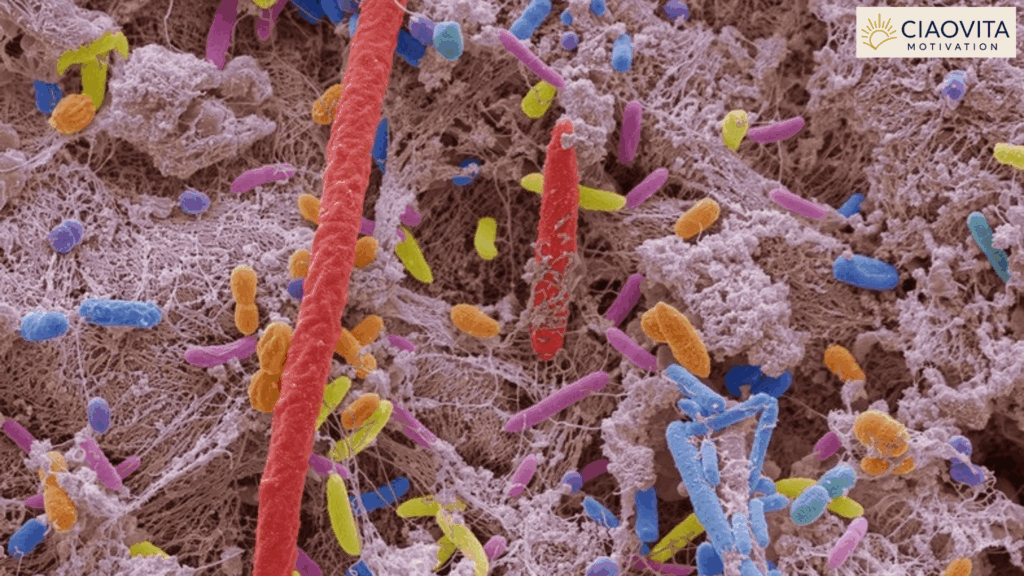
Your digestive system contains trillions of bacteria working silently every moment of your life. These microscopic organisms form your gut microbiome, a complex ecosystem that scientists once thought only affected digestion. Recent groundbreaking research reveals something far more surprising: the bacteria living in your gut directly influence your joint health. Multiple 2024 and 2025 systematic reviews have established a clear connection between gut microbiome and osteoarthritis, the most common form of joint disease affecting over 528 million people worldwide.
This discovery challenges everything doctors previously understood about osteoarthritis. For decades, medical professionals viewed joint deterioration as simple mechanical wear and tear, inevitable with aging or injury. The new science tells a different story. What happens in your digestive tract doesn’t stay there. Bacterial products travel through your bloodstream, reaching your joints where they either protect cartilage or accelerate its destruction. Understanding this gut joint axis opens powerful new strategies for prevention and management that go far beyond traditional approaches. Your dietary choices today shape your gut bacterial community, which in turn determines your joint health tomorrow.
Understanding the Gut Joint Axis
The concept of a gut joint axis represents one of medicine’s most fascinating recent discoveries. Your gut microbiome acts like an internal chemical factory, producing thousands of different compounds. Some promote health while others trigger inflammation. When this bacterial ecosystem remains balanced and diverse, it supports overall wellness. When imbalance occurs, a condition scientists call dysbiosis, problems cascade throughout your body, including your joints.
Research published in 2024 examined gut microbiome alterations in osteoarthritis patients versus healthy controls. The systematic review analyzed studies following PRISMA guidelines and found consistent patterns. Patients with knee osteoarthritis showed distinct microbial compositional changes. Their gut bacteria communities differed significantly from people with healthy joints. These weren’t random variations. Specific bacterial families appeared repeatedly in osteoarthritis patients across multiple independent studies conducted in different countries.
The connection works through several biological pathways. Certain gut bacteria produce inflammatory molecules called lipopolysaccharides (LPS). These LPS molecules are components of bacterial cell walls. In healthy individuals with intact gut barriers, LPS stays contained within the digestive tract. However, when gut permeability increases, often called leaky gut, these inflammatory compounds escape into your bloodstream. Once circulating systemically, LPS reaches distant tissues including your joints.
A groundbreaking 2016 study measured LPS levels in the blood and synovial fluid of knee osteoarthritis patients. The results proved striking. Higher LPS levels correlated directly with worse joint damage, more severe pain scores and increased activated immune cells within joint tissues. The researchers also found elevated lipopolysaccharide binding protein (LBP), which forms complexes with LPS to activate inflammatory pathways. This two hit theory explains how metabolic factors combine with mechanical stress to drive joint destruction.
Specific Bacteria That Influence Joint Health
Not all gut bacteria affect your joints equally. Research has identified specific bacterial species strongly associated with osteoarthritis development and progression. A 2019 Nature Communications study analyzed over 1,400 people, examining relationships between intestinal microbiome composition and joint pain. The findings revealed clear patterns. People with higher levels of Streptococcus species experienced worse pain and greater functional limitation from osteoarthritis. This bacterial genus represented approximately 20% of Firmicutes in affected patients.
Conversely, certain beneficial bacteria appear protective. Bifidobacterium species showed consistently lower abundance in osteoarthritis patients. Animal studies demonstrated that oral administration of Bifidobacterium longum significantly reduced cartilage damage and decreased biochemical markers of cartilage breakdown. The mechanisms involve both local gut effects and systemic inflammation reduction.
The balance between major bacterial groups also matters significantly. Scientists measure the Firmicutes to Bacteroidetes ratio as a key indicator of gut health. Multiple studies demonstrated that obesity and high fat high sugar diets increase this ratio dramatically. When rats consumed typical Western diets for several months, they developed not only weight gain but severe cartilage damage in their knees. The joint damage severity correlated directly with shifts in gut bacterial composition and elevated inflammatory markers in blood samples.
Researchers have also identified protective bacterial families. Studies show that Bacteroides species, particularly certain strains, may offer joint protective benefits. One fascinating discovery involves Bacteroides salyersiae, which efficiently degrades chondroitin sulfate and releases short chain fatty acids (SCFAs) plus chondroitin sulfate oligosaccharides. These metabolites possess anti inflammatory properties and may contribute to cartilage health through multiple pathways.
Dietary Influences on the Gut Joint Connection
Your daily food choices profoundly shape your gut microbiome composition, which in turn affects your joint health trajectory. Research into dietary patterns reveals clear connections. High fat high sugar diets, characteristic of typical Western eating, promote gut dysbiosis characterized by increased Firmicutes abundance, decreased Bacteroidetes populations and elevated gut permeability. These changes associate with increased systemic inflammation and accelerated osteoarthritis progression.
One of the most promising nutritional discoveries involves prebiotic fiber, particularly indigestible carbohydrates that beneficial gut bacteria consume. In controlled animal experiments, researchers fed mice high fat diets that typically cause severe osteoarthritis after joint injury. However, adding oligofructose, a prebiotic fiber, to the same high fat diet essentially prevented joint damage despite continued obesity.
This dramatic protection corresponded with significant gut microbiome changes. Prebiotic supplementation restored beneficial Bifidobacterium bacteria that high fat diets had depleted. It also eliminated pro inflammatory bacterial families that had expanded on the unhealthy diet. Another study combined prebiotic fiber with exercise, finding this combination provided maximum protection against obesity related osteoarthritis. The practical message is clear: increasing dietary fiber intake represents a simple accessible strategy for joint protection.
Common prebiotic food sources include onions, garlic, leeks, asparagus, bananas (slightly underripe), Jerusalem artichokes, chicory root, oats and whole grains. These foods nourish beneficial gut bacteria without requiring expensive supplements. The Mediterranean diet, naturally rich in prebiotic compounds, has shown benefits for joint health in multiple studies.
Research also examined probiotic interventions. Several trials tested whether introducing specific beneficial bacteria could protect joints. Results have been encouraging though more research is needed. In guinea pigs prone to naturally developing osteoarthritis, oral Bifidobacterium longum administration significantly reduced cartilage damage. Human studies, while limited, showed similar patterns. People with osteoarthritis who consumed specific probiotic strains reported improvements in pain and physical function scores.
The mechanisms appear to involve strengthening the intestinal barrier, preventing bacterial product leakage into circulation and modulating immune responses. Certain probiotic strains shift the body away from pro inflammatory states toward more balanced immune function. Quality matters greatly with probiotics. Choose products specifying strain names and guaranteeing live organisms at expiration dates.
Lipopolysaccharide: The Inflammatory Messenger
Understanding how LPS drives joint damage provides crucial insights into prevention strategies. Lipopolysaccharides are large molecules found in the outer membrane of gram negative bacteria. When these bacteria die or multiply, they release LPS. In healthy individuals with robust gut barriers, LPS remains contained. However, various factors can compromise intestinal integrity including high fat diets, chronic stress, certain medications and dysbiosis itself.
When LPS escapes into systemic circulation, it activates pattern recognition receptors on immune cells, particularly the TLR4 receptor complex. This activation triggers NF-κB and MAPK signaling pathways, leading to production of pro inflammatory cytokines including IL-1β, IL-6 and TNF-α. These cytokines promote cartilage degradation, activate matrix metalloproteinases (MMPs) and suppress cartilage repair mechanisms.
Research demonstrates that both systemic LPS levels and local LPS burden within joints associate with osteoarthritis severity. A 2016 study by Huang and colleagues found that serum LPS and LBP levels correlated with activated macrophages in joint tissues and worse osteophyte formation. The binding of LPS to the LBP-CD14-TLR4-MD2 complex represents a critical mechanism in osteoarthritis pathogenesis.
Interestingly, exercise appears to counteract some harmful effects of high fat diets on the gut joint axis. Animal studies showed that combining high fat feeding with regular physical activity partially reversed the gut dysbiosis patterns and reduced joint inflammation compared to sedentary animals on the same diet. Exercise itself positively influences gut microbiome diversity through multiple mechanisms including altered transit time, immune modulation and metabolic changes.
Short Chain Fatty Acids: The Protective Compounds
While LPS represents the harmful messenger from gut to joint, short chain fatty acids (SCFAs) function as protective signals. Beneficial gut bacteria produce SCFAs, primarily butyrate, propionate and acetate, through fermentation of dietary fiber. These small molecules possess powerful anti inflammatory and immunomodulatory properties throughout the body including in joint tissues.
Research demonstrates that SCFA supplementation or increased production ameliorates joint inflammation and protects cartilage. One study showed that Lactobacillus administration promoting butyrate production enhanced cartilage autophagy and reduced necroptosis in osteoarthritis models. SCFAs act through several mechanisms. They activate G protein coupled receptors, inhibit histone deacetylases and modulate immune cell differentiation favoring regulatory T cells over pro inflammatory phenotypes.
The practical application involves consuming adequate fiber to support SCFA producing bacteria. Current recommendations suggest 25 to 30 grams of dietary fiber daily from diverse whole food sources. Most Americans consume only about half this amount. Increasing intake gradually prevents digestive discomfort while allowing beneficial bacteria populations to expand. Fermented foods like yogurt, kefir, kimchi and sauerkraut provide both probiotics and compounds that enhance SCFA production.
Obesity and the Metabolic Osteoarthritis Phenotype
Obesity increases osteoarthritis risk dramatically, affecting both weight bearing joints like knees and non weight bearing joints like hands. This pattern indicates that systemic metabolic factors beyond mechanical loading drive joint damage. The gut microbiome provides a key piece of this puzzle. Obesity associates with specific microbiome patterns including reduced diversity, altered Firmicutes/Bacteroidetes ratios and increased gut permeability.
Research identifies a distinct metabolic osteoarthritis phenotype characterized by systemic inflammation, insulin resistance and dyslipidemia alongside joint symptoms. The gut joint axis plays a central role in this phenotype’s pathophysiology. Obesity associated gut dysbiosis promotes chronic low grade inflammation often called metabolic endotoxemia, elevated circulating LPS without active infection.
Studies using germ free mice demonstrated that gut bacteria actively contribute to obesity related joint damage. When researchers raised mice in completely sterile environments lacking any gut bacteria, these animals showed significantly less joint damage after injury compared to conventionally raised mice with normal microbiomes. Subsequent microbiome transplantation experiments confirmed these effects were transferable through bacterial communities.
Weight management through healthy eating and regular physical activity provides multiple benefits for joint health. Beyond reducing mechanical stress on weight bearing joints, lifestyle improvements positively reshape gut microbiome composition, decrease systemic inflammation and may slow or prevent osteoarthritis progression even in those already diagnosed.
Practical Steps for Joint Protection Through Gut Health
Understanding the gut joint connection translates into actionable strategies. Start by increasing dietary fiber gradually, aiming for 25 to 30 grams daily from whole food sources. Focus on diverse plant foods including vegetables, fruits, whole grains, legumes, nuts and seeds. This dietary pattern naturally supports beneficial bacteria while providing anti inflammatory compounds and essential nutrients.
Consider prebiotic rich foods specifically. Incorporate Jerusalem artichokes, chicory root, garlic, onions, leeks, asparagus and slightly underripe bananas. These provide concentrated prebiotic compounds that nourish Bifidobacterium and other protective bacteria. Cooking methods matter less for prebiotics since the fibers remain intact through most preparation.
Limit processed foods, added sugars and excessive saturated fats. These dietary components promote gut dysbiosis and systemic inflammation. You don’t need perfection, sustainable improvement beats temporary restriction. Shifting the balance toward whole foods makes meaningful differences over time. Small consistent changes accumulate into significant gut microbiome transformation within weeks to months.
Explore probiotic supplements cautiously. Choose products with well researched strains like Bifidobacterium longum or Lactobacillus species. Quality varies dramatically among brands. Look for products specifying exact strain names, guaranteeing live organisms at expiration and manufactured by reputable companies following good manufacturing practices. Refrigerated products often maintain better bacterial viability.
Maintain healthy weight through combined dietary improvements and regular physical activity. Exercise itself positively influences gut microbiome diversity through multiple mechanisms. The combination provides synergistic benefits for both gut and joint health. Even modest weight loss, 5 to 10% of body weight, significantly reduces joint stress and inflammation.
Consider fermented foods as part of your dietary pattern. Yogurt with live active cultures, kefir, traditional sauerkraut, kimchi and kombucha provide beneficial bacteria plus bioactive compounds that support gut health. Start with small portions if unaccustomed to fermented foods, allowing your digestive system to adapt gradually.
Conclusion: Your Gut Joint Partnership
The research connecting gut microbiome and osteoarthritis represents a paradigm shift in understanding joint disease. Your digestive system and joints communicate constantly through complex biological pathways mediated by bacterial metabolites, immune signaling and systemic inflammation. The bacterial communities in your gut produce substances that either protect cartilage or accelerate its destruction.
This knowledge provides both hope and practical direction. Simple dietary changes can shift your microbiome composition toward healthier balance. Increasing fiber intake, reducing processed foods and potentially using targeted probiotics represent accessible interventions supported by growing scientific evidence. While this approach might not cure established severe osteoarthritis, evidence suggests it could slow progression, reduce symptoms and improve overall wellbeing.
If you have osteoarthritis or want to prevent it, consider gut health as integral to your joint health strategy. Work with healthcare providers who understand this connection. Be patient with changes, microbiome shifts require weeks to months to stabilize and show clinical benefits. Monitor your progress through symptom tracking rather than expecting immediate dramatic improvements.
Your joints and gut function as partners in health. Nurture one and you support the other. This holistic evidence based approach recognizes that knee pain or hip stiffness might originate partly from bacterial imbalances hundreds of miles away in your intestines. Start today by making one small sustainable change. Add an extra serving of vegetables, try a new fiber rich food or incorporate a fermented option. Your gut bacteria will respond, and your joints might thank you with reduced pain and improved function for years to come.
© 2025 Alice & Marcus Guimarães. All rights reserved.This site is proudly created with WordPress.