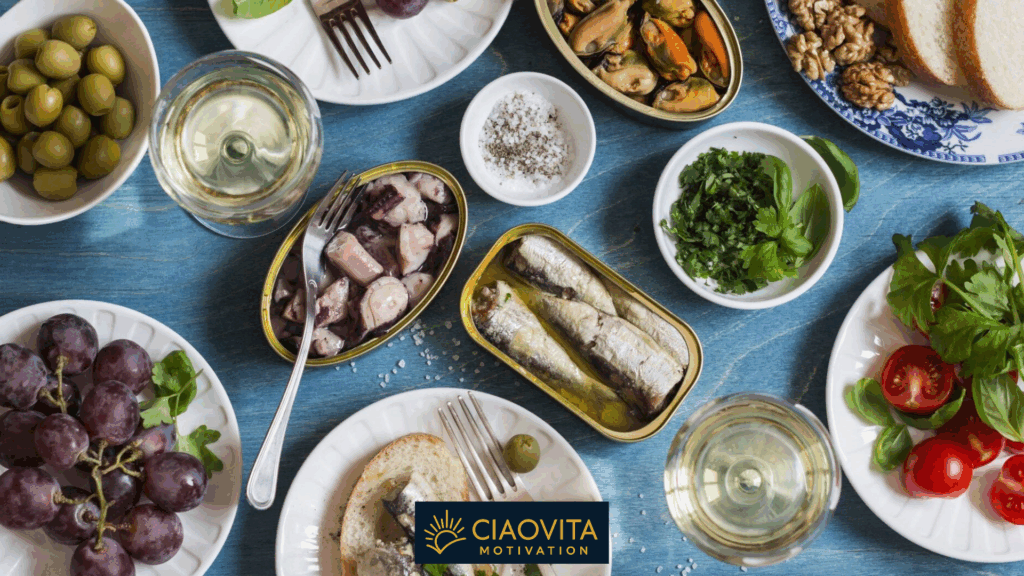
Mediterranean Diet: Your Powerful Gut Health Secret.
How Ancient Eating Transforms Modern Wellness
Your gut contains a hidden universe. Trillions of microscopic organisms live inside your intestines right now. Scientists estimate you carry roughly the same number of bacterial cells as human cells in your entire body. These tiny residents perform essential jobs every single day. They help digest food your body cannot break down alone. They produce vitamins. They regulate your immune system. They protect against harmful invaders.
What you eat directly shapes these microbial communities. The Mediterranean Diet stands out as one of the most powerful dietary approaches for cultivating beneficial gut bacteria. This traditional eating pattern from countries around the Mediterranean Sea emphasizes whole plant foods, healthy fats from olive oil, moderate amounts of fish and limited red meat.
Research reveals that this way of eating creates an optimal environment for helpful bacteria while reducing inflammation throughout your body. The connection between what you eat and the bacteria living inside you goes deeper than most people realize. Your dietary choices can shift your gut microbiota composition within just a few days.
Understanding Your Inner Ecosystem
The term microbiota refers to all the microorganisms living in and on your body. Your gut contains the largest and most diverse microbial community. Bacteria make up about ninety percent of these organisms. Your intestines house roughly 1000 identified species, though scientists believe many more remain undiscovered.
These microscopic inhabitants perform functions you absolutely need for survival. When you eat dietary fiber, your digestive enzymes cannot break it down. Your gut bacteria step in. They ferment this fiber and produce compounds called short-chain fatty acids. These include acetate, propionate and butyrate. These fatty acids serve as energy sources for your intestinal cells. They also act as powerful signaling molecules that reduce inflammation.
Your gut bacteria metabolize amino acids like tryptophan. This process influences production of serotonin and melatonin, affecting your mood and sleep patterns. These bacteria synthesize B vitamins and vitamin K. They break down polyphenols from plant foods. They regulate bile acid metabolism. All these processes directly impact your immune function and overall health.
Researchers have identified thousands of bacterial species in the human gut. The two most abundant groups are Firmicutes and Bacteroidetes. Together they comprise over eighty percent of gut bacteria. Other important groups include Actinobacteria, which contains beneficial Bifidobacterium species and Proteobacteria. The balance between these different bacterial families matters significantly for your health.
Health professionals use the term eubiosis to describe a balanced, healthy gut microbiota. In this state, beneficial bacteria keep potentially harmful ones in check while performing vital functions. Dysbiosis represents the opposite situation where this beneficial balance gets disrupted. Common signs include reduced microbial diversity, altered ratios between major bacterial groups and overgrowth of potentially harmful species.
Dysbiosis associates with numerous health problems. These include obesity, type 2 diabetes, cardiovascular disease, inflammatory bowel disease and autoimmune conditions. Diet represents the single most powerful factor influencing whether you maintain eubiosis or develop dysbiosis.
How Mediterranean Diet Benefits Your Gut
The Mediterranean Diet consistently demonstrates benefits for establishing and maintaining a healthy gut microbiota. This eating pattern provides abundant beneficial components. These include healthy fats from olive oil and fish, polyphenols from colorful plant foods, dietary fiber from whole grains and legumes and essential vitamins and minerals from diverse whole food sources.
Studies show that following this diet increases beneficial bacteria like Lactobacillus, Bifidobacterium and various Clostridium species. At the same time, it decreases potentially harmful Proteobacteria. The diet promotes production of short-chain fatty acids that strengthen your intestinal barrier, reduce inflammation and support immune regulation. Research demonstrates it helps maintain a favorable Firmicutes to Bacteroidetes ratio and increases overall microbial diversity. Both serve as markers of a healthy gut.
Think of your gut bacteria as a garden. The Mediterranean Diet provides the perfect soil, water and nutrients for beneficial plants to thrive. Meanwhile, it creates conditions that discourage weeds from taking over. This happens through several key mechanisms working together.
The Power of Healthy Fats
Extra virgin olive oil forms the cornerstone of Mediterranean eating. This oil contains seventy to eighty-five percent monounsaturated fats, primarily oleic acid. It also provides beneficial compounds like polyphenols, carotenoids and tocopherols. Studies show that consuming olive oil increases populations of lactic acid bacteria including Bifidobacterium and Lactobacillus species.
These beneficial bacteria produce compounds that reduce inflammatory markers. These markers include IL-6, IL-17A, TNF-alpha and IL-1 beta. The bacteria also promote butyrate production. Butyrate serves as the preferred energy source for colonocytes, the cells lining your colon. This compound exhibits powerful anti-inflammatory and protective effects.
Omega-3 fatty acids found abundantly in fatty fish, walnuts and flaxseeds also positively influence gut bacteria. Research demonstrates that omega-3 consumption balances the Firmicutes to Bacteroidetes ratio. It increases beneficial bacteria from the Lachnospiraceae and Bifidobacteria families. It limits growth of LPS-producing Enterobacteria.
LPS stands for lipopolysaccharide. This component of certain bacterial cell walls triggers inflammation when it enters your bloodstream. By limiting bacteria that produce LPS, omega-3 fats help maintain a calmer inflammatory state throughout your body.
The Mediterranean Diet maintains a favorable omega-6 to omega-3 ratio of approximately 2:1 to 1:1. Compare this to Western diets, which often exceed 15:1. This balance maximizes the anti-inflammatory benefits of these essential fatty acids.
When you drizzle olive oil on your salad or enjoy a piece of grilled salmon, you feed bacteria that actively work to reduce inflammation in your body. This happens day after day, meal after meal. The cumulative effect becomes substantial over time.
Polyphenols Feed Beneficial Bacteria
The Mediterranean Diet provides exceptional amounts of polyphenols. These plant compounds come from fruits, vegetables, whole grains, legumes, nuts, olive oil and red wine. They exhibit antioxidant and anti-inflammatory properties. They also serve as prebiotics that selectively promote beneficial bacterial growth.
Three particularly important polyphenols in this diet include hydroxytyrosol from olive oil, resveratrol from red grapes and quercetin from onions, apples and citrus fruits.
Hydroxytyrosol demonstrates powerful anti-inflammatory and antioxidant effects. Research shows it decreases oxidized LDL cholesterol and triglycerides. It reduces expression of oxidative stress genes. Studies in mice fed high-fat diets found that hydroxytyrosol reversed inflammatory markers and inhibited activation of inflammatory pathways. It promoted intestinal integrity. The compound also increases Bifidobacteria populations, which contribute to its anti-inflammatory effects.
Resveratrol acts as a potent antioxidant and anti-inflammatory agent. Gut bacteria partially transform this compound into derivatives. Both resveratrol itself and its metabolites activate protective pathways that reduce oxidative damage and inflammation. Research in mice shows resveratrol decreases the Firmicutes to Bacteroidetes ratio. It prevents expansion of harmful Enterococcus faecalis. It promotes growth of Lactobacillus and Bifidobacterium species.
Quercetin possesses multiple beneficial effects. These include anti-cancer, anti-inflammatory, antiviral and anti-platelet-aggregation activities. Studies demonstrate quercetin inhibits production of inflammatory compounds. Research in mice with colitis found that quercetin supplementation increased microbial diversity. It promoted expansion of beneficial bacteria including Bacteroides, Bifidobacterium, Lactobacillus and Clostridia. It reduced Enterococcus populations.
When you eat a colorful Mediterranean salad with tomatoes, onions and peppers, dressed with olive oil, you deliver a powerful package of polyphenols to your gut bacteria. These compounds act like specialized fertilizer, encouraging the growth of bacteria that protect your health.
Dietary Fiber Fuels Your Microbiome
Dietary fiber represents one of the most important components of the Mediterranean Diet for gut health. Fiber consists of complex carbohydrates that your digestive enzymes cannot break down. Your gut bacteria can ferment these compounds. This fermentation produces short-chain fatty acids and other beneficial substances.
The Mediterranean Diet provides abundant fiber from whole grains, legumes, vegetables and fruits. Higher fiber intake correlates with lower blood pressure, reduced cardiovascular disease risk, decreased type 2 diabetes risk and lower rates of certain cancers, especially colorectal cancer.
Fiber primarily benefits health by stimulating growth of beneficial bacteria like Bifidobacteria and Lactobacilli. It increases their metabolic activity. This strengthens the intestinal barrier and supports gut-associated lymphoid tissue, the immune cells concentrated throughout your intestines.
Dietary fiber divides into two main types with different properties. Insoluble fiber predominates in cereals. It adds bulk to stool with a laxative effect. Soluble fiber found in fruits ferments more easily. It effectively lowers cholesterol but does not reduce type 2 diabetes risk as much as insoluble fiber. Both types benefit health. The Mediterranean Diet provides generous amounts of each.
Beta-glucans represent the principal soluble fiber found in oat grain, barley and wheat. Research suggests beta-glucans increase satiety and help control body weight. Studies describe their interactions with immune cell receptors. These interactions induce dendritic cell maturation and activate macrophages. This triggers cytokine production and T and B cell activation. Beta-glucans also demonstrate antioxidant properties by reducing oxidative stress.
The Mediterranean Diet includes microbiota-accessible carbohydrates. These complex carbohydrates appear in fruits, vegetables, legumes and whole grains. They can alter gut microbiota and promote the growth of species that produce short-chain fatty acids like butyrate. These fatty acids may contribute to reduced malignancies, including colorectal cancer, and improved cardiometabolic health.
When you eat a bowl of lentil soup with vegetables and whole grain bread, you provide your gut bacteria with exactly the fuel they need to produce compounds that protect your colon, improve your insulin sensitivity and reduce your diabetes risk.
Essential Vitamins and Minerals
The Mediterranean Diet excels at providing essential micronutrients that both gut bacteria and the immune system require. The plant-based emphasis on vegetables, fruits and cereals delivers an abundance of minerals like magnesium and calcium, along with crucial vitamins.
Vitamin A and vitamin D play fundamental roles in immune function and intestinal homeostasis. They do this by modulating gut microbiota and strengthening barrier function. Both vitamins interact with host receptors to regulate tight junction expression. These are the connections between intestinal cells. They suppress inflammatory signaling molecules while inducing regulatory T cells that promote immune tolerance.
Deficiency in these vitamins leads to increased Proteobacteria, decreased Bacteroidetes and reduced expression of tight junction proteins. Vitamin A, found in carrots, peppers, pumpkin and spinach, demonstrates extensive immunomodulatory effects. Short-chain fatty acids, particularly acetate from beneficial bacteria, stimulate dendritic cells to convert vitamin A into retinoic acid. This promotes regulatory T cell production and anti-inflammatory effects.
Vitamin D, found in fatty fish like salmon, tuna and mackerel, plus cheese and egg yolk, acts as a promising immune modulator. The active form interacts with vitamin D receptors expressed in B cells, T cells and other immune cells. Vitamin D influences gut microbiota composition. Bacterial metabolites regulate vitamin D and its receptor at multiple levels. This bidirectional interaction promotes dendritic cell activity and regulatory T cell maturation. It reduces pro-inflammatory cytokine release.
Vitamin D also stimulates optimal production of antimicrobial defensins by Paneth cells. These specialized cells in your intestine produce compounds that help control bacterial populations. Deficiency combined with high-fat diet consumption leads to specific defensin reduction, decreased tight junction expression, increased gut permeability, dysbiosis, endotoxemia, systemic inflammation, fatty liver and insulin resistance.
The B vitamin group serves as enzyme cofactors. These water-soluble vitamins cannot be synthesized by mammals. They must come from diet or gut bacteria production. Not all gut bacteria produce B vitamins. Many depend on dietary sources. The Mediterranean Diet provides abundant B vitamins from whole grains, legumes, fish, dairy products, eggs, meat and leafy greens.
Trace elements like zinc and selenium also play crucial roles. Zinc represents nearly ten percent of the human proteome. It strongly influences immune function. Found in oysters, beef, crab, lobster, pork, beans and chicken, zinc signaling controls proliferation, differentiation, survival and migration of immune cells. Deficiencies decrease numbers of innate and adaptive immune cells.
When you eat a Mediterranean meal with grilled fish, a big salad with colorful vegetables and a side of white beans, you deliver a comprehensive package of micronutrients. These support both your gut bacteria and your immune cells simultaneously.
What Western Diets Do Wrong
Understanding how the Mediterranean Diet helps your gut becomes clearer when you see what Western dietary patterns do wrong. The Western diet features high consumption of refined grains, added sugars, unhealthy fats, salt, processed meats and ultra-processed foods. It provides minimal fruits, vegetables and whole grains. This pattern critically alters both gut microbiota and immune function.
Added sugars present in ultra-processed foods, sweetened beverages, honey and fruit juices represent empty calories that often replace more nutritious components. Excessive fructose consumption through refined sugars associates with systemic inflammation, cortisol hyperactivation, increased visceral fat and insulin resistance.
Research shows that consuming added sugars and sugar-sweetened drinks promotes an increased Firmicutes to Bacteroidetes ratio. It reduces favorable butyrate-producing bacteria like Lachnobacterium. Added sugars also provoke increased gut permeability and endotoxemia. This leads to inflammation and systemic complications.
High-fat diets typical of Western patterns negatively impact gut health. Research in mice fed high-fat diets found altered microbial composition with elevated Firmicutes to Bacteroidetes ratios. These diets reduced antimicrobial Paneth cell activity and increased pro-inflammatory cytokines. They caused bacterial translocation leading to endotoxemia.
While saturated fats can fit into healthy diets in moderation, trans fats predominantly in ultra-processed foods represent genuinely harmful fats. Trans fatty acids promote gut dysbiosis, particularly affecting bile acid-producing bacteria. Unhealthy fats disrupt gut function and promote intestinal permeability and inflammation. They mainly affect critical gut bacteria populations and increase LPS levels.
Red meat and processed meats associate with various pathological conditions when consumed excessively, especially regarding colorectal cancer risk. These meats contain high levels of L-carnitine, choline, betaine and lecithin. Gut bacteria convert these into trimethylamine. The liver then transforms this into trimethylamine N-oxide, which associates with inflammatory pathways and cardiovascular disease risk.
Although recommended salt intake stands at five grams per day, evidence demonstrates that reduced consumption benefits health even more. Ultra-processed foods contribute significantly to salt overconsumption, promoting hypertension and cardiovascular disease. Research shows high salt intake directly affects the gut microbiota. It particularly reduces Lactobacillus species populations.
Food additives represent another critical element of Western dietary patterns and ultra-processed foods. The most studied additives include artificial sweeteners and sugar alcohols. Low or non-caloric sweeteners like sucralose associate with gut permeability, inflammation and gut microbiota changes even at low doses. They reduce beneficial bacteria like Lactobacillus and Bifidobacteria while increasing pathogenic bacteria.
Research comparing Mediterranean versus fast food diets found that even over just four days, critical gut microbiota changes occurred. Fast food increased bile acid-tolerant bacteria while decreasing short-chain fatty acid producers. The poor food matrix of ultra-processed products combined with reduced fiber content generates an unfavorable gut environment and microbiome. This leads to dysbiosis and immune alterations.
Making Mediterranean Diet Work for You
You can start incorporating Mediterranean principles today by making simple swaps. Replace refined oils with extra virgin olive oil for cooking and dressing salads. Choose whole grains like brown rice, quinoa and whole wheat pasta instead of white versions. Add more colorful vegetables and fruits to every meal. Include fatty fish like salmon or sardines twice weekly. Snack on nuts instead of chips or cookies. Season foods with herbs and spices rather than excessive salt. Enjoy legumes like lentils, chickpeas and beans regularly.
These dietary changes work synergistically. The healthy fats help your body absorb fat-soluble vitamins and polyphenols. The fiber feeds beneficial bacteria that produce anti-inflammatory compounds. The diverse plant foods provide a spectrum of polyphenols that selectively promote helpful bacterial species. Together, these components create an optimal environment for a thriving, health-promoting gut microbiome.
Your gut microbiota responds quickly to dietary changes. Research shows significant shifts can occur within just days of altering your eating pattern. However, sustained benefits require long-term adherence. The Mediterranean Diet represents not a temporary eating plan but a lifestyle approach rooted in centuries of traditional eating patterns that naturally support human health.
Diet plays a key role in the regulation of gut microbiota. It serves as an important contributor to the establishment and maintenance of eubiosis versus dysbiosis. Accordingly, the status of our gut microbiota influences our positioning on the health and disease spectrum. Studies show that almost sixty percent of the total structure of gut microbiota can be rapidly modified in response to dietary changes.
Most studies reveal that adoption of the Mediterranean Diet associates with gut microbiota that differs from those associated with Western-type diets. This eating pattern increases biodiversity of gut microbiota, which scientists know favors health. Beyond increased biodiversity, studies show variable effects on individual species and genera within gut microbiota.
While the Western diet associates with high levels of Bacteroides in gut microbiota, the Mediterranean Diet associates with the genus Prevotella and with higher levels of Faecalibacterium prausnitzii. In one study in patients with Metabolic Syndrome, this diet associated with a reduction in dysbiosis and an increase in the Bifidobacterium.
Real Health Benefits You Can Expect
The health benefits of the Mediterranean Diet have been reviewed extensively in medical literature. This eating pattern appears to be associated with a reduction in the overall risk of developing chronic disease and increased longevity. Evidence shows benefits for diabetes mellitus, obesity, metabolic syndrome, malignancy, cardiovascular disease and cognitive function.
Prospective studies reveal that adherence to this diet inversely associates with risk for development of diabetes. In a meta-analysis including studies in both Mediterranean and non-Mediterranean populations, there was a thirteen percent reduction in the risk of developing type 2 diabetes in those who followed this eating pattern. In one trial, there was a thirty percent reduction in the risk of developing type 2 diabetes in participants randomized to this diet versus the control group.
Regarding obesity, in one study on over 373,000 participants followed up for a median of five years, those with high adherence lost a very modest amount of body weight but had a ten percent reduced risk of developing obesity or overweight compared with participants who had low adherence. Further evidence from a meta-analysis that included 18 randomized controlled trials revealed that compared with control diets, this eating pattern associated with greater reductions in visceral fat and waist circumference, primarily when diets were restricted in energy intake.
In a meta-analysis that included over 33,800 prospectively observed individuals, there was a nineteen percent reduction in the risk of developing metabolic syndrome for those with greater adherence. This included inverse associations with waist circumference and blood pressure. Regarding cardiovascular disease, data from a prospective cohort observation with follow-up for 20 years on over 74,800 women revealed that greater adherence associated with twenty-nine percent reduction in risk for coronary heart disease and thirteen percent reduction in risk for stroke.
Perhaps the most convincing evidence stems from a recently reported study in which patients with established coronary heart disease were randomly assigned to either this eating pattern or a low-fat diet, with a seven-year follow-up period. Compared with the low-fat diet, those assigned to the Mediterranean approach had a thirty-three percent relative risk reduction for the primary endpoint, a composite of major cardiovascular events.
In a meta-analysis of 29 prospective observational studies in over 1.67 million participants, there was an overall ten percent reduction in all-cause mortality for every two-point increase in adherence to this dietary pattern. The case for a positive effect on longevity strengthens through observation from multiple studies that adherence associates with longer telomere length. This suggests that ingestion of this diet may slow the biological aging process.
Published meta-analyses suggest associations between greater adherence and better episodic memory and global cognition, and with reduced risk of developing neurodegenerative diseases and cognitive decline. In one meta-analysis of 31 longitudinal studies with four to twenty-six years follow-up, greater adherence associated with reduced cognitive decline.
Your Path Forward
The Mediterranean Diet offers a scientifically supported approach to optimizing your gut microbiota and immune function. The overwhelming evidence supports the health-promoting effects regardless of the mediating mechanisms. An obvious question arises. Why do we not all adopt this way of eating?
Some reasons may relate to food culture. Over millennia, this diet has become deeply entrained in populations from Mediterranean countries. It complements the Mediterranean lifestyle and climate. For people from non-Mediterranean populations, cultural hurdles exist. Many people may struggle with the palatability of ingesting large amounts of fruit, vegetables and olive oil each day. For some, the large fiber content may cause gastrointestinal side effects including abdominal bloating and flatulence that would prevent effective adherence.
Multiple intervention studies reveal that compared with populations from Mediterranean countries, those from non-Mediterranean countries have reduced compliance with and metabolic benefits from adoption of this dietary pattern. The cost of adhering may be prohibitive for some people during the current global cost-of-living crisis. Highly processed foods that are depleted of fiber and represent the antithesis of this approach remain a cheaper option compared with healthy diets with foods cooked from raw ingredients.
Despite these challenges, the evidence remains compelling. In addition to health-promoting and life-prolonging effects, widespread adoption would have significant environmental benefits. Overall, food production accounts for up to thirty percent of global greenhouse gas emissions and seventy percent of freshwater usage. However, substantial variations exist in the environmental footprint of individual food items. Plant foods have the lowest greenhouse gas emissions, even when processing and transportation factors are considered.
A further environmental benefit comes from encouragement of growth of a wide range of crops, including wild species, thereby encouraging biodiversity and optimized ecosystems. Given the potentially huge impact on greenhouse gas emissions and freshwater usage from responsible production of this diet and its endorsement by experts in the field, the environmental arguments for widespread adoption become hard to ignore.
Start small if the full Mediterranean approach seems overwhelming. Add one serving of vegetables to your lunch. Switch from butter to olive oil. Choose whole grain bread instead of white. Eat fish once this week. Snack on a handful of almonds. Each small change moves you closer to a healthier gut microbiome.
Remember that your gut bacteria respond quickly. Within days of making dietary changes, shifts begin to occur in your microbial community. These changes accumulate over time. The bacteria you feed today shape the gut environment of tomorrow. By choosing Mediterranean foods, you feed bacteria that reduce inflammation, strengthen your intestinal barrier, support your immune system and protect against chronic disease.
The relationship between diet and gut health operates as a two-way street. Your food choices shape your gut bacteria. Your gut bacteria then influence how your body responds to food. They affect nutrient absorption, vitamin production, immune function and even mood regulation through the gut-brain axis. This intricate dance between what you eat and the microscopic life inside you ultimately determines much about your overall health and wellbeing.
Consider the Mediterranean Diet not as a restrictive eating plan but as a template for nourishment. Focus on abundance rather than deprivation. Emphasize adding beneficial foods rather than eliminating favorite ones. Gradually shift your eating pattern toward more plant foods, healthy fats, whole grains and modest amounts of fish. Your gut bacteria will respond. Your body will thank you. Your long-term health will benefit.
References
1- García-Montero C, Fraile-Martínez O, Gómez-Lahoz AM, et al. Nutritional Components in Western Diet Versus Mediterranean Diet at the Gut Microbiota–Immune System Interplay. Implications for Health and Disease. Nutrients. 2021;13(2):699.
2- Barber TM, Kabisch S, Pfeiffer AFH, Weickert MO. The Effects of the Mediterranean Diet on Health and Gut Microbiota. Nutrients. 2023;15:2150.
© 2025 Alice & Marcus Guimarães. All rights reserved.This site is proudly created with WordPress.