Mediterranean Diet and Cellular Aging Secrets
How This Ancient Eating Pattern Protects Your DNA and Extends Your Life
The Mediterranean Diet represents far more than a healthy eating pattern. Recent 2024 research reveals this ancient approach influences how your cells age at the molecular level. Scientists studying over 679,000 participants discovered something remarkable: high adherence to this eating pattern reduces all-cause mortality risk by 23%.
The global population continues aging rapidly. By 2050, people over 60 will represent double their current percentage worldwide. This demographic shift raises a critical question: how do we not just live longer but maintain quality of life throughout those years? The answer increasingly points to cellular protection through nutrition. Understanding how the Mediterranean Diet affects your body at the molecular level provides practical strategies for healthy aging you can implement today.
Understanding the Nine Hallmarks of Cellular Aging
Scientists identified nine distinct biological processes that characterize aging. These hallmarks include genomic instability, telomere attrition, epigenetic alterations, loss of proteostasis, deregulated nutrient sensing, mitochondrial dysfunction, cellular senescence, stem cell exhaustion and altered intercellular communication. Each process contributes to age-related diseases including cancer, heart disease, diabetes and neurodegeneration.
What makes the Mediterranean Diet remarkable is its simultaneous influence on multiple hallmarks. A comprehensive 2021 review in the European Journal of Clinical Nutrition analyzed how this eating pattern affects each aging mechanism. The research demonstrates that dietary choices represent powerful tools for modulating cellular processes that determine your health trajectory.
External factors, particularly nutrition, significantly influence these biological processes. The Mediterranean Diet affects multiple hallmarks simultaneously through its unique combination of bioactive compounds, healthy fats and anti-inflammatory properties.
The Mediterranean Diet Foundation
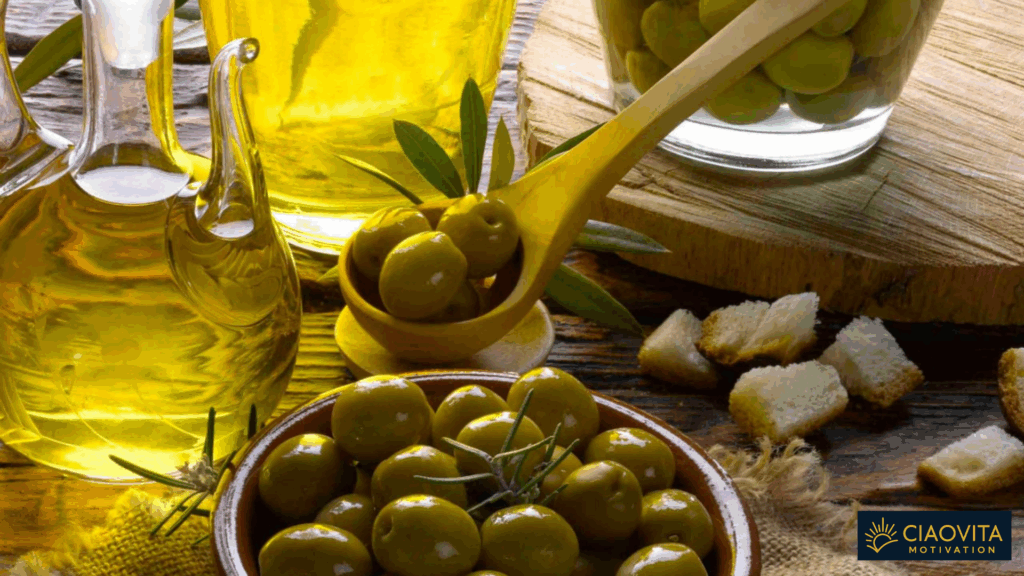
This eating pattern centers on extra virgin olive oil as the primary fat source. You consume abundant plant foods including vegetables, fruits, legumes, whole grains, nuts and seeds. The diet emphasizes fresh, seasonal and minimally processed ingredients. Moderate amounts of fish, poultry and dairy products complement plant foods. Red meat and sweets appear only occasionally. Wine consumption remains moderate and typically occurs with meals.
The nutritional profile provides less than 30% of calories from fat, with saturated fats staying under 10%. The unique combination includes monounsaturated fatty acids mainly from olive oil, omega-3 polyunsaturated fatty acids from fish, vitamins, minerals, polyphenols, fiber and nitrates. Research published in Nutrients demonstrates these components work individually and synergistically to promote health at the cellular level through hormetic mechanisms.
Telomeres: Your Cellular Clock Protection
Telomeres function as protective caps on chromosome ends. These DNA sequences shorten with each cell division throughout your lifetime. Critically short telomeres trigger cellular senescence and associate with increased disease risk and decreased life expectancy. Scientists consider telomere length a reliable biomarker of biological aging.
A 2024 narrative review in Nutrients examined how each Mediterranean Diet component affects telomere dynamics. The research analyzed cross-sectional studies, observational trials and randomized controlled trials. Results demonstrate that polyphenols, vitamins, minerals and fatty acids maintain telomere homeostasis by inhibiting inflammatory responses, DNA damage, oxidative stress and mitochondrial dysfunction while inducing telomerase activation.
A systematic review and meta-analysis published in Advances in Nutrition analyzed the association between Mediterranean Diet adherence and telomere length in blood cells. The study demonstrated that higher adherence correlates with longer telomeres and greater telomerase activity. Women following this eating pattern showed significantly longer telomere length compared to those with low adherence. The protective effect appears particularly strong in individuals consuming high amounts of nuts and extra virgin olive oil.
Epigenetic Effects: Changing How Genes Function
Epigenetics represents one of the most fascinating aspects of how the Mediterranean Diet influences aging. These modifications change how genes function without altering DNA sequence itself. DNA methylation serves as one of the best-known epigenetic markers. Scientists use methylation patterns to calculate biological age, which can differ substantially from chronological age.
A specific repetitive DNA sequence called LINE-1 works as a marker for global methylation levels. LINE-1 typically becomes less methylated with aging. This hypomethylation associates with multiple cancers and cardiovascular disease. Several studies link Mediterranean Diet adherence to healthier LINE-1 methylation patterns. Women with low adherence, particularly those eating less fruit, show higher risk of LINE-1 hypomethylation.
The diet also affects microRNA expression. These small RNA molecules help control gene expression. Following the Mediterranean Diet decreases expression of miR-155-3p, which promotes cancer when overexpressed, while increasing let-7b-3p, which shows antitumor effects. Understanding epigenetic aging and environmental exposures helps explain these protective mechanisms.
Mitochondrial Function: Powering Your Cells
Mitochondria produce most energy your cells need to function. Much oxygen metabolism happens in the mitochondrial electron transport chain. This process generates reactive oxygen species that can damage mitochondria themselves. With aging, mitochondrial efficiency declines, producing less energy and more damaging byproducts.
Mediterranean Diet components, including polyphenols, plant compounds and polyunsaturated fatty acids, correct mitochondrial dysfunction and improve metabolism. The landmark PREDIMED study demonstrated clear cardiometabolic benefits from this eating pattern. Olive oil favorably affects mitochondrial structure and function.
Monounsaturated fatty acid-rich olive oil helps adapt mitochondrial membrane composition to resist oxidative damage and age-related dysfunction. Studies comparing rats fed olive oil versus sunflower oil found those eating more olive oil had more monounsaturated fatty acids in mitochondrial membranes and less oxidative damage in body tissues. Hydroxytyrosol and oleuropein from olive oil reduce oxidative stress and optimize mitochondrial function.
The Gut Microbiome Connection
Your gastrointestinal tract hosts trillions of microorganisms including bacteria, viruses, fungi and protozoa. This gut microbiome comprises over 52 different phyla and up to 35,000 bacterial species. Microbiota composition changes throughout life. After age 65, Firmicutes and Bifidobacterium decrease while Clostridium diversity increases.
Diet represents one of the strongest influences on microbiota composition. A 2024 systematic review in BMC Medical Genomics analyzed 37 studies examining Mediterranean Diet effects on gut bacteria. The research included 17 observational and 20 interventional studies. Results demonstrate this eating pattern promotes beneficial effects on gut bacteria, favoring microbial diversity particularly in the colon.
The review found that Faecalibacterium and Prevotella were the most frequent bacterial genera with increased abundance in both observational and interventional studies. An increment of Bacteroides genus also appeared in observational studies. These changes correlate with improved cardiometabolic health markers. The connection between gut microbiome and healthy aging represents a fundamental mechanism of dietary influence.
Mediterranean Diet polyphenols reach the gut microbiota and modify bacterial populations and their metabolism. Fiber content, twice that of Western diets, benefits the cardiovascular system partly through microbiota changes. Fiber increases beneficial bacteria, inhibits pathogen growth and reduces cholesterol. High fiber intake promotes gut bacteria that produce short-chain fatty acids including acetate, butyrate and propionate.
Butyrate serves as the main energy source for colon cells and helps prevent colorectal cancer through multiple mechanisms. It regulates genes involved in cell death and proliferation, acts as a signaling molecule, induces regulatory immune cells and maintains the intestinal barrier to prevent inflammation.
Inflammation and Cellular Communication
Cellular coordination requires intercellular communication through soluble molecules including cytokines, chemokines, growth factors and neurotransmitters. Multiple communication pathways undergo alterations during aging. Elderly individuals present a low-grade systemic inflammatory phenomenon that favors age-associated chronic diseases and increases mortality risk.
The Mediterranean Diet demonstrates anti-inflammatory effects regarding markers like interleukin-6 and tumor necrosis factor-alpha. Multiple olive oil polyphenols provide health-promoting properties. Hydroxytyrosol suppresses inflammatory enzyme expression and reduces important inflammatory mediators in humans. Oleocanthal and oleuropein inhibit inflammation through pathways shared with ibuprofen.
Atherosclerosis, an inflammatory disease linked to endothelial dysfunction, responds to olive oil polyphenols. These compounds slow expression of pro-atherosclerotic molecules through NF-κB inactivation in endothelial cells. Breakfasts rich in virgin olive oil favorably regulate pathophysiological mechanisms of premature atherosclerosis and promote less harmful inflammatory profiles.
Molecular Mechanisms and Pathways
A 2024 scoping review in Nutrients examined molecular mechanisms through which the Mediterranean Diet promotes healthy aging. The research focused on how this eating pattern modulates mTORC1, AMPK and insulin signaling pathways. These molecular mechanisms control cellular repair, inflammation and metabolic regulation.
The mammalian target of rapamycin (mTOR) represents a serine/threonine kinase that regulates growth, proliferation and cell survival in response to hormones, growth factors and nutrient availability. The Mediterranean Diet influences mTOR signaling through specific nutrients and bioactive compounds. This modulation promotes cellular stress resistance and longevity pathways.
AMPK functions as a cellular energy sensor activated during low energy states. Mediterranean Diet components including polyphenols activate AMPK, promoting metabolic efficiency and cellular cleanup processes. This activation contributes to improved glucose metabolism and reduced inflammation throughout the body.
Mortality Reduction: The Ultimate Evidence
A 2024 systematic review and meta-analysis published in Nutrients examined Mediterranean Diet effects in older adults. The study searched PubMed database up to May 2023, including randomized controlled trials and cohort studies in populations with mean age over 60 years. The analysis included 28 studies reporting 679,259 participants from different continents.
Results showed high adherence to the Mediterranean Diet reduces all-cause mortality risk by 23%. The eating pattern decreases cardiovascular event risk by 19%. Even in the oldest old (those over 70), protective effects persist. The study demonstrated an 18% reduction in all-cause mortality risk among people over 70 with higher dietary adherence.
Another 2024 cohort study in JAMA Network Open followed 25,315 women for 25 years. Higher adherence to the Mediterranean Diet associated with a 23% reduced risk of all-cause mortality. Biomarkers of inflammation, triglyceride-rich lipoproteins, insulin resistance and body mass index contributed most to explaining this lower risk. The research identified specific biological mechanisms underlying mortality benefits.
Proteostasis: Maintaining Protein Quality
Proteostasis refers to maintaining proper protein concentration, folding and interactions from synthesis to degradation. Cells use chaperone proteins and two cleanup systems to maintain this balance. Progressive loss of protein homeostasis occurs with aging. This becomes particularly relevant for neurodegenerative diseases like Alzheimer’s and Parkinson’s, which involve protein misfolding and aggregation.
Mediterranean Diet polyphenols like resveratrol directly activate autophagy, your cellular recycling system. Oleuropein from olive oil enhances autophagy through specific molecular pathways. Oleocanthal from extra virgin olive oil reduces tau protein polymerization and improves clearance of amyloid-beta peptides across the blood-brain barrier. The connection between lifestyle choices and biological age includes these protein maintenance mechanisms.
Practical Implementation Strategies
The Mediterranean Diet offers a scientifically validated approach to promoting longevity and quality of life. Recent research confirms benefits extend beyond cardiovascular protection to fundamental cellular processes that determine aging trajectory. You can start incorporating Mediterranean Diet principles today through simple changes.
Use extra virgin olive oil as your primary cooking fat and salad dressing. Fill half your plate with colorful vegetables at each meal. Choose fish twice weekly, particularly fatty fish rich in omega-3 fatty acids. Snack on nuts instead of processed foods. Enjoy fruit for dessert rather than sugary treats. These changes initiate beneficial cellular processes that support healthy aging.
Start with one small change this week. Perhaps swap butter for olive oil in cooking or add an extra serving of vegetables to dinner. Gradual implementation creates sustainable habits that protect your cells over time. The evidence supporting this approach comes from robust scientific research including large-scale studies and numerous mechanistic investigations.
Conclusion
The Mediterranean Diet represents a comprehensive intervention at the cellular and molecular level. By protecting DNA, maintaining epigenetic balance, supporting protein quality control, optimizing mitochondrial function, nurturing beneficial gut bacteria and reducing inflammation, this dietary approach addresses multiple hallmarks of aging simultaneously. Your daily food choices influence not just immediate health but how cells age and protect themselves over time.
Recent 2024 research provides unprecedented detail about mechanisms underlying Mediterranean Diet benefits. From telomere protection to gut microbiome optimization, the scientific evidence demonstrates this eating pattern affects fundamental biological processes that determine health trajectory. Understanding how diet shapes healthy aging empowers practical decisions supporting long-term wellbeing.
References
- Shannon OM, Ashor AW, Scialo F, et al. Mediterranean diet and the hallmarks of ageing. Eur J Clin Nutr. 2021;75(8):1176-92.
- Surugiu R, Iancu MA, Vintilescu ȘB, et al. Molecular Mechanisms of Healthy Aging: The Role of Caloric Restriction, Intermittent Fasting, Mediterranean Diet, and Ketogenic Diet—A Scoping Review. Nutrients. 2024;16(17):2878.
- Mantzorou M, Mentzelou M, Vasios GK, et al. The Impact of the Mediterranean Diet on Telomere Biology: Implications for Disease Management—A Narrative Review. Nutrients. 2024;16(15):2525.
- Dobroslavska P, Silva ML, Vicente F, Pereira P. Mediterranean Dietary Pattern for Healthy and Active Aging: A Narrative Review of an Integrative and Sustainable Approach. Nutrients. 2024;16(11):1725.
- Khavandegar A, Heidarzadeh A, Angoorani P, et al. Adherence to the Mediterranean diet can beneficially affect the gut microbiota composition: a systematic review. BMC Med Genomics. 2024;17(1):91.
- Furbatto M, Lelli D, Antonelli Incalzi R, Pedone C. Mediterranean Diet in Older Adults: Cardiovascular Outcomes and Mortality from Observational and Interventional Studies—A Systematic Review and Meta-Analysis. Nutrients. 2024;16(22):3947.
- Canudas S, Becerra-Tomás N, Hernández-Alonso P, et al. Mediterranean Diet and Telomere Length: A Systematic Review and Meta-Analysis. Adv Nutr. 2020;11(6):1544-54.
- Ahmad S, Moorthy MV, Lee IM, et al. Mediterranean Diet Adherence and Risk of All-Cause Mortality in Women. JAMA Netw Open. 2024;7(5):e2414322.
- Andreo-López MC, Contreras-Bolívar V, Muñoz-Torres M, García-Fontana B, García-Fontana C. Influence of the Mediterranean Diet on Healthy Aging. Int J Mol Sci. 2023;24(5):4491.
- Kimble R, Gouinguenet P, Ashor A, et al. Effects of a mediterranean diet on the gut microbiota and microbial metabolites: A systematic review of randomized controlled trials and observational studies. Crit Rev Food Sci Nutr. 2023;63(27):8698-19.
© 2025 Alice & Marcus Guimarães. All rights reserved.This site is proudly created with WordPress.