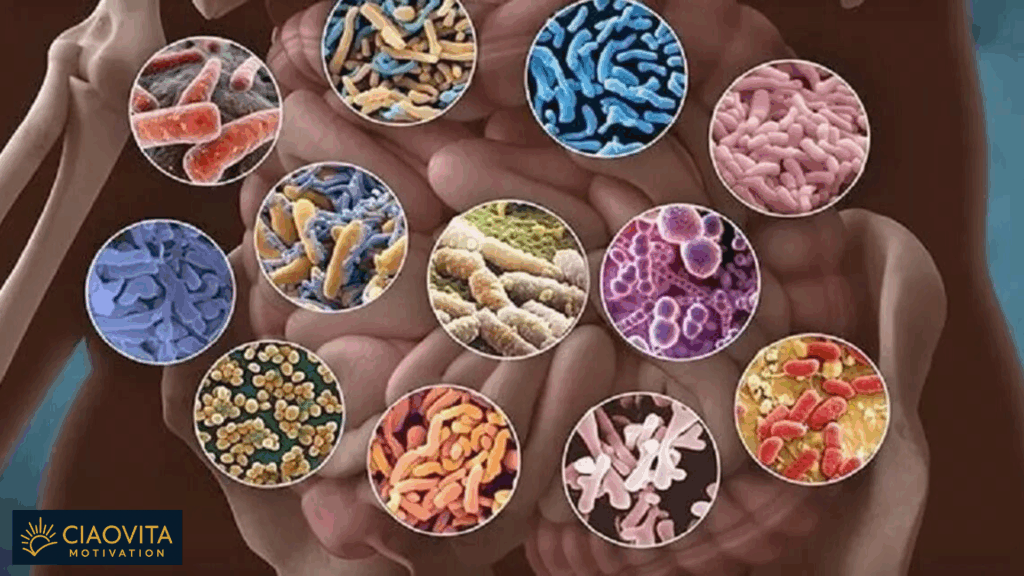
How Gut Microbiota, Inflammation and Aging Are Connected
Your gut microbiota might hold the secret to healthy aging. Recent research published in 2025 reveals that the trillions of bacteria living in your intestines play a far more significant role in how you age than previously understood. These microscopic organisms influence everything from inflammation levels to muscle function, and their impact becomes increasingly important as you grow older.
Scientists now recognize that gut bacteria composition serves as a better predictor of biological aging than chronological age alone. The relationship between your microbiome, chronic inflammation and aging represents one of the most important health discoveries of this decade. Understanding this connection opens new pathways for extending healthspan and preventing age-related diseases through simple, evidence-based interventions.
The inflammaging phenomenon
Inflammaging describes a state of chronic low-grade inflammation that develops gradually as we age. Unlike acute inflammation that helps your body fight infections and heal injuries, inflammaging persists continuously at lower levels. This sustained inflammatory state contributes directly to tissue deterioration, organ dysfunction and increased disease susceptibility.
Your gut microbiota plays a central role in driving or preventing this process. When gut bacteria communities become unbalanced, a condition called dysbiosis, they trigger systemic inflammation through multiple pathways. Research published in Biomedicines (2024) demonstrates that age-related gut changes include decreased bacterial diversity, reduced beneficial species and increased pro-inflammatory organisms. This shift elevates blood levels of inflammatory cytokines like IL-6, IL-1 and TNF-alpha, which accelerate cellular aging throughout your body.
The mechanism involves intestinal barrier dysfunction, commonly known as leaky gut. A 2025 study in Frontiers in Aging shows that aging promotes increased intestinal permeability, allowing bacterial components like lipopolysaccharide (LPS) to enter the bloodstream. These molecules activate immune responses systemically, creating the inflammatory cascade characteristic of inflammaging. Importantly, reducing TNF levels in older mice successfully prevented these microbiota-driven changes and protected intestinal barrier integrity.
Centenarians demonstrate that healthy aging remains possible despite chronological age. Research shows these individuals maintain gut microbiota patterns similar to younger adults, with higher diversity and more anti-inflammatory bacteria. They exemplify what scientists call anti-inflammaging, a balanced immune response that counteracts pro-inflammatory signals through enhanced regulatory T cells and reduced inflammatory signaling ratios.
Metabolic decline in the aging microbiome
A groundbreaking 2025 study published in Nature Microbiology used metabolic modeling to characterize host-microbiome interactions during aging. Researchers reconstructed integrated metabolic models of the host and 181 mouse gut microorganisms, revealing complex dependencies between host metabolism and microbial interactions.
The research observed a pronounced reduction in metabolic activity within the aging microbiome, accompanied by decreased beneficial interactions between bacterial species. These changes coincided with increased systemic inflammation and downregulation of essential host pathways, particularly nucleotide metabolism. This pathway depends heavily on microbiota and proves critical for preserving intestinal barrier function, cellular replication and tissue homeostasis.
The loss of intestinal barrier function allows bacterial translocation into the bloodstream, directly driving systemic inflammaging. This represents a feedback loop where aging affects the microbiome, which then accelerates host aging through inflammatory pathways. Breaking this cycle requires interventions that restore beneficial bacterial functions and metabolic activity.
Short-chain fatty acids as anti-aging compounds
Short-chain fatty acids (SCFAs), particularly butyrate, propionate and acetate, emerge as crucial mediators of healthy aging. These metabolites, produced when gut bacteria ferment dietary fibers, regulate multiple biological processes essential for longevity.
A comprehensive review in Nature Reviews Immunology (2024) details how SCFAs regulate epithelial barrier function and both mucosal and systemic immunity. Their anti-inflammatory effects operate through two primary mechanisms: activating G protein-coupled receptors (GPCRs) like GPR43 and GPR41, and inhibiting histone deacetylase (HDAC) activity. These actions influence immune cell differentiation, including regulatory T cells, phagocytes and B cells.
Research shows that SCFA levels decline naturally with aging as beneficial bacteria like Faecalibacterium prausnitzii and Roseburia species decrease. This reduction correlates directly with increased inflammation and worse health outcomes. Animal studies demonstrate that SCFA supplementation in aged mice reduces inflammaging, decreases oxidative stress and improves immune activation in multiple organs including the lungs.
Butyrate deserves special attention. It serves as the primary energy source for colonocytes and maintains intestinal barrier integrity. Studies show that butyrate deficiency leads to increased epithelial oxygenation and expansion of aerobic pathogens like E. coli. The mechanism involves decreased activity of PPAR-gamma, a butyrate sensor that regulates nitrate levels and oxygen availability in the intestinal lumen.
Mediterranean diet reshapes the aging microbiome
Evidence increasingly points to Mediterranean eating patterns as the most effective dietary approach for supporting healthy gut aging. The NU-AGE study, referenced in a 2025 review in Genome Medicine, showed that adopting a Mediterranean diet for one year significantly improved gut microbiota composition in older adults.
Participants following Mediterranean principles experienced increased gut bacterial diversity, improved balance between beneficial and harmful species, and elevated short-chain fatty acid production. These microbiome changes correlated with reduced inflammation markers, better cognitive performance and decreased frailty scores. Remarkably, SCFA production increased within months, even before major compositional shifts became apparent.
The Mediterranean diet works through multiple complementary mechanisms. High intake of plant foods provides diverse fibers that beneficial bacteria metabolize into health-promoting compounds. Polyphenols from fruits, vegetables, olive oil and wine serve as prebiotics, selectively feeding beneficial species. The diet naturally delivers adequate protein while limiting red meat and processed foods that promote inflammatory bacteria.
A 2025 study in Frontiers in Aging emphasized that this dietary pattern reduces oxidative stress, improves immune function, supports genomic stability and enhances metabolic health beyond just microbiome effects. The high fiber content promotes SCFA-producing bacteria like Faecalibacterium, Roseburia and Bacteroides, which then improve intestinal barrier function and reduce passage of inflammatory molecules into circulation.
Exercise transforms gut bacterial communities
Physical activity powerfully influences gut microbiota composition at any age. Multiple studies comparing active older adults with sedentary peers consistently find differences in bacterial diversity and specific species abundance. Research published in 2025 shows that regular exercise shifts bacterial composition toward more youthful patterns, potentially decreasing harmful microbes and increasing beneficial ones.
One Japanese study found that endurance exercise in older men decreased Clostridium difficile, a harmful pathogen, while increasing Oscillospira, changes associated with improved cardiovascular markers. Another investigation showed that older women who increased brisk walking time experienced increases in Bacteroides species, which correlated with better cardiorespiratory fitness.
A large US study revealed that among overweight older adults, those exercising daily or regularly showed higher bacterial diversity compared to those rarely or never exercising. This suggests [physical activity](https://www.ciaovitamotivation.com/whyyourlifestylemattersmorethan youthinkforbrainhealth) can partially restore healthier gut microbiota even when other factors like excess weight persist.
Exercise benefits extend beyond direct microbiome effects. Regular activity maintains healthier immune function in older adults, improving natural killer cell function, neutrophil migration and reducing inflammatory monocyte levels. Skeletal muscles release beneficial signaling molecules called myokines during exercise, including IL-6 (which paradoxically promotes anti-inflammatory responses when exercise-induced), IL-7 and IL-15, which help maintain lymphocyte populations and support immune homeostasis.
The WHO guidelines strongly recommend multicomponent physical activity emphasizing functional balance and resistance training at moderate or higher intensity, on three or more days weekly, for older adults. Combining resistance and aerobic exercise works best, improving muscle function, bone density and physical performance simultaneously.
Protein nutrition and gut health balance
Adequate protein intake supports muscle health in older adults, but the relationship with gut microbiota requires nuance. Animal studies show that very high protein diets, especially from animal sources, can reduce beneficial bacteria and increase production of trimethylamine N-oxide (TMAO), a marker linked to cardiovascular risk.
However, human studies paint a more balanced picture. Several trials in older adults found that increasing protein intaketo recommended levels of 1.0 to 1.2 grams per kilogram body weight daily did not significantly harm gut microbiota composition, apart from small decreases in SCFA producers. Problems mainly emerged at very high intakes exceeding 1.6 grams per kilogram daily.
The key involves not just protein quantity but also quality, timing and accompanying nutrients. Distributing protein evenly across meals, aiming for roughly 25 to 30 grams per meal, appears beneficial for muscle health. Leucine-rich sources like whey protein particularly effectively stimulate muscle protein synthesis in older adults. Combining adequate protein with resistance exercise produces better results than either intervention alone.
Other nutrients matter significantly. Vitamin D deficiency is common in older people and contributes to muscle weakness and increased fall risk. Supplementation helps most when baseline levels are low, especially when combined with exercise. Omega-3 fatty acids from fish may enhance muscle adaptation to exercise, particularly in older women.
Practical strategies for microbiome health
What does all this research mean for your daily life? Several actionable strategies emerge from these 2025 studies. First, prioritize diet quality by following Mediterranean principles. Eat plenty of vegetables, fruits, whole grains, legumes, nuts and olive oil. Include fish regularly and moderate amounts of poultry and dairy while limiting red meat and processed foods. This pattern naturally provides adequate protein, fiber and beneficial compounds supporting gut health.
Second, stay physically active with multicomponent exercise including both resistance training and aerobic activity. Even moderate activity like brisk walking provides benefits. Aim for at least 150 minutes of moderate-intensity activity weekly, spread across most days. This reshapes your microbiome toward more beneficial patterns while supporting overall health.
Third, ensure sufficient protein intake without excess. Target 1.0 to 1.2 grams per kilogram body weight daily, distributed evenly across meals. Choose high-quality sources including dairy, eggs, fish, poultry and plant proteins like legumes. This supports muscle maintenance without disrupting gut balance when combined with adequate fiber.
Fourth, consider probiotic-rich fermented foods like yogurt, kefir, sauerkraut and kimchi. These deliver beneficial bacteria directly while providing additional nutrients. Fifth, maintain adequate vitamin D levels, especially if you have limited sun exposure. Have your levels checked and supplement if needed.
Finally, stay socially connected and engaged in diverse activities. Social isolation negatively affects gut microbiota diversity. Environmental variety and stress management both influence bacterial communities positively. Sleep quality matters too, as circadian rhythm disruption alters microbiome composition and function.
Looking forward
The connection between gut microbiota, inflammaging and healthy aging represents an exciting frontier in longevity research. While we cannot prevent aging completely, we can influence how we age dramatically. Your gut bacteria composition reflects your aging trajectory, with diversity and balance marking healthy aging while dysbiosis signals declining health.
Lifestyle factors, particularly diet and physical activity, powerfully shape this microbial community throughout life. The beauty of these findings lies in their accessibility. You don’t need expensive supplements or complex protocols. Regular exercise, Mediterranean-style eating with adequate protein and fiber, and maintaining social connections provide the foundation.
These interventions work synergistically, supporting not just gut health but overall physical and cognitive function. As our society continues aging, understanding and applying these principles becomes increasingly important. The goal extends beyond simply living longer to living better, maintaining independence, physical function and quality of life throughout our later years.
Your gut microbiome serves as both a reflection of and contributor to this process. By nurturing this internal ecosystem through smart lifestyle choices, you support healthy aging from the inside out. Start with small, sustainable changes. Add more vegetables to your meals. Take a daily walk. Include more fish in your diet. These simple steps, maintained consistently, can reshape your gut microbiota and support healthier aging. Your future self will thank you.
References
- Kadyan S, Park G, Singh TP, Nagpal R. Microbiome-based therapeutics towards healthier aging and longevity. Genome Med. 2025;17:75.
- Caldarelli M, Rio P, Marrone A, Giambra V, Gasbarrini A, Gambassi G, Cianci R. Inflammaging: The Next Challenge—Exploring the Role of Gut Microbiota, Environmental Factors, and Sex Differences. Biomedicines. 2024;12(8):1716.
- Gyriki D, Nikolaidis CG, Bezirtzoglou E, Voidarou C, Stavropoulou E, Tsigalou C. The gut microbiota and aging: interactions, implications, and interventions. Front Aging. 2025;6:14529.
- Nature Microbiology. Metabolic modelling reveals the aging-associated decline of host–microbiome metabolic interactions in mice. Nat Microbiol. 2025 Mar 26.
- Schoultz I, et al. Gut microbiota development across the lifespan: Disease links and health‐promoting interventions. J Intern Med. 2025 Apr 24.
- Sorboni SG, et al. Short-chain fatty acids: linking diet, the microbiome and immunity. Nat Rev Immunol. 2024;24:577–95.
© 2025 Alice & Marcus Guimarães. All rights reserved.This site is proudly created with WordPress.