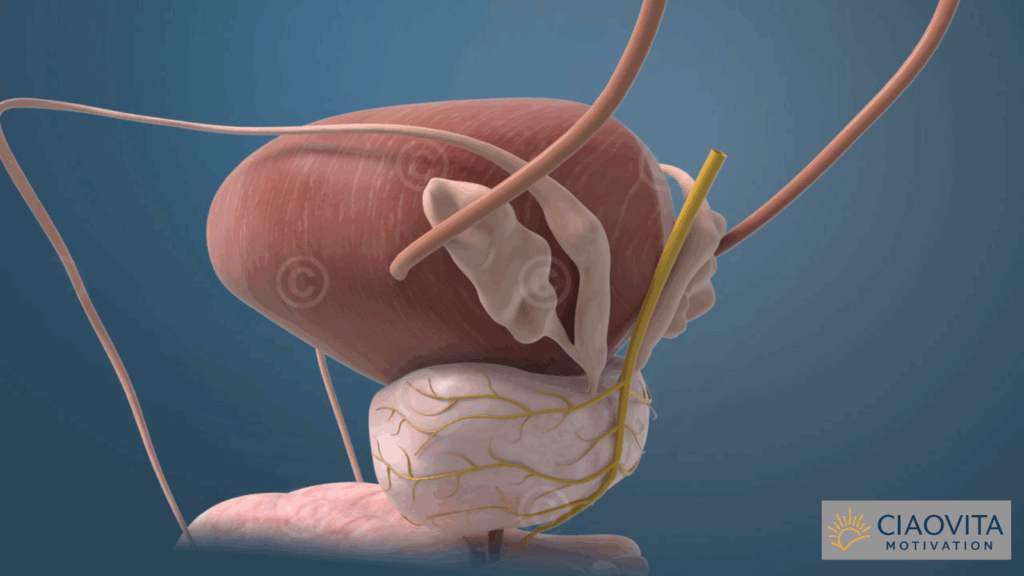
Prostate Health: Inflammation and Metabolic Links
Understanding BPH Treatment and Men’s Health Risks
Prostate health affects nearly every man eventually, yet most remain unaware of the powerful connections between prostate problems and overall metabolic health. Recent comprehensive meta-analyses examining over 90,000 patients reveal shocking links between metabolic syndrome and prostate conditions. Understanding these connections could transform how you approach men’s health and prevention strategies.
The Inflammation Connection Medical Research Reveals
Chronic inflammation serves as the invisible thread connecting nearly all prostate problems. While men typically worry about enlargement or cancer separately, cutting-edge research demonstrates that chronic inflammation creates the foundation for multiple prostate conditions.
Scientists identify four distinct types of prostatitis or prostate inflammation. The prevalence numbers are more alarming than most expect. Studies analyzing over 10,000 men found that 8.2% experience prostatitis symptoms. That translates to roughly 1 in every 12 men walking around with this condition right now.
What makes this truly concerning is the cascading risk. A comprehensive systematic review by Zhang and colleagues analyzing 35 studies found men with prostatitis symptoms face dramatically increased risks for other prostate problems. The data shows an odds ratio of 1.72 for developing prostate cancer after adjusting for publication bias. More strikingly, benign prostatic hyperplasia shows an odds ratio of 3.10, meaning inflammation multiplies BPH risk more than three times.
Metabolic Syndrome: The Missing Link in Prostate Health
Modern research has unveiled stunning connections between metabolic syndrome and prostate problems. A landmark meta-analysis by Omran and colleagues examined 70 studies encompassing 90,206 patients. Their findings revolutionize our understanding of BPH development.
The meta-analysis revealed that metabolic syndrome associates with increased total prostate volume by 4.45 ml with high statistical significance. More importantly, the correlation with urinary symptoms shows clear dose-response relationships. Men with metabolic syndrome face odds ratios of 1.56 for moderate lower urinary tract symptoms and 2.35 for severe symptoms.
The nocturia connection proves particularly troubling. Nighttime bathroom trips that disrupt sleep show an odds ratio of 2.509 in men with metabolic syndrome. Overactive bladder symptoms reach an odds ratio of 3.2, demonstrating the profound impact metabolic health has on urinary function.
These aren’t theoretical risks. Metabolic syndrome affects approximately 50 million Americans and includes conditions like insulin resistance, elevated weight, high blood pressure and abnormal cholesterol levels. Each component contributes to prostate inflammation through distinct pathways.
The Obesity and Diabetes Connection to BPH
Gacci and colleagues conducted a systematic review examining 8 studies with 5,403 patients where 26.4% had metabolic syndrome. Their meta-analysis identified specific metabolic factors driving prostate enlargement.
Obesity emerged as a significant factor, correlating with increased prostate volume of 1.8 ml. Age, obesity and dyslipidemia showed the strongest associations with BPH development. The study revealed that treating these metabolic factors often improves urinary symptoms more effectively than targeting the prostate directly.
Diabetes significantly increases urinary symptom severity through multiple mechanisms. High blood sugar creates oxidative stress, damages blood vessels supplying the prostate and promotes inflammatory pathways. Men with poorly controlled diabetes consistently report worse lower urinary tract symptoms than those with normal glucose metabolism.
The inflammation cascade works like this: obesity creates a pro-inflammatory state throughout the body. Fat tissue produces inflammatory chemicals called cytokines. These cytokines travel through the bloodstream, reaching the prostate and triggering chronic inflammation. This inflammation then drives abnormal cell growth in the transition zone, leading to BPH symptoms.
Prostate Zones: Understanding Where Problems Develop
To understand prostate disease progression, you need to grasp something remarkable about prostate anatomy. Unlike most organs, your prostate never stops growing from birth until death. This continuous growth pattern creates unique vulnerabilities as men age.
The prostate divides into three distinct zones with different disease patterns. The peripheral zone makes up 70% of the young adult prostate and houses most glandular tissue. Prostate cancer typically develops in this zone, representing about 70% of all prostate cancers.
The central zone comprises 25% of the prostate and surrounds the ejaculatory ducts. This area rarely causes problems and accounts for only 5% of prostate cancers. However, the transition zone holds the key to understanding most men’s urinary troubles.
This transition zone represents only 5% of the normal prostate but becomes the epicenter of BPH. As men age, this small zone can expand dramatically, squeezing the urethra. This compression causes the classic urinary symptoms: weak stream, difficulty starting urination, frequent nighttime bathroom trips and incomplete bladder emptying.
Shared Pathways Between Prostatitis, BPH and Cancer
An umbrella review by Perez-Lopez and colleagues analyzed 123 potential risk factors for prostate cancer. Their comprehensive analysis revealed that prostatitis and BPH don’t just increase cancer risk through mechanical effects. Instead, they share fundamental biological pathways with cancer development.
Three mechanisms stand out as particularly important. First, hormonal dependence connects all three conditions. The prostate responds to testosterone and estrogen throughout life. As men age, the testosterone-to-estrogen ratio shifts, creating an environment favoring abnormal growth.
Second, chronic inflammation activates cellular pathways promoting abnormal cell division. Inflammatory cells release growth factors and cytokines that stimulate prostate tissue. This chronic stimulation increases the likelihood of DNA damage and cellular mutations.
Third, genetic susceptibility influences all three conditions. Certain genetic variants increase vulnerability to inflammation, alter hormone metabolism and affect DNA repair mechanisms. This explains why prostate problems run in families beyond simple inheritance patterns.
The Inflammation Detection Problem
Gurel and colleagues conducted a systematic review examining 38 studies on prostate inflammation and cancer risk. Their meta-analysis revealed a crucial insight: asymptomatic inflammation matters more than symptoms alone.
The overall odds ratio for any prostate cancer was 2.05, but after correcting for detection bias, this adjusted to 1.16. However, when examining asymptomatic chronic inflammation, the odds ratio for total prostate cancer reached 1.78. More concerning, high-grade prostate cancer showed an odds ratio of 2.24.
This finding revolutionizes our understanding. Men can have significant prostate inflammation without noticeable symptoms. This silent inflammation still increases cancer risk substantially. The research suggests that inflammation severity matters more than symptom presence for determining long-term cancer risk.
Detection bias occurs because men with symptoms undergo more testing, leading to earlier cancer detection. The adjusted numbers account for this bias, revealing the true relationship between inflammation and cancer development.
Why Standard Treatments Sometimes Fail
Men with metabolic syndrome or diabetes may find standard BPH medications less effective. The explanation lies in understanding that multiple disease processes occur simultaneously. Medications targeting smooth muscle relaxation or hormone blockade can’t address the underlying metabolic inflammation driving prostate enlargement.
Chronic inflammation fundamentally alters how prostate tissue responds to medications. Inflammatory cytokines change cellular receptor sensitivity. Blood vessel damage from diabetes reduces drug delivery to prostate tissue. Obesity alters drug metabolism and distribution throughout the body.
Genetic variations also influence treatment response in ways researchers are only beginning to understand. Some men metabolize common BPH medications rapidly, reducing their effectiveness. Others have genetic variants affecting inflammatory pathways that respond differently to standard treatments.
The Metabolic Treatment Advantage
The correlation between metabolic health and prostate symptoms is so strong that treating metabolic syndrome often improves urinary symptoms more effectively than prostate-specific medications. Weight loss may reduce prostate volume and improve symptom scores better than alpha-blockers in some patients.
Blood pressure medications that also reduce inflammation provide dual benefits. Diabetes management directly affects urinary symptom severity by reducing oxidative stress and improving blood flow. Statin medications prescribed for cholesterol also demonstrate anti-inflammatory effects that benefit prostate health.
This comprehensive approach addresses root causes rather than just symptoms. Cardiovascular health correlates strongly with prostate health through shared inflammatory pathways. Some experts now recommend treating these as interconnected conditions rather than separate issues.
The Lifestyle Connection to Prostate Health
Evidence increasingly supports lifestyle modifications as first-line therapy for mild to moderate prostate symptoms. Exercise reduces systemic inflammation, improves insulin sensitivity and promotes healthy body composition. These metabolic improvements translate directly to reduced prostate inflammation.
Diet plays a crucial role through multiple mechanisms. The Mediterranean diet reduces inflammatory markers throughout the body. Fiber supports healthy gut bacteria, which influences systemic inflammation. Omega-3 fatty acids provide direct anti-inflammatory effects.
Stress management deserves attention because chronic stress elevates cortisol, promoting inflammation and insulin resistance. Sleep quality affects inflammatory markers and hormone balance. Men who consistently sleep less than 6 hours show worse metabolic markers and higher inflammation levels.
Conclusion: A New Paradigm for Prostate Health
The scientific evidence establishes clear connections between metabolic syndrome, inflammation and prostate problems. Meta-analysis of 90,206 patients demonstrates that metabolic health directly influences prostate volume and urinary symptoms. Systematic reviews confirm that inflammation creates pathways connecting prostatitis, BPH and cancer risk.
This knowledge transforms treatment approaches. Instead of accepting generic treatments that address symptoms alone, men can now work with healthcare providers who understand the inflammation-metabolism connection. Comprehensive approaches addressing diet, exercise, weight management and metabolic health offer the best hope for preventing and treating prostate disease effectively.
The science provides clear direction. Early intervention targeting metabolic health may prevent costly complications down the road. For men willing to move beyond outdated one-size-fits-all treatments, the future of prostate health looks remarkably bright. Take charge by discussing these findings with your healthcare provider and developing a comprehensive wellness plan protecting your prostate health for years to come.
References
- Omran A, Atiq A, Nassir A, et al. Metabolic syndrome and lower urinary tract symptoms: A systematic review and meta-analysis. Ther Adv Endocrinol Metab. 2021;12:204201.
- Zhang X, Peng S, Ding W, et al. The relationships between chronic prostatitis, benign prostatic hyperplasia, and prostate cancer: A systematic review and meta-analysis. J Cancer. 2020;11(1):177-89.
- Gacci M, Corona G, Vignozzi L, et al. Metabolic syndrome and benign prostatic enlargement: a systematic review and meta-analysis. BJU Int. 2015;115(1):24-31.
- Perez-Lopez FR, Chedraui P, Fernandez-Alonso AM. Relationships between prostatitis, benign prostatic hyperplasia and prostate cancer: An umbrella review. PLOS Med. 2024;21(3):e10043.
- Gurel B, Lucia MS, Thompson IM Jr, et al. Chronic inflammation in benign prostate tissue is associated with high-grade prostate cancer in the placebo arm of the Prostate Cancer Prevention Trial. Cancer Epidemiol Biomarkers Prev. 2019;28(10):1594-01.
© 2025 Alice & Marcus Guimarães. All rights reserved.This site is proudly created with WordPress.