Platelet Rich Plasma for Spine Diseases: Back Pain Relief.
Revolutionary Treatment Uses Your Blood’s Natural Healing Power
Chronic back pain affects over 80 percent of adults at some point in their lives. It disrupts daily activities, limits physical function and significantly reduces quality of life. Traditional treatments like medications, physical therapy and steroid injections help some patients temporarily, but many continue suffering. The pain returns. The cycle repeats. However, recent scientific advances offer genuine hope through Platelet Rich Plasma—a breakthrough treatment that harnesses your body’s own healing mechanisms to repair damaged spinal tissues and calm inflamed nerves.
This regenerative approach represents a paradigm shift in spine care. Instead of merely masking pain symptoms, PRP addresses underlying tissue damage directly. Your concentrated blood platelets deliver powerful growth factors precisely where your body needs them most. Recent 2025 meta-analyses demonstrate that PRP injections provide longer-lasting relief than traditional steroid shots for spine diseases and radiculopathy. The science behind this natural healing power continues evolving rapidly, with new clinical evidence emerging monthly.
Understanding Platelet Rich Plasma and spine conditions
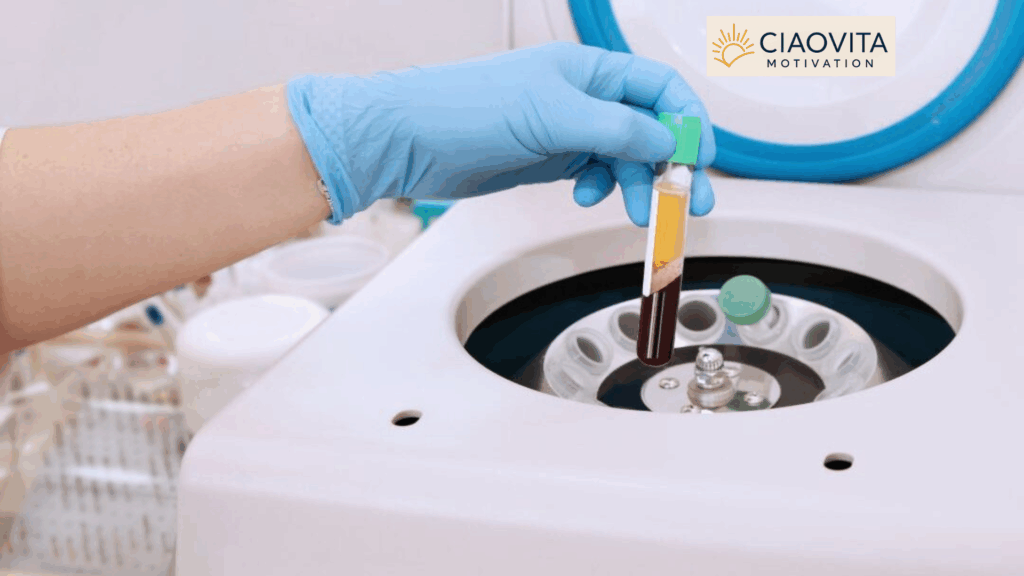
Platelet Rich Plasma is a concentrated fraction of your own blood obtained through a simple centrifuge process. Doctors collect a small blood sample and spin it in a specialized machine. This separates platelets from other blood components. The resulting liquid contains three to five times more platelets than normal blood. These tiny cell fragments store and release over 300 bioactive molecules when activated.
The key players include transforming growth factor, platelet-derived growth factor, vascular endothelial growth factor and many others. These substances promote tissue repair, stimulate cell growth, reduce inflammation and enhance healing. Think of platelets as microscopic repair kits circulating in your bloodstream, ready to rush to any injury site. When doctors inject concentrated platelets directly into damaged spinal structures, healing accelerates dramatically.
Spine diseases encompass a wide range of painful conditions. Disc degeneration occurs when the cushions between vertebrae break down over time. These discs lose water content and structural integrity. They can bulge or herniate, pressing on nearby nerves. Radiculopathy develops when spinal nerve roots become compressed or irritated. This produces the characteristic radiating pain, numbness, tingling or weakness that shoots down your arms or legs. The most common example is sciatica, where pain travels from your lower back through your buttock and leg.
Facet joints connect adjacent vertebrae in your spine. These small joints can develop arthritis just like your knees or hips. Inflamed facet joints cause localized back pain that worsens with twisting or arching backward. The sacroiliac joints connect your spine to your pelvis. Dysfunction or inflammation in these joints produces deep buttock or lower back pain. All these conditions create complex pain patterns that challenge both patients and doctors.
How PRP works on damaged spinal structures
Your intervertebral discs act as shock absorbers between vertebrae. These discs contain a gel-like center surrounded by tough outer rings. Over time, discs naturally lose water content and break down. This degeneration process accelerates with age, injury or genetics. Damaged discs can bulge or herniate, pressing on nearby nerves and causing radiculopathy.
Laboratory studies demonstrate that PRP stimulates disc cells to produce more collagen and proteoglycans. These molecules form the structural framework of healthy discs. PRP also reduces the activity of enzymes that break down disc tissue. In animal models, injecting PRP into damaged discs improved their appearance on MRI scans and slowed further degeneration. The treatment seemed to create a more favorable environment for disc cells to survive and function.
Recent research reveals the biological mechanisms behind these benefits. When PRP enters damaged disc tissue, it triggers a cascade of healing responses. Growth factors bind to cell surface receptors, activating genes that produce repair proteins. Anti-inflammatory cytokines reduce the chemical irritation that causes pain. Angiogenic factors promote blood vessel formation, bringing oxygen and nutrients to poorly vascularized disc tissue.
Facet joints can develop arthritis that causes localized back pain. The sacroiliac joints connecting your spine to your pelvis can become dysfunctional or inflamed. PRP injections into these joints may reduce inflammation and promote cartilage repair, similar to its effects in knee or shoulder arthritis. The concentrated platelets release factors that modulate the immune response, decrease inflammatory mediators and stimulate regeneration of damaged cartilage matrix.
Nerve roots exiting your spine can become irritated by disc herniations, bone spurs or inflammatory chemicals. This irritation produces the radiating pain characteristic of radiculopathy. PRP contains factors that may calm this nerve inflammation. Some research suggests PRP creates a protective environment that helps damaged nerves recover faster. The growth factors support nerve cell survival, reduce oxidative stress and promote remyelination of damaged nerve fibers.
Research findings on PRP for disc problems
Multiple clinical studies examined PRP injections directly into damaged spinal discs. One randomized controlled trialcompared PRP injections to contrast dye injections in 47 patients with chronic discogenic low back pain. The PRP group showed significantly better improvements in pain scores and function at eight weeks. These benefits persisted through one year of follow-up. Patients receiving PRP reported meaningful reductions in disability and improved quality of life.
Another study compared PRP injections to corticosteroid injections for disc-related pain. Both groups improved initially, but the PRP group maintained pain relief longer. At 60 weeks, PRP patients still reported better pain control and quality of life. This suggests PRP may offer more durable benefits than traditional steroid shots, which often provide only temporary relief lasting weeks or months.
A comprehensive meta-analysis published in 2022 evaluated 12 studies including 317 patients who received intradiscal PRP injections. The analysis found significant improvements in pain scores compared to baseline. However, researchers noted limitations in demonstrating structural or functional improvements on imaging studies. This suggests PRP primarily provides pain relief rather than complete disc regeneration.
Network meta-analyses comparing PRP to different control groups revealed important timing effects. After four weeks, corticosteroids showed optimal results for chronic low back pain. However, at six months and beyond, PRP demonstrated superior sustained benefits. This temporal pattern explains why PRP works best for patients seeking long-term relief rather than immediate results.
Several observational studies tracked patients for five to nine years after PRP disc injections. These long-term follow-ups revealed that many patients maintained their initial improvements. Pain scores remained significantly lower than before treatment. Disability levels stayed reduced. These encouraging results suggest PRP effects can last years, not just months. However, we must interpret these findings cautiously since they lack control groups and may reflect natural disease fluctuations or placebo effects.
Research also explored combining disc injections with minimally invasive surgical techniques. Percutaneous endoscopic lumbar discectomy combined with PRP injection showed promising results for lumbar disc herniation. This combination approach addresses both mechanical compression and biological healing, potentially improving outcomes beyond either treatment alone.
PRP for spinal fusion surgery outcomes
Spinal fusion surgery joins two or more vertebrae permanently. Surgeons use bone grafts to create a solid bridge between vertebrae. This eliminates painful motion at unstable or arthritic segments. However, fusion failure occurs in 25 to 35 percent of complex cases. The bone graft simply does not unite properly, creating a painful pseudarthrosis that may require revision surgery.
Researchers investigated whether adding PRP to bone grafts could improve fusion rates. The theory makes sense since PRP contains bone-forming growth factors like bone morphogenetic proteins. However, clinical results have been mixed and somewhat disappointing. Some studies found improved fusion rates and faster bone healing with PRP. Others showed no benefit or even slightly worse outcomes.
One carefully designed trial randomly assigned 50 patients to receive either PRP plus bone graft or bone graft alone during posterolateral lumbar fusion. The PRP group achieved a 94 percent fusion rate compared to 74 percent in the control group. The PRP group also showed larger fusion masses and reached solid fusion faster. This represented a clear benefit that could reduce revision surgery rates.
Conversely, several other studies found no advantage when adding PRP to fusion procedures. Some even reported lower fusion rates in PRP groups. These contradictory findings likely reflect differences in PRP preparation methods, activation techniques, patient selection and surgical approaches. A 2020 systematic review and meta-analysis concluded that current evidence remains insufficient to recommend PRP routinely for spinal fusion enhancement.
The variability in PRP preparation creates significant challenges in interpreting these studies. Some surgeons use leukocyte-rich formulations while others prefer leukocyte-poor preparations. Platelet concentrations vary widely depending on the collection system and centrifugation protocol. Until researchers standardize preparation methods and conduct larger multicenter trials, PRP for spinal fusion remains unproven despite theoretical benefits.
Treating facet and sacroiliac joint pain
Facet joint syndrome causes localized back pain from arthritic changes in these small spinal joints. Traditional treatment involves injecting local anesthetic and corticosteroid directly into painful joints. This provides temporary relief for many patients but requires repeated injections over time as the steroid effects wear off.
One randomized controlled trial published in 2025 compared PRP injections to steroid plus anesthetic injections for lumbar facet joint pain in 76 patients. Both treatments reduced pain initially. However, the PRP group maintained better pain relief at six months. At this follow-up point, six patients in the PRP group and five in the corticosteroid group showed 50 percent improvement in spontaneous pain scores. Patients receiving PRP also showed greater improvements in disability scores and functional measures.
Sacroiliac joint dysfunction produces deep buttock or lower back pain that mimics sciatica. Ultrasound or X-ray guidance allows doctors to inject PRP precisely into this joint. A 2025 systematic review identified two randomized controlled trials and three observational studies examining PRP for sacroiliac joint pain. The analysis revealed generally positive results with significant pain reduction lasting six to twelve months after a single injection.
Additional research on sacroiliac joint injections found that PRP injections are beneficial, though results were not as dramatic as initially reported. The pooled analysis showed PRP provides meaningful pain relief but emphasized the need for larger double-blind randomized controlled trials to establish optimal protocols and patient selection criteria.
Interestingly, one study found that PRP worked better than steroids for sacroiliac joint pain. Another study reached the opposite conclusion, reporting that steroids provided superior relief. These conflicting results highlight the challenges in PRP research. Differences in patient selection, PRP preparation protocols and outcome measurement methods make direct comparisons difficult. Despite these inconsistencies, the overall trend suggests PRP injections are safe and may help many patients with joint-related spine pain.
Current evidence levels remain limited however. The 2025 systematic review graded the quality of evidence as level IV with weak recommendations using the GRADE framework. This reflects the small number of high-quality randomized trials and the risk of bias in observational studies. Larger multicenter trials are needed before PRP can be considered standard care for sacroiliac joint dysfunction.
Epidural PRP injections for radiculopathy
Epidural steroid injections are a standard treatment for radiculopathy. Doctors inject corticosteroid medication into the epidural space surrounding inflamed nerve roots. This reduces nerve irritation and relieves radiating pain down the arm or leg. However, steroid effects wear off after weeks or months, requiring repeated injections. Some patients worry about potential steroid side effects with repeated use including elevated blood sugar, increased blood pressure and decreased bone density.
Several research teams investigated whether epidural PRP injections could replace or improve upon steroid injections. A 2025 meta-analysis comparing PRP to steroids for radiculopathy analyzed randomized controlled trials involving patients with lumbar disc disease. The study found that epidural PRP offers comparable benefits to epidural steroid injections for managing radiculopathy. The safety profiles were similar between the two treatments, but PRP showed advantages in long-term pain control.
Another systematic review and meta-analysis published in January 2025 included seven studies with 416 patients comparing PRP versus corticosteroid injections for lumbar radicular pain. The analysis examined Visual Analog Scale and Oswestry Disability Index scores at multiple time points. Results showed PRP provided comparable short-term benefits but superior long-term outcomes extending beyond six months.
One randomized trial compared caudal epidural injections of PRP versus corticosteroid in 50 patients with chronic low back pain and radiculopathy. Both groups improved significantly at one month. However, at six months, the PRP group maintained their pain relief while the steroid group’s pain had returned to baseline levels. The PRP group also reported better quality of life across all measured domains including physical function, emotional wellbeing and social activities.
Another study used transforaminal PRP injections, targeting specific nerve roots under X-ray guidance. They compared PRP to steroid injections in patients with disc herniation and radiculopathy. Both treatments significantly reduced pain and improved function at one year. The study found no significant differences between groups, suggesting PRP works as well as steroids for this condition. This equivalent efficacy matters because PRP avoids the potential metabolic and skeletal side effects of repeated steroid exposure.
A comprehensive systematic review published in 2022 examined 12 studies on epidural PRP for radiculopathy. All studies identified improved pain intensity and functional outcomes after epidural injection of PRP or related platelet products including platelet lysate and plasma rich in growth factors. Similar or longer-lasting pain relief was noted in the PRP cohort compared to the cohort receiving epidural steroid injections, with effects lasting up to 12-24 months. The GRADE analysis revealed very low certainty of evidence due to risk of bias, indirectness and imprecision, indicating need for higher-quality trials.
The research suggests epidural PRP injections are safe and effective for radiculopathy. The benefits may develop more slowly than with steroids but appear to last significantly longer. This trade-off might make PRP preferable for patients seeking durable relief without repeated steroid exposure. Additionally, PRP may be particularly valuable for patients with diabetes or osteoporosis who need to minimize steroid use.
Safety profile and side effects
One major advantage of PRP is its excellent safety profile. Since PRP comes from your own blood, allergic reactions are essentially impossible. The autologous nature eliminates concerns about disease transmission or immune rejection. The risk of infection exists with any injection procedure but remains very low when doctors follow proper sterile techniques. Most patients experience only mild, temporary discomfort at injection sites.
Reported side effects are generally minor and self-limiting. Some patients notice increased pain for a day or two after injection as the growth factors trigger an initial inflammatory response. This represents the body’s natural healing process activating. The discomfort usually resolves quickly with rest, ice application and over-the-counter pain relievers. Rarely, patients develop more persistent pain requiring additional treatment or follow-up injections.
A 2023 systematic review analyzing safety data from multiple PRP spine studies found no serious complications like nerve damage, disc infection or spinal cord injury reported with PRP injections. The most common complaints included injection site pain, redness, swelling, stiffness and soreness. These local reactions typically resolved within days without medical intervention.
Long-term safety data extending beyond ten years shows no concerning patterns. Patients receiving PRP injections years ago have not developed unexpected problems or adverse events. This reassuring track record supports PRP as a low-risk therapeutic option for carefully selected patients with spine diseases and radiculopathy.
The safety advantage becomes particularly important when comparing PRP to repeated corticosteroid injections. While steroids provide rapid initial relief, repeated epidural steroid injections carry risks of elevated blood glucose, hypertension, decreased bone mineral density, suppression of the hypothalamic-pituitary-adrenal axis and potentially increased infection risk. PRP avoids these systemic side effects entirely, making it an attractive alternative for patients requiring multiple treatments over time.
Current challenges and future directions
Despite encouraging results, PRP therapy for spine conditions faces several important challenges that limit widespread adoption. The lack of standardization in PRP preparation creates significant variability between studies and clinical practices. Some centers use leukocyte-rich PRP while others prefer leukocyte-poor preparations. Some activate platelets before injection while others inject them in a resting state. Platelet concentrations vary widely depending on the collection system and centrifugation technique used.
This variability makes it extremely difficult to determine the optimal PRP formulation for specific conditions. What works best for disc degeneration might differ substantially from the ideal preparation for joint pain or nerve inflammation. A 2023 systematic review highlighted that different PRP types exert distinct biological effects based on component concentrations. More research comparing different PRP preparations head-to-head would help clarify these questions and establish evidence-based protocols.
Sample sizes in many published studies remain relatively small, limiting statistical power. Larger multicenter trials with hundreds of patients would provide more reliable evidence and allow subgroup analyses. Some studies lack control groups, making it impossible to distinguish PRP effects from natural improvement, placebo responses or regression to the mean. The gold standard of medical research—the double-blind randomized controlled trial—remains uncommon in PRP spine research despite growing clinical use.
Patient selection criteria also need refinement through additional research. Some patients respond dramatically to PRP while others show little benefit. Identifying which patients are most likely to respond would improve treatment success rates and avoid unnecessary procedures. Factors like age, severity of degeneration, duration of symptoms, metabolic health status and genetic markers might predict treatment response. Personalized medicine approaches could optimize patient selection and outcomes.
Cost represents another practical consideration. PRP preparation and injection require specialized equipment, trained personnel and physician expertise. Insurance coverage varies widely between carriers and regions. Some patients pay out of pocket for PRP therapy, which can be expensive depending on the number of injections and sites treated. As evidence accumulates and techniques standardize, insurance coverage may expand to improve access.
The field continues advancing rapidly with new preparation methods, delivery techniques and combination therapies emerging regularly. Researchers are exploring PRP combined with stem cell therapies, biomaterial scaffolds and gene therapy approaches. Understanding how these modalities work synergistically could unlock even greater regenerative potential.
Making informed treatment decisions
If you suffer from chronic spine-related pain, PRP therapy might interest you as a potential treatment option. The research base continues growing, with generally positive but sometimes inconsistent results across different spine conditions. For disc-related back pain, evidence suggests PRP injections can significantly reduce pain and improve function for months to years. This effect appears superior to or more durable than corticosteroid injections in several studies.
For radiculopathy and sciatica, epidural or transforaminal PRP injections show promise as alternatives to steroids. They seem to work as well as steroids initially but may provide longer-lasting relief extending 12-24 months. For facet joint or sacroiliac joint pain, PRP injections appear safe and potentially effective, though more research would strengthen these conclusions. For spinal fusion surgery, the evidence remains unclear with some studies showing benefits while others do not.
Before pursuing PRP therapy, discuss it thoroughly with your doctor or spine specialist. Ask about their experience with PRP, which preparation method they use and what success rates they have observed in their practice. Inquire about costs and insurance coverage, as these vary significantly. Consider whether you have tried and exhausted more conventional treatments first, including physical therapy, exercise programs, medications and lifestyle modifications.
PRP represents one powerful tool in a comprehensive treatment strategy for spine diseases. However, it cannot fix poor posture, weak core muscles or unhealthy lifestyle habits that contribute to back pain. The best outcomes typically occur when PRP therapy combines with physical therapy, targeted exercises, weight management, stress reduction and other evidence-based approaches. Think of PRP as an important component of multimodal care rather than a standalone miracle cure.
The science behind Platelet Rich Plasma continues evolving rapidly. New preparation methods, delivery techniques and combination therapies emerge regularly from research laboratories worldwide. What seems certain is that PRP has moved from experimental therapy to legitimate treatment option backed by growing clinical evidence. Whether it becomes a first-line therapy or remains a second-line option for patients who fail conservative care will depend on future research findings and cost-effectiveness analyses.
Conclusion
Platelet Rich Plasma offers genuine hope for millions suffering from chronic spine diseases and radiculopathy. This regenerative treatment harnesses your body’s innate healing capacity by concentrating and delivering powerful growth factors precisely where damage exists. Recent 2025 research demonstrates that PRP provides pain relief comparable to traditional steroids initially, with superior long-term durability extending 12-24 months versus weeks.
The evidence supports PRP for multiple spine conditions including disc degeneration, facet joint arthritis, sacroiliac joint dysfunction and nerve root inflammation. While not appropriate for every patient or condition, PRP represents a valuable addition to the spine care armamentarium. The excellent safety profile, minimal side effects and lack of systemic complications make PRP particularly attractive for patients requiring repeated treatments or those wishing to avoid steroid exposure.
Stay informed about treatment advances like PRP as research continues progressing. Work closely with your healthcare team to develop a personalized treatment plan based on your specific condition, treatment goals and individual circumstances. Explore all appropriate evidence-based options including conservative care, regenerative therapies and surgical interventions when necessary. The future of spine care increasingly embraces biological treatments that support your body’s natural healing rather than simply masking symptoms.
References
- Kawabata S, Akeda K, Yamada J, Takegami N, Fujiwara T, Fujita N, Sudo A. Advances in Platelet-Rich Plasma Treatment for Spinal Diseases: A Systematic Review. Int J Mol Sci. 2023;24(8):7677. Available from: https://pmc.ncbi.nlm.nih.gov/articles/PMC10145581/
- Machado ES, Ambach MA, Caldas JM, Wei JJ, Bredemeier M. Systematic Review of Platelet-Rich Plasma for Low Back Pain. Biomedicines. 2023;11(9):2404. Available from: https://pmc.ncbi.nlm.nih.gov/articles/PMC10525951/
- Muthu S, Jeyaraman M, Chellamuthu G, Jeyaraman N, Jain R, Khanna M. Does the Intradiscal Injection of Platelet Rich Plasma Have Any Beneficial Role in the Management of Lumbar Disc Disease? Glob Spine J. 2022;12(3):503-514. Available from: https://pmc.ncbi.nlm.nih.gov/articles/PMC9121148/
- Muthu S, Viswanathan VK, Gangadaran P. Is Platelet-Rich Plasma Better Than Steroids as Epidural Drug of Choice in Lumbar Disc Disease With Radiculopathy? Meta-Analysis of Randomized Controlled Trials. Exp Biol Med. 2025;250:10390. Available from: https://pubmed.ncbi.nlm.nih.gov/39968415/
- Liu Y, et al. Therapeutic interventions of platelet-rich plasma versus corticosteroid injections for lumbar radicular pain: a systematic review and meta-analysis. J Orthop Surg Res. 2025. Available from: https://josr-online.biomedcentral.com/articles/10.1186/s13018-025-05725-z
- Kubrova E, Alvarez G, Yeng F, Rosado R, Qu W, D’Souza R. Platelet Rich Plasma and Platelet-Related Products in the Treatment of Radiculopathy: A Systematic Review of the Literature. Biomedicines. 2022;10(11):2813. Available from: https://pmc.ncbi.nlm.nih.gov/articles/PMC9687426/
- Manchikanti L, et al. A Systematic Review of Sacroiliac Joint Injections of Platelet-Rich Plasma and Stem Cells. Curr Pain Headache Rep. 2025. Available from: https://link.springer.com/article/10.1007/s11916-025-01377-0
- Dadkhah M, et al. The impact of platelet-rich plasma on postoperative outcomes after spinal fusion: a systematic review and meta-analysis. J Neurosurg Spine. 2020;33(4):540-50. Available from: https://thejns.org/spine/view/journals/j-neurosurg-spine/33/4/article-p540.xml
- Mars T, et al. Platelet-rich plasma versus corticosteroids in facet joint syndrome: A controlled, randomized, double-blind study. Joint Bone Spine. 2025. Available from: https://www.sciencedirect.com/science/article/pii/S1297319X25001630
- Zhang L, Zhang C, Song D, et al. The clinical efficacy of percutaneous endoscopic lumbar discectomy combined with platelet-rich plasma injection for lumbar disc herniation: a systematic review and meta-analysis. Front Surg. 2025. Available from: https://www.frontiersin.org/journals/surgery/articles/10.3389/fsurg.2025.1601772/full
- Li X, et al. The Clinical Efficacy of Platelet-Rich Plasma Injection Therapy versus Different Control Groups for Chronic Low Back Pain: A Network Meta-Analysis. J Pain Res. 2024. Available from: https://www.tandfonline.com/doi/full/10.2147/JPR.S444189
- Manchikanti L, et al. Efficacy and Safety of Intradiscal Biologics for Discogenic Low Back Pain. Pain Physician. Available from: https://www.painphysicianjournal.com/current/pdf?article=NzkzOA%3D%3D&journal=167
© 2025 Alice & Marcus Guimarães. All rights reserved.This site is proudly created with WordPress.