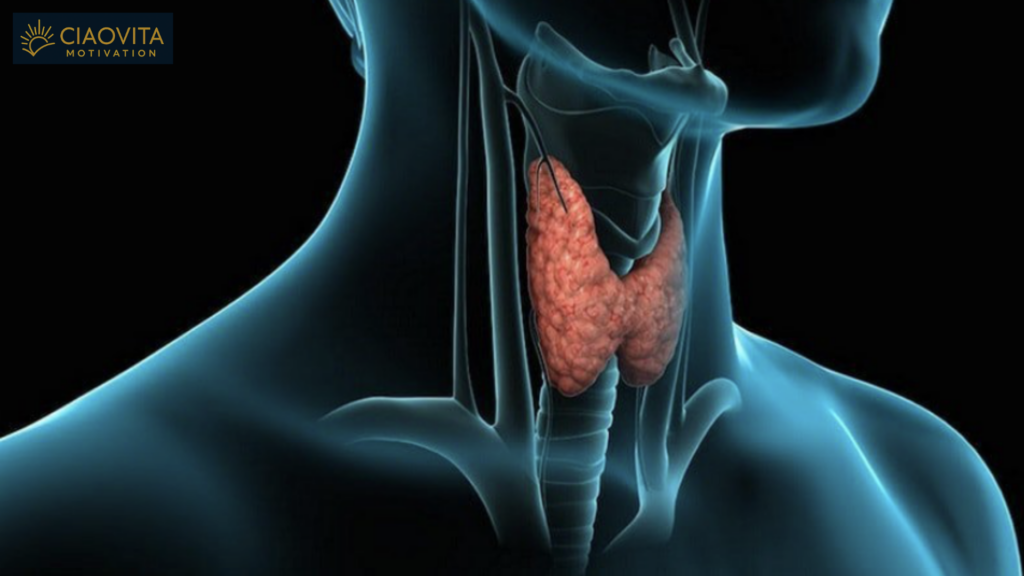
Metabolic Syndrome and Your Thyroid
The Hidden Connection. Understanding How Obesity and Metabolic Dysfunction Increase Thyroid Disease Risk.
Your annual checkup reveals slightly elevated blood sugar, higher blood pressure than last year and concerning cholesterol numbers. Your doctor mentions “metabolic syndrome” and recommends lifestyle changes. What you might not realize is that these metabolic problems could be quietly affecting another critical system in your body: your thyroid gland.
Groundbreaking research analyzing thousands of studies reveals a powerful connection between metabolic syndrome and thyroid disorders that affects millions of people worldwide. Understanding this relationship could help you prevent serious thyroid dysfunction before it develops.
What metabolic syndrome really means for your body
Metabolic syndrome represents a cluster of conditions that occur together, dramatically increasing your risk of heart disease, stroke and type 2 diabetes. The diagnosis requires having at least three of five specific criteria: abdominal obesity measured by waist circumference, elevated blood pressure, high fasting blood sugar, elevated triglycerides and low HDL cholesterol levels.
This constellation of metabolic problems affects an estimated 25% of the world’s population. The prevalence increases with age and varies by ethnicity, lifestyle factors and genetic background. What makes metabolic syndrome particularly concerning is how these individual risk factors amplify each other’s negative health impacts.
Your body’s metabolism controls how you convert food into energy, regulate blood sugar levels, manage inflammation and maintain hormone balance. When multiple metabolic pathways malfunction simultaneously, the consequences extend far beyond cardiovascular health. Recent systematic reviews examining nearly 3,000 scientific articles reveal that metabolic dysfunction creates conditions that specifically damage thyroid function and hormone production.
The obesity-thyroid connection backed by science
Among metabolic syndrome’s components, obesity emerges as the strongest predictor of future thyroid problems. A comprehensive meta-analysis examining prospective studies with 71,727 participants found that individuals with obesity face a 3.10-fold increased risk of developing overt hypothyroidism compared to those with normal weight.
The relationship proves even more striking for subclinical hypothyroidism, a condition where thyroid-stimulating hormone levels become elevated while thyroid hormone levels remain within normal ranges. Obesity increases this risk by 50%, with people carrying excess weight showing a relative risk of 1.50 for developing subclinical hypothyroidism.
These statistics translate into real health consequences. Overt hypothyroidism causes fatigue, weight gain, cold intolerance, constipation, dry skin and numerous other symptoms that significantly impact quality of life. Subclinical hypothyroidism, while producing milder or no obvious symptoms, still increases risks for cardiovascular disease and may progress to full hypothyroidism requiring lifelong medication. Understanding when standard thyroid treatment isn’t working becomes crucial for managing these conditions effectively.
The connection between obesity and thyroid dysfunction appears particularly pronounced in women, especially after menopause. Studies consistently show higher prevalence of both metabolic syndrome and thyroid problems in post-menopausal women compared to men or younger women. This suggests hormonal changes during menopause may amplify the metabolic-thyroid relationship.
How excess fat disrupts thyroid hormone production
The mechanism linking obesity to thyroid dysfunction involves complex biological processes that researchers continue investigating. Adipose tissue, particularly visceral fat around your organs, functions as an active endocrine organ producing numerous hormones and inflammatory molecules.
Excess adipose tissue produces elevated levels of leptin, a hormone that regulates appetite and energy expenditure. While leptin primarily controls hunger signals, it also affects thyroid function through multiple pathways. High leptin levels may alter the expression and activity of deiodinases, enzymes responsible for converting inactive thyroid hormone T4 into active T3.
Inflammatory cytokines released by adipose tissue create chronic low-grade inflammation throughout the body. This inflammatory environment may inhibit sodium-iodide symporter expression in thyroid cells, disrupting their ability to take up iodine necessary for thyroid hormone synthesis. Studies show that inflammatory markers correlate with altered thyroid function even in people without obvious thyroid disease.
Perhaps most concerning, research in both humans and animal models demonstrates that obesity causes fat accumulation within the thyroid gland itself. This follicular cell steatosis, or fatty infiltration of thyroid tissue, appears to impair the gland’s hormone production capacity. Mouse studies suggest this fat accumulation directly contributes to subclinical hypothyroidism development in obese individuals.
The relationship may work bidirectionally. While obesity clearly affects thyroid function, thyroid hormone levels also influence metabolism, energy expenditure and body weight regulation. This creates potential for a vicious cycle where metabolic dysfunction and thyroid problems reinforce each other.
The role of insulin resistance and blood sugar problems
Diabetes and prediabetes, key components of metabolic syndrome, show complex relationships with thyroid function. Research examining the prospective association between these conditions and thyroid disease development yields mixed results requiring careful interpretation.
Some studies found no clear evidence that diabetes increases risk of developing hypothyroidism when other factors are controlled. However, the bidirectional nature of this relationship complicates interpretation. People with type 1 diabetes face well-established increased risk of autoimmune thyroid disease, leading to screening recommendations in clinical guidelines.
The connection proves less clear for type 2 diabetes. Cross-sectional studies examining people at single time points show inconsistent associations. Longitudinal studies tracking people over time provide better evidence but remain limited. Interestingly, one meta-analysis found that prediabetes at baseline associated with 32% lower odds of developing overt hyperthyroidism, though the mechanism remains unclear.
Insulin resistance, the hallmark of type 2 diabetes and metabolic syndrome, affects thyroid function through multiple pathways. Insulin influences thyroid cell growth, iodine uptake and thyroid hormone synthesis. Studies in people without diabetes show that higher insulin resistance correlates with altered thyroid hormone levels even when TSH remains normal.
The glucose-thyroid connection highlights how metabolic disorders create interconnected health problems rather than isolated conditions. Optimizing blood sugar control likely benefits thyroid health alongside its many other advantages.
Blood pressure and cholesterol effects on thyroid function
Hypertension and dyslipidemia, the remaining metabolic syndrome components, also demonstrate associations with thyroid dysfunction. The relationships prove less dramatic than obesity but remain clinically significant.
Hypothyroidism, even in its subclinical form, affects blood pressure through multiple mechanisms. Reduced thyroid hormone levels decrease heart rate and cardiac output while increasing systemic vascular resistance. This creates a perfect storm for hypertension development. Cross-sectional studies consistently show higher blood pressure in people with subclinical hypothyroidism compared to those with normal thyroid function.
The directionality of this relationship remains debated. Does hypertension contribute to developing thyroid problems or does thyroid dysfunction cause blood pressure elevation? Prospective studies examining whether hypertension at baseline predicts future thyroid disease remain limited, preventing definitive conclusions.
Cholesterol abnormalities show clearer connections to thyroid function. Thyroid hormones regulate genes involved in cholesterol synthesis, metabolism and excretion. Reduced thyroid hormone levels lead to elevated total cholesterol and LDL cholesterol while sometimes lowering HDL cholesterol. These changes mirror the lipid abnormalities defining metabolic syndrome.
Studies examining whether dyslipidemia predicts future thyroid dysfunction show mixed results. The biological plausibility suggests chronic inflammation from oxidized lipids might damage thyroid tissue, but direct evidence remains limited. More likely, the shared inflammatory and metabolic pathways underlying both conditions explain their frequent coexistence. On the opposite end of the spectrum, hyperthyroidism creates distinct cardiovascular risks that require careful management.
Gender differences in metabolic syndrome-thyroid relationships
Women face substantially higher risks than men for both thyroid disorders and complications from metabolic syndrome. This gender disparity reflects complex interactions between sex hormones, body composition, inflammation and thyroid regulation.
Thyroid diseases affect women approximately five to ten times more frequently than men across all age groups. Autoimmune thyroid conditions like Hashimoto’s thyroiditis show even more pronounced female predominance. When metabolic syndrome enters the picture, these gender differences become more striking.
Research demonstrates that women with subclinical hypothyroidism show higher prevalence of metabolic syndrome and its individual components compared to men with the same thyroid dysfunction. Post-menopausal women face particularly elevated risks, with studies showing metabolic syndrome prevalence nearly doubling after menopause.
The hormonal changes during menopause create a perfect storm for both metabolic dysfunction and thyroid problems. Declining estrogen levels alter body fat distribution, promote insulin resistance and affect thyroid hormone metabolism. The combination explains why many women develop both metabolic syndrome and thyroid dysfunction around the same life stage.
These gender differences have important clinical implications. Women with metabolic syndrome should receive particularly careful thyroid function monitoring. Conversely, women diagnosed with subclinical hypothyroidism warrant thorough metabolic syndrome screening even if individual components like obesity or hypertension appear borderline.
What the research limitations mean for you
While the association between metabolic syndrome and thyroid disorders appears robust, important limitations in current research warrant consideration. The vast majority of studies examining this relationship use observational designs rather than randomized controlled trials. This makes establishing causation versus correlation challenging.
The systematic review examining this topic screened 2,927 articles but found only seven meeting strict inclusion criteria for prospective study design. This small number reflects how few researchers have tracked metabolic syndrome patients over time to see who develops thyroid disease. Most existing research examines the opposite direction: whether thyroid problems lead to metabolic syndrome.
Heterogeneity across studies creates additional challenges. Different research groups use varying definitions of metabolic syndrome, apply different TSH cutoffs for diagnosing subclinical hypothyroidism and adjust for different confounding factors in their analyses. This variability explains why pooling results across studies sometimes proves impossible due to excessive statistical heterogeneity.
The bidirectional nature of metabolic-thyroid relationships complicates interpretation. Does metabolic syndrome cause thyroid dysfunction, does thyroid dysfunction cause metabolic syndrome or do shared underlying factors cause both? Current evidence cannot definitively answer this chicken-or-egg question, though mounting biological evidence suggests metabolic dysfunction likely precedes and contributes to thyroid problems in many cases.
Practical steps for protecting your thyroid health
Despite research limitations, the preponderance of evidence suggests maintaining healthy metabolism benefits thyroid function. Several actionable strategies can help you reduce risks for both metabolic syndrome and thyroid disorders.
Weight management emerges as the single most important factor given obesity’s powerful association with hypothyroidism risk. Even modest weight loss of 5 to 10% of body weight can significantly improve metabolic parameters. Focus on sustainable dietary changes and regular physical activity rather than extreme restriction.
Blood sugar control helps reduce inflammation and insulin resistance that may damage thyroid function. Choose whole grains over refined carbohydrates, include protein with meals and limit added sugars. Regular exercise dramatically improves insulin sensitivity regardless of weight changes.
Blood pressure optimization protects both cardiovascular and thyroid health. The DASH diet emphasizing fruits, vegetables and low-fat dairy consistently reduces blood pressure. Regular aerobic exercise provides additional benefits. Limit sodium intake to less than 2,300 milligrams daily.
Cholesterol management through diet focuses on reducing saturated fat and increasing healthy fats from sources like olive oil, nuts and fatty fish. The Mediterranean dietary pattern shows particular benefits for both metabolic and thyroid health as discussed in previous articles on anti-inflammatory nutrition.
Regular screening becomes critical if you have metabolic syndrome. Discuss thyroid function testing with your healthcare provider, particularly if you experience unexplained fatigue, weight changes or other symptoms. Early detection of subclinical hypothyroidism allows monitoring and timely treatment if progression occurs.
Conclusion
The connection between metabolic syndrome and thyroid disorders represents more than statistical association. The biological mechanisms linking excess body fat, insulin resistance and inflammation to thyroid dysfunction suggest true causal relationships worthy of clinical attention.
Obesity emerges as the strongest individual predictor, tripling the risk of overt hypothyroidism and increasing subclinical hypothyroidism risk by 50%. These dramatic risk elevations affect millions given that one in four adults worldwide has metabolic syndrome. Women, particularly after menopause, face even higher risks requiring vigilant monitoring.
The research limitations preventing definitive conclusions about causation should not prevent appropriate action. The same lifestyle modifications that improve metabolic health, reduce cardiovascular risk and support healthy aging also likely protect thyroid function. Weight management, blood sugar control, blood pressure optimization and cholesterol reduction provide multiple benefits extending well beyond thyroid protection.
Understanding the metabolic syndrome-thyroid connection empowers you to recognize when thyroid evaluation makes sense. If you have metabolic syndrome, discuss thyroid screening with your healthcare provider. Early detection and management of thyroid dysfunction can prevent progression to overt disease requiring lifelong medication.
The intricate relationships between metabolism and thyroid function highlight how body systems interconnect rather than operating in isolation. Optimizing one area of health creates positive ripple effects throughout your body, supporting overall wellness and longevity.
References
- Alwan H, Ribero VA, Efthimiou O, Del Giovane C, Rodondi N, Duntas L. A systematic review and meta-analysis investigating the relationship between metabolic syndrome and the incidence of thyroid diseases. Endocrine. 2024;84(2):320-327.
- Zhong L, Liu S, Yang Y, Xie T, Liu J, Zhao H, Tan G. Metabolic syndrome and risk of subclinical hypothyroidism: a systematic review and meta-analysis. Front Endocrinol (Lausanne). 2024;15:1399236.
© 2025 Alice & Marcus Guimarães. All rights reserved.This site is proudly created with WordPress.