Hyperthyroidism - The Hidden Heart Risk You Need to Know
Understanding Graves Disease Treatment Options and Cardiovascular Complications
Your doctor calls with test results showing your thyroid hormone levels are elevated. Your heart pounds when climbing stairs, you’ve dropped ten pounds without trying and your hands shake when holding a coffee cup. These seemingly disconnected symptoms point to a single underlying condition that affects your entire cardiovascular system: hyperthyroidism.
Comprehensive research analyzing over 100 studies and tracking tens of thousands of patients reveals that thyroid hormone excess creates serious heart risks many people never consider. Understanding hyperthyroidism and its cardiovascular consequences could literally save your life.
How thyroid hormone overproduction affects your entire body
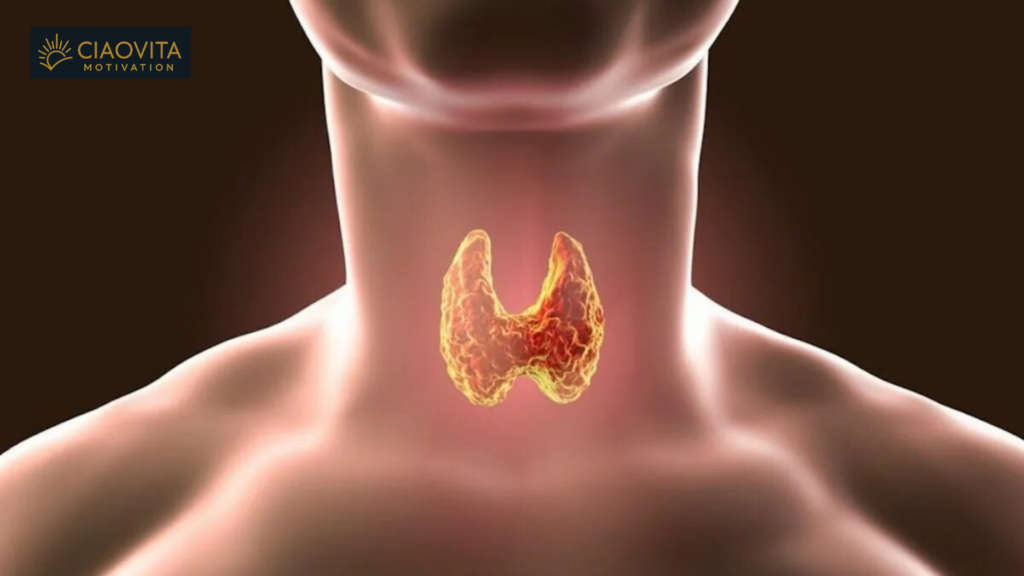
Hyperthyroidism occurs when your thyroid gland produces too much thyroid hormone, specifically thyroxine and triiodothyronine. Overt hyperthyroidism, characterized by suppressed thyroid-stimulating hormone levels and elevated thyroid hormones, affects approximately 0.2 to 1.4% of people worldwide. Subclinical hyperthyroidism, where TSH drops low but thyroid hormones remain normal, affects another 0.7 to 1.4% of the population.
The most common cause is Graves disease, an autoimmune condition affecting approximately 2% of women and 0.5% of men globally. In Graves disease, antibodies stimulate the thyroid gland to produce excess hormone. Other important causes include toxic nodular goiter, where autonomous thyroid nodules produce hormone independently, and thyroiditis phases where inflammation causes hormone release.
Thyroid hormone affects virtually every organ system in your body. It regulates metabolic rate, influencing how quickly cells consume oxygen and generate energy. When thyroid hormone levels rise too high, your metabolism accelerates beyond healthy limits. This explains the characteristic unintentional weight loss despite normal or increased appetite that many people experience.
The condition creates a hypermetabolic state affecting protein synthesis, carbohydrate metabolism and fat breakdown. Bone turnover accelerates, increasing osteoporosis risk and fracture rates. The nervous system becomes overactive, causing tremors, anxiety and difficulty concentrating. Sleep disturbances develop as the racing metabolism prevents adequate rest.
The cardiovascular consequences that make hyperthyroidism dangerous
A comprehensive meta-analysis examining 37 cohort studies provides clear evidence about hyperthyroidism cardiovascular risks and heart disease complications. Patients with overt hyperthyroidism face an 11% increased risk of ischemic heart disease, 35% higher stroke risk and 20% greater cardiovascular mortality compared to people with normal thyroid function.
These statistics translate into real clinical consequences. Excess thyroid hormone increases heart rate and cardiac output while decreasing systemic vascular resistance. Your heart works harder, pumping more blood per minute. Cardiac arrhythmias, particularly atrial fibrillation, develop frequently in hyperthyroid patients. Atrial fibrillation itself carries significant stroke risk, as blood clots can form in the irregularly contracting atrium.
Heart failure represents another serious complication, particularly in older adults or those with pre-existing heart conditions. The sustained high cardiac workload eventually overwhelms the heart’s compensatory mechanisms. Studies show hyperthyroidism can trigger or exacerbate heart failure even in previously healthy hearts.
Subclinical hyperthyroidism, despite producing fewer obvious symptoms, still carries meaningful cardiovascular risk. The meta-analysis found a 24% increased ischemic heart disease risk in people with subclinical hyperthyroidism compared to those with normal thyroid function. This association proved particularly strong in individuals with very low TSH levels below 0.1 mIU/L.
Importantly, subgroup analyses reveal that cardiovascular risks appear highest in people without pre-existing cardiovascular disease. The relative risk increase from hyperthyroidism diminishes in patients already at high cardiovascular risk from conditions like metabolic syndrome and thyroid dysfunction or established heart disease. This suggests thyroid function monitoring deserves particular attention in otherwise healthy individuals.
Understanding Graves disease and toxic nodular disorders
Graves disease demonstrates distinctive features beyond simple hormone excess. The autoimmune process produces antibodies against the TSH receptor, stimulating continuous thyroid hormone production. Many patients develop thyroid eye disease, where orbital tissues behind the eyes become inflamed and swollen, causing eye bulging, double vision and in severe cases, vision loss.
The condition shows strong genetic predisposition, with family history significantly increasing risk. Environmental factors including stress, infection and smoking modulate disease expression. Interestingly, moderate alcohol consumption appears associated with lower Graves disease risk in some population studies, though this observation requires further research.
Toxic nodular goiter develops differently. Single autonomous nodules or multiple nodules gradually develop independence from normal TSH regulation. These nodules produce thyroid hormone continuously regardless of the body’s needs. Nodules typically must reach three centimeters or larger before producing enough hormone to cause overt hyperthyroidism.
Iodine intake influences hyperthyroidism patterns globally. Areas with marginal iodine deficiency see more toxic nodular disease, while iodine-sufficient regions show higher Graves disease prevalence. Sudden increases in iodine exposure can trigger hyperthyroidism in susceptible individuals through the Jod-Basedow phenomenon.
The critical importance of accurate diagnosis
Diagnosing hyperthyroidism begins with recognizing suggestive symptoms and confirming biochemical abnormalities. Classic symptoms include palpitations, heat intolerance, tremor, weight loss despite increased appetite, frequent bowel movements and menstrual irregularities in women. However, symptom presentation varies considerably by age and individual factors.
Older adults often present with fewer obvious symptoms, a phenomenon called apathetic hyperthyroidism. Instead of hyperactivity and weight loss, elderly patients may show unexplained weight loss, atrial fibrillation or heart failure as the primary manifestation. This atypical presentation can delay diagnosis if clinicians don’t maintain appropriate suspicion.
Laboratory testing measures serum TSH as the screening test, with TSH suppression indicating possible hyperthyroidism. Free T4 and T3 measurements confirm the diagnosis and distinguish overt from subclinical disease. Additional testing determines the underlying cause. Thyroid-stimulating immunoglobulin antibodies indicate Graves disease, while radioactive iodine uptake scans distinguish Graves disease from toxic nodules or thyroiditis.
The diagnostic process must rule out other causes of elevated thyroid hormone levels. Thyroiditis causes transient thyrotoxicosis as inflammation releases stored hormone, but the condition resolves spontaneously without requiring definitive treatment. Factitious hyperthyroidism occurs when people ingest excess thyroid hormone, either intentionally or accidentally. Proper diagnosis guides appropriate treatment selection.
Treatment options that restore normal thyroid function
Three primary treatment approaches exist for hyperthyroidism: antithyroid drugs, radioactive iodine therapy and surgery. Treatment choice depends on multiple factors including the underlying cause, disease severity, patient age, pregnancy status, other medical conditions and patient preferences.
Antithyroid medications, primarily methimazole and propylthiouracil, block thyroid hormone synthesis. These medications work well as initial therapy, controlling hyperthyroidism within weeks to months. Methimazole represents the preferred choice for most patients due to once-daily dosing and lower hepatotoxicity risk. Propylthiouracil becomes necessary during pregnancy’s first trimester due to methimazole’s association with birth defects.
For Graves disease specifically, antithyroid drug therapy typically continues for 12 to 18 months. This prolonged course achieves remission in approximately 30 to 50% of patients, meaning the disease doesn’t recur after stopping medication. However, the relatively low remission rate means many patients eventually require definitive therapy with radioactive iodine or surgery.
While hyperthyroidism involves excessive thyroid hormone production, some patients may later develop the opposite condition. Understanding thyroid disorders when treatment isn’t working helps patients navigate the complexities of long-term thyroid management and combination therapy options.
Radioactive iodine therapy provides definitive treatment by destroying thyroid tissue through internal radiation. The thyroid gland concentrates iodine, allowing selective tissue destruction with minimal effects elsewhere. This outpatient treatment proves highly effective, with single-dose cure rates exceeding 90%. The main consequence is permanent hypothyroidism requiring lifelong thyroid hormone replacement, which occurs in most patients within months to years.
Surgery, specifically total or near-total thyroidectomy, offers another definitive option. Thyroid surgery provides immediate cure and allows tissue examination to rule out thyroid cancer. Surgical treatment works particularly well for large goiters causing compression symptoms, suspected malignancy or severe thyroid eye disease requiring rapid control.
Managing subclinical hyperthyroidism and preventing complications
Subclinical hyperthyroidism presents treatment dilemmas since patients typically lack obvious symptoms. Current guidelines recommend considering treatment for patients at highest risk for cardiovascular disease and osteoporosis. This includes people over age 65, those with persistently very low TSH below 0.1 mIU/L and individuals with pre-existing heart disease or osteoporosis.
The cardiovascular risk evidence supports treating subclinical hyperthyroidism in older adults and those with cardiac risk factors. Since subclinical hyperthyroidism increases ischemic heart disease risk by 24% and atrial fibrillation risk even more dramatically, preventing these complications justifies treatment in high-risk groups.
Younger patients with mild TSH suppression but no symptoms may reasonably choose monitoring over immediate treatment. Regular follow-up every six to twelve months tracks whether the condition progresses to overt hyperthyroidism or resolves spontaneously. Lifestyle modifications addressing cardiovascular health through diet and exercise provide additional protection regardless of treatment decisions.
Preventing complications requires attention to multiple systems beyond cardiovascular health. Bone density monitoring identifies osteoporosis early, allowing treatment with calcium, vitamin D and potentially bisphosphonates. Screening for atrial fibrillation through periodic electrocardiograms catches arrhythmias before stroke occurs. Anticoagulation therapy reduces stroke risk in patients who develop atrial fibrillation.
Special considerations for pregnancy and thyroid storm
Hyperthyroidism during pregnancy requires specialized management balancing maternal health against fetal risks. Graves disease may improve during pregnancy as the immune system shifts, but untreated hyperthyroidism increases risks of preeclampsia, preterm birth, low birth weight and maternal heart failure.
Propylthiouracil becomes the preferred antithyroid drug during the first trimester when fetal organs develop. After the first trimester, switching to methimazole reduces maternal liver toxicity risk. The lowest effective medication dose maintains thyroid function in the high-normal range, preventing fetal hypothyroidism from excessive treatment.
Thyroid storm represents the most dangerous acute complication of hyperthyroidism. This rare but life-threatening condition affects 1 to 5% of hospitalized hyperthyroid patients, with mortality rates between 8 and 25% despite treatment. Thyroid storm typically follows a precipitating event such as infection, surgery, discontinuing antithyroid drugs or radioactive iodine treatment.
Clinical presentation includes fever, marked tachycardia often over 140 beats per minute, altered mental status ranging from agitation to coma, nausea and vomiting. Treatment requires intensive care with multiple medications: antithyroid drugs blocking hormone synthesis, beta-blockers controlling heart rate, iodine preventing hormone release after initial antithyroid drug administration and steroids reducing T4 to T3 conversion.
Future directions in personalized hyperthyroidism treatment
Current research explores several promising approaches for improving hyperthyroidism management. Better predictors of which Graves disease patients will achieve remission with antithyroid drugs could guide initial treatment selection. Genetic markers, thyroid receptor antibody levels and thyroid size all influence remission probability, but no single factor predicts outcomes reliably.
Novel therapies targeting the autoimmune process underlying Graves disease could provide conservative treatment achieving higher remission rates than current antithyroid drugs. B-cell depleting therapy and cytokine modulators show early promise but require additional study before clinical use.
Improved radioactive iodine dosing protocols aim to reduce hypothyroidism rates while maintaining high cure rates. Current approaches favor higher doses ensuring hyperthyroidism cure, accepting subsequent hypothyroidism as preferable to persistent hyperthyroidism. However, more precise dosing based on gland size and uptake measurements might preserve some thyroid function in selected patients.
Conclusion
Hyperthyroidism affects 2.5% of adults worldwide, creating serious cardiovascular consequences many people never anticipate. Comprehensive meta-analyses demonstrate an 11% increased heart attack risk, 35% higher stroke risk and 20% greater cardiovascular mortality in affected individuals. Even subclinical hyperthyroidism with minimal symptoms increases ischemic heart disease risk by 24%.
Understanding the condition’s cardiovascular impact emphasizes treatment importance. Three effective treatment options exist: antithyroid medications providing conservative management, radioactive iodine offering outpatient cure and surgery delivering immediate definitive treatment. Treatment choice depends on the underlying cause, patient factors and individual preferences after thorough discussion with healthcare providers.
The distinction between overt and subclinical hyperthyroidism influences treatment urgency. Overt disease requires prompt treatment preventing serious complications. Subclinical hyperthyroidism warrants treatment particularly in older adults, those with very low TSH levels and people with cardiovascular risk factors or osteoporosis.
Recognition of hyperthyroidism’s diverse presentations helps ensure timely diagnosis. Classic symptoms of racing heart, weight loss, tremor and heat intolerance should prompt thyroid testing. Atypical presentations in elderly patients, including unexplained atrial fibrillation or heart failure, also deserve thyroid evaluation. Early diagnosis and appropriate treatment prevent the cardiovascular complications that make hyperthyroidism genuinely dangerous to long-term health and survival.
References
- Lee SY, Pearce EN. Hyperthyroidism: A Review. JAMA. 2023;330(15):1472-1483.
- Wiersinga WM, Poppe KG, Effraimidis G. Hyperthyroidism: aetiology, pathogenesis, diagnosis, management, complications, and prognosis. Lancet Diabetes Endocrinol. 2023;11(4):282-298.
- Sohn SY, Lee E, Lee MK, Lee JH. The Association of Overt and Subclinical Hyperthyroidism with the Risk of Cardiovascular Events and Cardiovascular Mortality: Meta-Analysis and Systematic Review of Cohort Studies. Endocrinol Metab (Seoul). 2020;35(4):786-800.
© 2025 Alice & Marcus Guimarães. All rights reserved.This site is proudly created with WordPress.