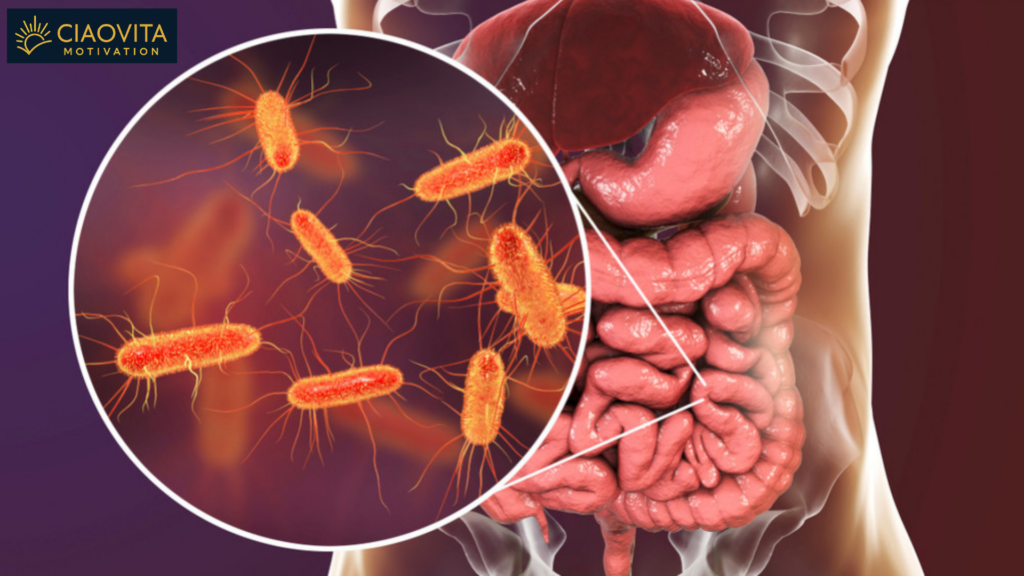
Celiac Disease and Gut Microbiota – The Hidden Connection
How Your Intestinal Bacteria Shape Autoimmune Response
Celiac disease affects millions of people worldwide, yet the condition remains surprisingly misunderstood by most patients and even many healthcare providers. This autoimmune disorder develops when genetically susceptible individuals consume gluten, triggering an immune response that damages the small intestine. However, recent groundbreaking research has revealed something unexpected: the bacteria living in your gut may play an equally important role as genetics and gluten exposure in determining whether you develop this condition.
Scientists now understand that celiac disease involves a complex interaction between your genes, environmental factors and the trillions of microorganisms inhabiting your digestive system. Your gut microbiome acts as a critical intermediary between gluten proteins and your immune system. This discovery opens exciting new possibilities for prevention and treatment that go far beyond simply avoiding gluten-containing foods.
The relationship between intestinal bacteria and celiac disease represents one of the most significant advances in understanding autoimmune conditions in recent years. Multiple systematic reviews and meta-analyses have confirmed that people with celiac disease show consistent and dramatic alterations in their gut microbiota composition. These changes don’t just accompany the disease, they may actually help trigger its development and influence its severity.
What happens to gut bacteria in celiac disease
The bacterial ecosystem in your intestine undergoes profound changes when celiac disease develops. Large-scale studies using next-generation sequencing technology have identified specific patterns that distinguish celiac patients from healthy individuals. These alterations involve both the types of bacteria present and their relative abundance.
Research published in leading gastroenterology journals shows that celiac disease patients experience significant reductions in beneficial bacterial genera. Bifidobacterium and Lactobacillus populations decline substantially, sometimes by more than 70% compared to healthy controls. These bacteria normally produce anti-inflammatory compounds and help maintain the integrity of your intestinal barrier.
Meanwhile, potentially harmful bacteria proliferate in celiac patients. Studies consistently document increased levels of gram-negative bacterial genera including Bacteroides, Prevotella and Escherichia. These organisms can produce lipopolysaccharides and other compounds that promote inflammation and increase intestinal permeability. This bacterial imbalance, known as dysbiosis, creates conditions that may facilitate gluten’s harmful effects.
The extent of dysbiosis correlates with disease activity. Patients with active, untreated celiac disease show more severe microbial imbalances than those in remission. Interestingly, starting a gluten-free diet improves but doesn’t completely normalize the gut microbiota. Even after years of strict dietary adherence, subtle bacterial abnormalities persist in many patients.
Key bacterial changes in celiac disease:
- Decreased protective species: Bifidobacterium longum, Lactobacillus species, Faecalibacterium prausnitzii
- Increased inflammatory species: Bacteroides fragilis, Escherichia coli, Prevotella copri
- Altered diversity: Overall reduction in bacterial species variety
- Functional changes: Reduced production of short-chain fatty acids
- Metabolic shifts: Increased tryptophan metabolism, altered amino acid processing
The timeline: bacteria changes come first
One of the most remarkable discoveries in recent celiac disease research involves the timing of microbial changes. Scientists conducting prospective studies have found that alterations in gut microbiota appear before clinical symptoms develop. This finding has profound implications for understanding disease causation and potentially preventing celiac disease onset.
The Celiac Disease Genomic, Environmental, Microbiome and Metabolomic (CDGEMM) study followed approximately 500 infants with genetic susceptibility from birth. Researchers collected stool samples at regular intervals and used advanced sequencing techniques to track bacterial composition over time. Results published in prestigious scientific journals revealed a clear pattern: children who eventually developed celiac disease showed distinctive microbial signatures months or even years before disease onset.
Specifically, future celiac patients demonstrated reduced abundance of anti-inflammatory bacterial species including Streptococcus thermophilus, Faecalibacterium prausnitzii and Clostridium clostridioforme. Conversely, their guts contained elevated levels of inflammatory species like Dialister invisus and various Lachnospiraceae family members. These bacterial changes occurred alongside alterations in metabolic pathways affecting tryptophan, serine and threonine metabolism.
The predictive value of microbiome patterns suggests that dysbiosis may actively contribute to disease development rather than simply resulting from it. Early bacterial imbalances might create intestinal conditions that promote loss of gluten tolerance. This includes increased intestinal permeability, altered immune cell activation and changes in how gluten peptides get processed and presented to the immune system.
How bacteria influence gluten reactions
The mechanisms through which gut microbiota affects celiac disease involve multiple interconnected pathways. Understanding these biological processes helps explain why bacterial composition matters so much for disease development and progression.
Intestinal bacteria interact directly with gluten proteins. Certain bacterial species possess enzymes that can break down gluten peptides, potentially reducing their immunogenic properties. Beneficial bacteria like Lactobacillus and Bifidobacterium produce proteases that degrade gliadin fragments before they can trigger immune responses. When these protective bacteria decline, more intact gluten peptides survive to reach immune cells.
The gut microbiota profoundly influences intestinal barrier function. Your intestinal lining normally acts as a selective barrier, allowing nutrients through while blocking harmful substances. Beneficial bacteria strengthen this barrier by producing short-chain fatty acids like butyrate, which fuel intestinal cells and promote tight junction integrity. Dysbiosis weakens the barrier, increasing permeability and allowing gluten fragments inappropriate access to immune tissues.
Bacterial metabolites directly modulate immune system activity. Different bacterial species produce distinct compounds that either promote or suppress inflammation. In celiac disease, the dysbiotic microbiota generates more pro-inflammatory metabolites while producing fewer anti-inflammatory molecules. This creates an intestinal environment primed for excessive immune responses to gluten.
The gut microbiota shapes the development and function of immune cells. Specific bacterial species influence whether your immune system develops regulatory T cells that promote tolerance or inflammatory T cells that attack tissues. The bacterial imbalances seen in celiac disease favor inflammatory immune cell development and reduce regulatory populations that would normally prevent autoimmune reactions.
Evidence for probiotic interventions
Given the clear role of gut dysbiosis in celiac disease, researchers have investigated whether restoring healthy bacterial populations might help manage the condition. Multiple systematic reviews and meta-analyses have now evaluated probiotic interventions in celiac patients, providing evidence-based guidance.
A comprehensive meta-analysis published in the American Journal of Gastroenterology analyzed six randomized controlled trials involving both adults and children with celiac disease. Results demonstrated that probiotic supplementation significantly improved gastrointestinal symptoms, particularly in patients experiencing persistent problems despite following strict gluten-free diets. The interventions increased populations of beneficial Bifidobacterium and Lactobacillus species.
Another systematic review examining probiotics in celiac disease found improvements in immune markers and quality of life measures. Patients receiving specific probiotic strains showed reduced inflammatory cytokine levels and enhanced production of anti-inflammatory compounds. Some studies documented improvements in intestinal barrier function and nutrient absorption.
The most effective probiotic interventions typically combined multiple bacterial strains rather than single species. Formulations containing Bifidobacterium longum, Lactobacillus plantarum, Lactobacillus casei and other species demonstrated superior results. These multi-strain products appear to address different aspects of the dysbiosis simultaneously.
Important considerations for probiotic use:
- Adjunct therapy: Probiotics complement but don’t replace gluten-free diet
- Strain specificity: Different bacterial strains have different effects
- Duration matters: Benefits typically require weeks of consistent use
- Individual variation: Response varies based on existing microbiota
- Quality concerns: Choose products with documented strain identity and viability
However, researchers emphasize that current evidence, while promising, remains limited. Most studies involved relatively small numbers of participants and short treatment durations. Larger, longer-term clinical trials are needed to establish optimal probiotic regimens for celiac disease management.
The gluten-free diet paradox
One surprising finding from microbiome research involves the effects of gluten-free diets on gut bacteria. While these diets effectively manage celiac disease symptoms by eliminating the triggering antigen, they create their own challenges for maintaining healthy gut microbiota.
Multiple studies have documented that long-term gluten-free diets alter bacterial composition in ways that may not be entirely beneficial. Gluten-containing whole grains provide important prebiotic fibers that feed beneficial gut bacteria. When patients eliminate these foods, they often inadvertently reduce their intake of compounds that support microbial diversity.
Research shows that people following strict gluten-free diets may have lower populations of certain beneficial bacterial species compared to healthy individuals eating regular diets. The restricted diet can reduce overall bacterial diversity, which generally correlates with poorer health outcomes. Additionally, many gluten-free processed foods contain more sugar, fat and additives than their gluten-containing counterparts, further affecting bacterial composition.
This doesn’t mean celiac patients should consume gluten, which remains toxic for them. Instead, it highlights the importance of maintaining a nutritionally diverse gluten-free diet rich in vegetables, fruits, legumes and naturally gluten-free whole grains like quinoa and brown rice. These foods provide the prebiotic compounds that support healthy gut bacteria.
Future directions and personalized approaches
The evolving understanding of microbiome-celiac disease connections is opening new avenues for diagnosis, prevention and treatment. Several promising research directions may transform how we approach this condition in coming years.
Scientists are developing microbiome-based biomarkers that could help predict celiac disease risk before symptoms appear. By analyzing bacterial composition in at-risk individuals, doctors might identify who needs closest monitoring or might benefit from preventive interventions. This predictive approach could enable earlier diagnosis and treatment.
Researchers are exploring targeted microbiome modulation strategies beyond simple probiotics. These include designer prebiotics that selectively feed beneficial bacteria, next-generation probiotics containing novel bacterial strains, and even fecal microbiota transplantation to comprehensively reset dysbiotic communities. Early studies of these approaches show promise but require extensive additional research.
The concept of personalized microbiome-based therapy is gaining traction. Rather than using the same probiotic for everyone, future treatments might involve analyzing each patient’s specific bacterial deficiencies and tailoring interventions accordingly. This precision medicine approach could maximize benefits while minimizing unnecessary interventions.
Understanding gut bacteria’s role in celiac disease may also inform prevention strategies. Researchers are investigating whether modifying infant microbiomes through maternal diet, breastfeeding practices or early-life probiotic supplementation might reduce celiac disease risk in genetically susceptible children. While still speculative, this preventive approach represents an exciting possibility.
Conclusion
The relationship between celiac disease and gut microbiota represents a paradigm shift in understanding autoimmune conditions. Rather than viewing celiac disease solely as a genetic condition triggered by gluten, we now recognize it as involving complex interactions between genes, environment and the microbial ecosystem inhabiting our intestines.
Evidence clearly demonstrates that people with celiac disease have profoundly altered gut microbiota characterized by reduced beneficial bacteria and increased potentially harmful species. These changes don’t just accompany the disease, they may actively contribute to its development by affecting intestinal barrier function, gluten metabolism and immune system regulation.
Perhaps most importantly, bacterial alterations appear before symptoms develop, suggesting that microbiome changes play a causative role rather than simply resulting from disease. This temporal relationship opens possibilities for using microbiome analysis to predict who will develop celiac disease and potentially intervene before symptoms begin.
While the standard treatment for celiac disease remains strict gluten avoidance, emerging evidence supports adjunctive therapies targeting the gut microbiota. Probiotic supplementation shows promise for reducing persistent symptoms and improving quality of life, though more research is needed to establish optimal protocols. The gluten-free diet itself creates challenges for maintaining healthy gut bacteria, emphasizing the need for nutritionally diverse food choices.
Looking forward, the microbiome connection offers hope for more effective celiac disease management through personalized approaches that restore healthy bacterial populations. As research continues, we may see prevention strategies that modify gut microbiota in at-risk individuals before disease develops. Understanding how trillions of bacteria influence this condition provides new tools for helping the millions of people affected by celiac disease worldwide.
If you have celiac disease or genetic risk factors, discussing microbiome-targeted strategies with your healthcare provider may complement standard dietary treatment. While science continues advancing, maintaining a diverse, nutritious gluten-free diet that supports beneficial gut bacteria remains foundational for optimal health.
References
- Seiler CL, Kiflen M, Stefanolo JP, Bai JC, Bercik P, Kelly CP, et al. Probiotics for Celiac Disease: A Systematic Review and Meta-Analysis of Randomized Controlled Trials. Am J Gastroenterol. 2020;115(10):1584-95.
- Akobeng AK, Singh P, Kumar M, Al Khodor S. Role of the gut microbiota in the pathogenesis of coeliac disease and potential therapeutic implications. Eur J Nutr. 2020;59(8):3369-90.
- Mozafarybazargany M, et al. The effects of probiotics on gastrointestinal symptoms and microbiota in patients with celiac disease: A systematic review and meta-analysis on clinical trials. Clin Exp Med. 2023;23(4):1713-28.
- Luz VCC, Pereira SG. Celiac disease gut microbiome studies in the third millennium: reviewing the findings and gaps of available literature. Front Med Technol. 2024;6:1413.
- Matera M, Guandalini S. How the Microbiota May Affect Celiac Disease and What We Can Do. Nutrients. 2024;16(12):1882.
- Leonard MM, et al. Microbiome signatures of progression toward celiac disease onset in at-risk children in a longitudinal prospective cohort study. Proc Natl Acad Sci USA. 2021;118(29)
© 2025 Alice & Marcus Guimarães. All rights reserved.This site is proudly created with WordPress.