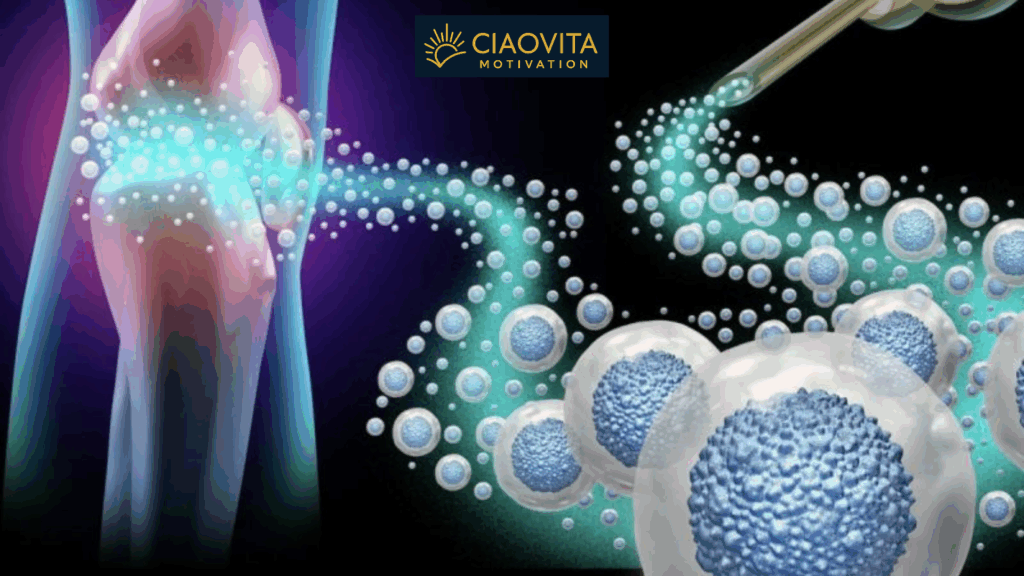
Adipose-Derived Stem Cells for Knee Osteoarthritis Relief
Stromal Vascular Fraction and Natural Joint Healing Explained
Knee osteoarthritis affects more than 500 million people worldwide, making it one of the leading causes of disability in adults over 50. The pain, stiffness and loss of mobility that come with this condition can make everyday tasks, climbing stairs, walking to the mailbox, or rising from a chair, feel overwhelming. Traditional treatments like pain medications, cortisone injections and physical therapy help manage symptoms, but they do not slow the disease or rebuild damaged cartilage. For many patients, total knee replacement surgery becomes the final option, a major procedure with significant recovery time and its own set of risks.
Now, a rapidly growing body of clinical evidence is challenging this status quo. Adipose-derived stem cells, healing cells extracted from your own body fat, are showing remarkable potential as a treatment for knee osteoarthritis. Rather than masking pain, these cells work with your body’s natural repair systems to reduce inflammation, protect cartilage and potentially slow the disease process. A landmark 2023 Phase III randomized controlled trial involving 261 patients confirmed that this therapy produces significant, sustained improvements in pain and physical function. This article explains the science in plain language, reviews the strongest clinical evidence available and helps you understand what this therapy can and cannot do.
What Makes Adipose-Derived Stem Cells so Powerful
Your body fat is far more than an energy reserve. Hidden within adipose tissue, the medical term for body fat, are specialized cells called mesenchymal stem cells. These cells have a remarkable ability: they can transform into different tissue types, including bone, cartilage and muscle. More importantly, they release powerful biological substances that reduce inflammation, promote blood vessel formation and support the body’s own repair processes.
When doctors harvest adipose tissue, they extract a mixture called the stromal vascular fraction, or SVF. Think of SVF as a complete biological repair kit rather than a single tool. It does not contain just stem cells, it also includes supporting cells, growth factors, immune-regulating molecules and tiny communication packages called extracellular vesicles. All of these components work together to create an environment inside your joint that favors healing over destruction.
What makes adipose tissue particularly attractive as a stem cell source is sheer abundance. Fat tissue contains approximately 500 times more stem cells than an equivalent volume of bone marrow. This makes collection far more efficient. Doctors can harvest sufficient cells through a minor liposuction procedure, typically from the abdomen or buttocks, under local anesthesia as an outpatient visit. No general anesthesia, no hospital stay and no extensive laboratory culturing is necessary for SVF-based treatments.
The stromal vascular fraction extracted from fat tissue typically contains five key components:
- Mesenchymal stem cells — the primary healing agents that can differentiate into cartilage-producing chondrocytes
- Preadipocytes — cells that support the stem cell environment and contribute growth factors
- Endothelial progenitor cells — cells that help form new blood vessels to nourish damaged tissue
- Macrophages — immune cells that help regulate the inflammatory response inside the joint
- Growth factors — biological signaling molecules including TGF-β, VEGF and IGF-1 that directly support tissue repair
This rich cellular mixture gives adipose-derived stem cells a therapeutic advantage over simpler approaches like corticosteroid injections, which provide only temporary anti-inflammatory effects without any regenerative activity. Two main treatment approaches have emerged in clinical practice: same-day SVF injection and culture-expanded ADMSC injection (where cells are grown in a lab for several weeks to increase their number and purity before injection).
If you want to understand the broader world of adipose stem cell applications beyond the knee, our in-depth article on adipose-derived stem cells in orthopedics provides an excellent overview of the expanding field. For a broader understanding of how stem cell therapy is transforming medicine, see also our article on stem cell therapy and natural healing for knee pain and chronic conditions.
How Adipose-Derived Stem Cells Actually Work Inside Your Knee
Understanding what happens after injection helps set realistic expectations. When adipose-derived stem cells enter an arthritic knee joint, they do not simply sit passively and slowly rebuild cartilage like bricklayers restoring a damaged wall. The process is far more dynamic and more indirect.
The damaged cartilage and inflamed joint tissues send out chemical distress signals. These signals activate the injected cells almost immediately. In response, the stem cells release a cascade of beneficial substances: anti-inflammatory molecules that calm the destructive immune activity inside the joint, growth factors that stimulate cartilage cells to increase production of protective compounds, and extracellular vesicles, tiny biological packages, that carry healing instructions directly into damaged tissue cells.
Interestingly, most of the injected stem cells do not survive long inside the joint. However, before they die, they accomplish something critical: they activate the resident stem cells already living in your joint tissues. These local cells then take over the healing process and sustain it long after the injected cells are gone. Scientists call this the paracrine mechanism, the injected cells act as a trigger rather than as the long-term workers. Think of it like lighting a fire that keeps burning after the match is extinguished.
One of the most important actions of adipose-derived stem cells is their ability to convert inflammatory macrophages, immune cells that accelerate cartilage destruction, into anti-inflammatory macrophages that support repair. This effectively changes the joint environment from one of chronic destruction to one of active healing, targeting the core problem in knee osteoarthritis.
MRI evidence supports these cellular events at the tissue level. Studies using a sensitive measurement called T2 mapping, which detects changes in cartilage water content and structure, have shown measurable improvements in cartilage quality in treated patients at 12 months. These findings suggest that adipose-derived stem cells may genuinely modify the disease process rather than simply providing temporary pain relief.
To understand why protecting cartilage is so critical at the molecular level, our article on cartilage proteoglycans and joint health explains the structural foundations of healthy cartilage and what happens when they break down under the pressure of knee osteoarthritis.
What the 2023 Phase III Clinical Trial Reveals
The strongest evidence for adipose-derived stem cells in knee osteoarthritis comes from a landmark study published in the American Journal of Sports Medicine in 2023. This was a Phase III randomized, double-blind, placebo-controlled clinical trial — the highest level of evidence in medicine, conducted across multiple centers with rigorous scientific controls.
The study enrolled 261 patients with moderate-to-severe knee osteoarthritis (Kellgren-Lawrence grade 3), meaning patients had significant joint space narrowing and visible bone changes on X-ray. Half the patients received a single intra-articular injection of autologous culture-expanded adipose-derived stem cells. The other half received a placebo injection. Neither the patients nor the treating physicians knew who received the real treatment.
The results were clear and clinically meaningful. Patients who received adipose-derived stem cells reported significantly greater reductions in pain scores compared to the placebo group. Functional outcomes, measured using validated questionnaires that assess walking, stair climbing and daily activities, also improved significantly in the treated group. These improvements were sustained through the entire follow-up period.
The safety profile was excellent. No serious adverse events occurred in the treatment group. Some patients experienced temporary joint swelling and discomfort after injection, which resolved within a few days. No infections, blood clots or major complications were reported. This outstanding safety record is particularly significant given the well-known risks of long-term non-steroidal anti-inflammatory drug use or repeated cortisone injections.
The Phase III designation matters enormously. Phase I and II trials test safety and preliminary efficacy in small groups. A Phase III trial tests whether a treatment actually works in a large, diverse patient population under controlled conditions. This study provides the level of evidence that regulatory agencies and clinical guidelines require before recommending new therapies.
If you are exploring all your options for knee osteoarthritis, our article on why PRP and stem cells outperform traditional treatments compares regenerative approaches side by side. You can also explore how platelet-rich plasma for knee pain complements the stem cell approach as part of a broader regenerative medicine strategy.
ADMSCs vs Stromal Vascular Fraction — What a Major Meta-Analysis Reveals
Not all adipose-derived stem cell treatments are identical. Understanding the difference between two main approaches is essential for choosing the right therapy and setting realistic expectations.
The first approach uses raw stromal vascular fraction (SVF) extracted same-day from the patient’s fat tissue, a heterogeneous mixture of cells processed in about 90 minutes. The second involves culturing and expanding the mesenchymal stem cells in a laboratory over several weeks to achieve a much higher, purer cell concentration before injection.
A comprehensive 2024 systematic review and meta-analysis published in Stem Cell Research & Therapy analyzed 31 studies involving 1,406 patients, by far the largest analysis of adipose-based regenerative medicine for knee osteoarthritis ever conducted. Its findings offer the clearest clinical guidance yet.
The key finding: autologous-cultured adipose-derived stem cells (ADMSCs) produced significant pain reduction starting at 3 months after injection, while stromal vascular fraction therapy showed significant pain relief starting at 12 months. This timing difference is clinically important. If you need faster relief — perhaps to avoid surgery in the near term — cultured ADMSCs may be more appropriate. If you can tolerate a longer therapeutic window, SVF remains a simpler and more accessible option.
The reason for this difference likely relates to cell concentration and purity. Culture-expanded ADMSCs deliver millions of purified stem cells in a highly concentrated form. SVF, while faster and simpler to prepare, contains a more heterogeneous mixture where stem cells represent only a fraction of the total population. More concentrated stem cells produce faster and more potent biological signaling inside the joint.
What about long-term results? A 2024 study published in Archives of Orthopaedic and Trauma Surgery tracked patients treated with autologous microfragmented adipose tissue — a minimally processed form of SVF, for four full years after treatment. The results showed that 68% of patients still reported meaningful clinical benefit at the four-year mark. This represents the longest follow-up data available for any adipose-derived cell therapy in knee osteoarthritis and provides the first real evidence of sustained long-term benefit.
A separate systematic review published in Medicina that focused on studies with more than two years of follow-up also identified three reliable predictors of treatment success: younger age, lower body mass index and Kellgren-Lawrence grade II to III osteoarthritis (moderate rather than advanced disease). These findings help clinicians identify ideal candidates before committing to treatment.
📌 ADMSCs vs SVF — Key Clinical Differences at a Glance |
• Cultured ADMSCs: significant pain relief starts at 3 months — faster results, higher cell purity |
• SVF (same-day): pain relief starts at 12 months — simpler procedure, lower cost |
• Both approaches show sustained benefits; 68% of SVF patients still benefit at 4 years |
• Best candidates: K-L grade II–III, lower BMI, younger biological age |
• Advanced bone-on-bone (K-L grade IV) arthritis responds poorly to either approach |
For context on how adipose-derived stem cells compare to bone marrow-derived cells and how aging affects the quality of each source, our article on how aging affects bone marrow, muscle and fat cell sources provides essential background for making informed treatment decisions.
Who Benefits Most, What to Expect and the Future of Treatment
Understanding who is a good candidate for adipose-derived stem cell therapy is just as important as understanding how the treatment works. Clinical evidence consistently shows that not all patients respond equally, and selecting the right candidates dramatically improves outcomes.
Four factors consistently predict better treatment success:
- Disease stage: Kellgren-Lawrence grade II or III osteoarthritis responds significantly better than grade IV (bone-on-bone). In advanced disease, the joint damage is too extensive for regenerative medicine to provide meaningful benefit — cartilage restoration is impossible when there is no cartilage base remaining.
- Age: Younger patients respond better. The quality and quantity of mesenchymal stem cells in adipose tissue decline with age, and younger joint tissues retain more capacity to respond to regenerative signals.
- Body mass index (BMI): A lower BMI is associated with better outcomes. Excess body weight increases mechanical load on the joint and creates a pro-inflammatory systemic environment that can counteract the anti-inflammatory effects of stem cell therapy.
- Overall health: Patients without major metabolic disorders, uncontrolled diabetes or active infections tend to respond better and experience fewer complications after injection.
What should you expect after treatment? The healing timeline follows a predictable pattern. In the first three to five days after injection, you may notice increased joint swelling and mild discomfort. This is not a sign of failure, it reflects the joint’s immune system activating in response to the procedure. Over the following three to six weeks, anti-inflammatory effects begin to predominate and most patients notice gradual pain reduction and improved mobility. The maximum benefit window typically extends from three to twelve months, with some patients reporting continued improvement beyond that point.
On the cost side, adipose-derived stem cell therapy currently requires out-of-pocket payment in most countries, including the United States. Costs typically range from several thousand to over ten thousand dollars per treatment, depending on the facility and whether SVF or culture-expanded ADMSCs are used. Insurance coverage remains limited because regulatory bodies still classify most of these therapies as experimental for knee osteoarthritis.
The emerging science of allogeneic treatments — using donor cells rather than the patient’s own — represents the next frontier. A 2024 Phase I/IIa randomized controlled trial tested an off-the-shelf allogeneic adipose-derived stem cell preparation. The results showed a favorable safety profile and meaningful pain reduction, suggesting that standardized donor-based stem cell therapies may soon offer a more accessible alternative to autologous approaches.
A 2023 Phase II triple-blind placebo-controlled trial also confirmed that allogeneic adipose-derived stem cells reduce cartilage inflammatory markers in the synovial fluid, demonstrating measurable biological activity at the disease level — not just symptom-level pain reduction.
Combination approaches are also gaining research momentum. Pairing adipose-derived stem cells with platelet-rich plasma (PRP) may amplify therapeutic outcomes, as the growth factors in PRP appear to boost the healing signals from stem cells. Our article on bone marrow stem cells for knee pain relief offers a direct comparison between fat-derived and bone-marrow-derived approaches as you evaluate your options.
A growing area of research is also uncovering a surprising connection between gut microbiome health and joint inflammation. Gut bacteria influence systemic inflammatory levels, which in turn affect knee osteoarthritis progression. We explore this connection in depth in our article on the gut microbiome and osteoarthritis.
For patients with advanced knee osteoarthritis who may eventually need total knee replacement regardless, improving physical fitness beforehand remains critical. Our guide to preoperative rehabilitation before total knee replacement explains how preparing your body before surgery dramatically improves surgical outcomes and speeds recovery.
Conclusion
Adipose-derived stem cells represent one of the most scientifically grounded advances in treating knee osteoarthritis. The evidence has grown dramatically in recent years. A Phase III randomized controlled trial with 261 patients confirmed meaningful pain and function improvements. A meta-analysis of 31 studies covering over 1,400 patients clarified how quickly each type of adipose therapy works and confirmed long-term durability. Four-year follow-up data showed that 68% of patients maintained meaningful benefit years after a single treatment. These are not minor findings, they represent a genuine shift in what is possible for millions of people living with knee pain.
At the same time, realistic expectations matter. Adipose-derived stem cell therapy works best in patients with moderate rather than severe disease. Advanced bone-on-bone arthritis is unlikely to benefit meaningfully. And long-term data beyond four to five years remains limited — we do not yet know whether these therapies slow disease progression enough to permanently prevent joint replacement in most patients.
The science is moving fast. What was experimental just five years ago now has Phase III trial data behind it. If you are living with knee osteoarthritis and want to explore options beyond conventional care, this therapy deserves serious consideration and a thorough conversation with a specialist experienced in regenerative medicine.
For a deeper look at how nutrition, metabolism and genetic factors affect knee osteoarthritis treatment success, explore our evidence-based article on optimizing knee osteoarthritis treatment.
References
1. Kim KI, Lee MC, Lee JH, Moon YW, Lee WS, Lee HJ, Hwang SC, In Y, Shon OJ, Bae KC, Song SJ, Park KK, Kim JH. Clinical efficacy and safety of the intra-articular injection of autologous adipose-derived mesenchymal stem cells for knee osteoarthritis: a phase III, randomized, double-blind, placebo-controlled trial. Am J Sports Med. 2023;51(9):2243–2253. PMID: 37345256
2. Lee H, Lim Y, Lee SH. Rapid-acting pain relief in knee osteoarthritis: autologous-cultured adipose-derived mesenchymal stem cells outperform stromal vascular fraction: a systematic review and meta-analysis. Stem Cell Res Ther. 2024;15(1):446. Full text
3. Onorato F, Rucci M, Alessio-Mazzola M, Bistolfi A, Castagnoli C, Formica M, Ferracini R. Autologous microfragmented adipose tissue treatment of knee osteoarthritis demonstrates effectiveness in 68% of patients at 4-year follow-up. Arch Orthop Trauma Surg. 2024;144(9):3925–3935. PMID: 38212589
4. Goncharov EN, Koval OA, Bezuglov EN, et al. Stromal vascular fraction therapy for knee osteoarthritis: a systematic review. Medicina (Lithuania). 2023;59(12):2090. PMC full text
5. Freitag J, Chamberlain M, Wickham J, Shah K, Cicuttini F, Wang Y, Wills R, Bucher T. Safety and efficacy of an allogeneic adipose-derived mesenchymal stem cell preparation in the treatment of knee osteoarthritis: a Phase I/IIa randomised controlled trial. Osteoarthritis Cartilage Open. 2024;6(3):100500. Full text
6. Sadri B, Hassanzadeh M, Bagherifard A, Mohammadi J, Alikhani M, Moeinabadi-Bidgoli K, et al. Cartilage regeneration and inflammation modulation in knee osteoarthritis following injection of allogeneic adipose-derived mesenchymal stromal cells: a phase II, triple-blinded, placebo controlled, randomized trial. Stem Cell Res Ther. 2023;14:162. PMID: 37311965
7. Tsubosaka M, Matsumoto T, Sobajima S, Matsushita T, Iwaguro H, Kuroda R. The influence of adipose-derived stromal vascular fraction cells on the treatment of knee osteoarthritis. BMC Musculoskelet Disord. 2020;21:207.
© 2025 Alice & Marcus Guimarães. All rights reserved.This site is proudly created with WordPress.