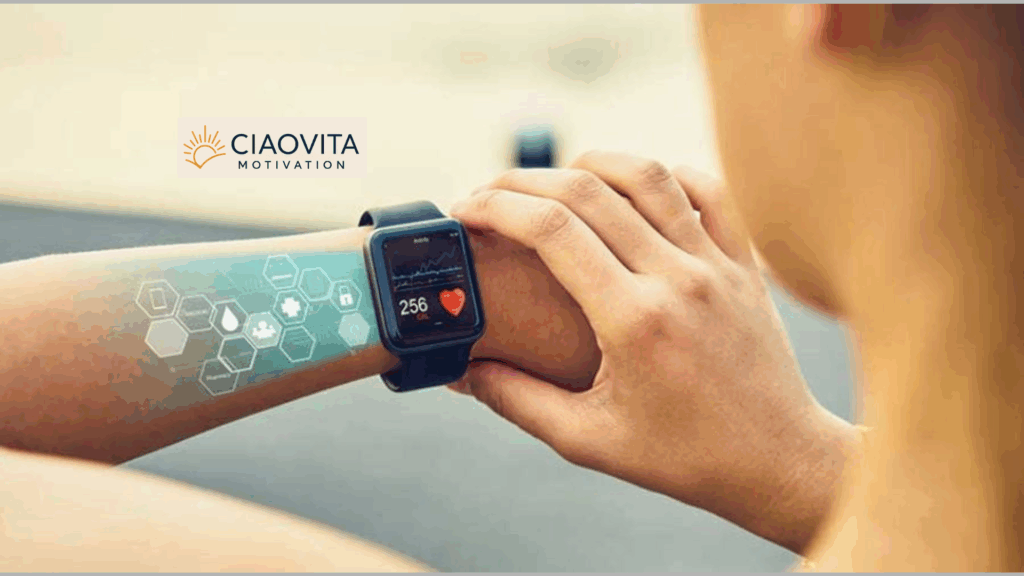
Wearable Technology: Medical Device or Wellness Tool?
Understanding What Your Fitness Watch Really Measures
Wearable technology has transformed how we monitor daily health, but a critical question remains unanswered for most users: is your fitness tracker a legitimate medical device or simply a wellness companion? This distinction matters more than you might think, especially as these devices become increasingly sophisticated and integrated into healthcare decisions.
The explosion in wearable technology adoption reflects a broader cultural shift toward self-monitoring and preventive health. Fitness trackers consistently rank as top fitness trends globally, maintaining dominance from 2016 through 2024. These devices now track far more than steps. Modern wearable technology monitors heart rate continuously, measures blood oxygen saturation, detects irregular heart rhythms, analyzes sleep patterns and even tracks body temperature variations.
A comprehensive 2022 scoping review analyzing 179 studies with 10.8 million participants revealed that fitness trackers (45.5%) and accelerometer-based devices (25.9%) dominate the market. The most commonly tracked metrics include steps (53.1% of studies), heart rate monitoring (30.7%) and sleep duration (28.5%). However, this technological advancement creates confusion about what these measurements actually mean for your health.
Understanding the fundamental difference between health tracking and medical diagnosis becomes essential. When your smartwatch displays a heart rate of 85 beats per minute or flags an irregular rhythm alert, what should you do with that information?
Health Data Versus Medical Information: The Critical Distinction
The World Health Organization defines health as “a state of complete physical, mental and social well-being and not merely the absence of disease.” Wellness typically refers to the active pursuit of health through lifestyle choices and behavioral patterns. Medicine, conversely, deals with diagnosing, treating and preventing disease. This philosophical distinction translates directly into how wearable technology functions and what it can legitimately claim.
Health and wellness features in wearable technology provide real-time measurements of physical activity, sedentary behavior and sleep parameters. These metrics help you understand your daily patterns and make informed lifestyle adjustments. For instance, tracking your daily step count allows you to see whether you met your movement goals, while sleep tracking reveals how many hours you rested last night. This information supports general wellness and longevity without making medical claims.
Medical features require approval from regulatory bodies like the FDA in the United States before manufacturers can market them for specific medical purposes. These features must undergo rigorous clinical trials demonstrating accuracy, reliability and safety. A 2024 systematic review and meta-analysis published in JMIR mHealth and uHealth examined 28 studies involving 1,226,801 participants to evaluate whether wearable activity trackers can detect diseases and medical events in real-world conditions.
The challenge for everyday users stems from modern devices combining both types of features within the same product. Your Apple Watch or Fitbit might track steps (wellness) and simultaneously monitor for atrial fibrillation (medical) using the same hardware. Distinguishing between these functions requires understanding what each measurement actually represents and its limitations.
Heart Rate Monitoring: Wellness Tool with Medical Implications
Heart rate monitoring exemplifies how wearable technology blurs the line between wellness and medical tracking. Most fitness watches use photoplethysmography (PPG), which employs light sensors on your wrist to detect blood flow changes with each heartbeat. This technology works reasonably well at rest and during low-intensity activities, providing useful feedback about exercise intensity and recovery patterns.
A comprehensive 2020 systematic review published in JMIR mHealth and uHealth analyzed 158 publications examining nine different commercial wearable device brands. The research found that Apple Watch and Garmin demonstrated the most accurate heart rate measurements, while Fitbit tended toward underestimation. In laboratory-based settings, Fitbit, Apple Watch and Samsung appeared to measure steps accurately.
However, accuracy decreases significantly during high-intensity exercise, when you probably care most about knowing your exact heart rate. Factors like skin tone, temperature, humidity, sweat accumulation and how tightly you wear the device all influence measurement quality. The research confirmed that while devices perform well under optimal conditions, performance varies considerably during dynamic activities like stair climbing, resistance training or trail running.
For wellness purposes, these limitations matter less. If your goal involves staying within a moderate intensity zone during your morning jog, approximate heart rate data helps guide your effort level even if it’s off by a few beats per minute. The trend over time provides valuable information about your cardiovascular fitness improvements. As you become fitter through regular physical activity, you’ll notice your heart rate drops for the same running pace, indicating positive adaptation regardless of whether the exact number perfectly matches a medical-grade monitor.
Understanding heart rate zones adds another layer of complexity. Different wearable technology brands define intensity zones differently and these definitions don’t always align with exercise science standards. Most devices estimate maximum heart rate using the formula 220 minus your age. This equation provides a rough approximation but can be inaccurate by 10 to 15 beats per minute in either direction.
The Medical Breakthrough: Detecting Atrial Fibrillation
While many wearable technology features fall into the wellness category, some devices now include genuinely medical capabilities that could save lives. Atrial fibrillation detection represents the most significant medical advancement in consumer fitness watches. Atrial fibrillation, often called AFib, involves irregular heartbeats that feel like fluttering or racing in your chest. Many people with AFib experience minimal or no symptoms, remaining unaware they have this condition despite facing significantly increased stroke risk.
AFib affects approximately 1% of the global population, with prevalence increasing dramatically with age. The condition causes blood to pool in the heart’s upper chambers, potentially forming clots that can travel to the brain and cause strokes. Early detection allows doctors to prescribe anticoagulant medications that effectively prevent these devastating complications.
The 2024 meta-analysis examining real-world accuracy of wearable activity trackers for detecting medical conditions revealed remarkable findings. For atrial fibrillation detection, pooled positive predictive value reached 87.4%, sensitivity achieved 94.2%, and specificity hit 95.3%. These diagnostic-grade results came from studies using devices like Fitbit, Apple Watch and Oura Ring in everyday free-living conditions rather than controlled laboratory settings.
For COVID-19 detection, the meta-analyses showed a pooled area under the curve of 80.2%, an accuracy of 87.5%, a sensitivity of 79.5%, and specificity of 76.8%. For fall detection, pooled sensitivity reached 81.9% and specificity was 62.5%. These findings demonstrate that wearable activity trackers show promise in disease detection, with notable accuracy in identifying atrial fibrillation and infectious diseases.
Current AFib detection features work by analyzing the pattern of heartbeats detected through wrist sensors. Sophisticated algorithms identify irregularities characteristic of AFib, distinguishing it from normal heart rhythm variations. Some devices offer two approaches: passive monitoring that alerts you if irregular rhythms occur during rest or sleep and active ECG recordings you can initiate anytime by placing your finger on the watch crown for 30 seconds.
Understanding the limitations of AFib detection remains crucial. These features specifically screen for atrial fibrillation but cannot detect other heart rhythm abnormalities like atrial flutter, ventricular tachycardia or premature ventricular contractions. If your device doesn’t flag AFib, that result means only that AFib wasn’t detected at that specific moment.
Blood Oxygen Monitoring: Wellness Feature with Medical Potential
Blood oxygen saturation, abbreviated as SpO2, represents another metric that wearable technology now tracks routinely. SpO2 indicates the percentage of hemoglobin in your blood carrying oxygen, with normal values typically ranging from 95% to 100%. Traditional SpO2 measurement uses medical pulse oximeters clipped to your fingertip, while fitness watches estimate SpO2 using the same PPG sensors that measure heart rate.
Currently, SpO2 measurements from wearable technology fall into the wellness category rather than being FDA-approved for medical purposes. Apple explicitly states that “Blood Oxygen app measurements are not intended for medical use, including self-diagnosis or consultation with a doctor and are only designed for general fitness and wellness purposes.”
Despite this wellness classification, research suggests potential medical applications. The 2020 narrative systematic review on wearable health devices in healthcare examined 82 relevant papers drawn from 960 studies. The research analyzed applications across health and safety monitoring, chronic disease management, disease diagnosis and treatment and rehabilitation.
The review noted that wearable devices can monitor respiratory rate, blood oxygen saturation and other vital signs for patients with chronic obstructive pulmonary disease (COPD) and other respiratory conditions. These capabilities show promise for early detection of condition deterioration, though current parameters monitored (symptoms, pulse oximetry and lung volume) weren’t always reliable indicators for predicting exacerbation.
From a wellness perspective, SpO2 tracking helps you understand how your body responds to different situations. Some athletes monitor SpO2 during high-altitude training or mountaineering expeditions to assess acclimatization. Poor sleep quality sometimes correlates with SpO2 drops during the night, particularly in people with undiagnosed sleep apnea.
Predicting Illness: Resting Heart Rate and Temperature Monitoring
Recent research highlights how wellness metrics from wearable technology might help predict illness onset before symptoms fully develop. Your resting heart rate and body temperature typically remain relatively stable, with only small day-to-day variations. Significant deviations from your personal baseline can signal that your immune system is fighting an infection.
The 2024 meta-analysis found that 16 studies (57%) used wearables for diagnosis of COVID-19, with devices successfully identifying symptom onset through changes in heart rate, respiratory rate and heart rate variability. These measurements helped identify COVID-19 before people developed full symptoms, potentially allowing earlier detection than relying on symptoms alone.
These findings carry significant public health implications, particularly for communicable diseases. Earlier awareness of illness allows people to take precautions against spreading infections to others, such as staying home from work or school, avoiding vulnerable individuals and seeking medical attention sooner when appropriate.
Beyond infectious diseases, monitoring your personal baseline for heart rate, temperature and other metrics might eventually help detect various health changes requiring attention. The concept of using your own historical data as the comparison standard makes intuitive sense. A resting heart rate of 65 beats per minute might be perfectly normal for one person but elevated for another whose baseline sits at 55 beats per minute.
Energy Expenditure and Step Counting: Popular but Imperfect
Step counting and energy expenditure tracking represent the most commonly used wearable technology features. The 2022 scoping review found that 53.1% of studies tracked steps as a primary measurement, making it the single most monitored metric across wearable device research.
The 2020 systematic review examining 158 publications reached a definitive conclusion about energy expenditure: “For energy expenditure, no brand was accurate.” This finding held true across all nine commercial wearable device brands examined, including Fitbit, Apple Watch, Samsung, Garmin, Polar, Withings, Misfit, Jawbone and others.
In laboratory-based settings, Fitbit, Apple Watch and Samsung appeared to measure steps accurately. Heart rate measurement was more variable, with Apple Watch and Garmin being the most accurate and Fitbit tending toward underestimation. However, devices are constantly being upgraded and redesigned to new models, suggesting the need for more current reviews and research.
Different devices use different approaches to improve accuracy. Some require movement above a certain acceleration threshold before counting steps, appropriately filtering out subtle arm movements but potentially missing slower walking in elderly or mobility-impaired users. Other devices implement a time filter, only counting movement sustained for at least four seconds as steps.
These limitations matter particularly for people using wearable technology to manage weight. If your device overestimates calories burned during exercise and physical activity by 20% and you eat additional food to compensate for that inflated number, you could inadvertently consume more calories than you actually expended.
Clinical Applications and Healthcare Integration
The 2020 narrative systematic review identified four main application areas for wearable medical devices: health and safety monitoring, chronic disease management, disease diagnosis and treatment, and rehabilitation. The review examined applications across multiple conditions including cardiovascular diseases, pulmonary diseases, diabetes and hypertension.
For cardiovascular disease monitoring, wearable devices now offer continuous ECG monitoring that allows dynamic tracking which conventional ECG does not. The 24-hour ambulatory ECG (Holter monitor) represents a relatively mature wearable medical device currently used in clinics, though comfort issues limit its application in home-based daily monitoring.
For diabetes management, wearable dynamic blood glucose monitoring products have emerged using indirect measurement methods including spectrometry, blood substitution (urine, tears and tissue fluid), counter-ion electroosmosis and microwave technology. The optical method has become the main approach for noninvasive blood glucose detection, though accuracy remains limited by overlap of other blood components’ absorption spectra with glucose.
For hypertension, noninvasive continuous blood pressure measurement represents the development trend. Wearable blood pressure monitors can be divided into cuff type and sleeveless type according to structure. The cuff type has become mainstream due to strong anti-interference and reliability, though repeated inflation and deflation can cause physical discomfort.
Despite promising applications, the wearable medical device industry currently faces several important limitations: difficulties achieving user-friendly solutions, security and privacy concerns, lack of industry standards, and various technical bottlenecks including data accuracy issues, single function focus, poor battery life and equipment safety concerns.
Research Applications and Future Directions
The 2022 scoping review analyzing 179 studies revealed six prominent uses for wearables in health research: correlations between wearable and other physiological data (22.3%), method evaluations (22.3%), population-based research (17.3%), experimental outcome assessment (16.8%), prognostic forecasting (15.6%) and explorative analysis of big data sets (5.6%).
Most studies were observational (71.5%), conducted in North America (52.5%), with 93% of participants (10.1 million) part of global health studies. The wearables were mostly worn on the wrist (73%) and cost less than €200 (63.5%). The most frequent strengths of affordable wearables included validation, accuracy and reliability.
A 2025 scoping review on wearables for continuous monitoring of patient outcomes examined 80 studies focusing on measurable clinical outcomes in non-hospital settings. The review found that 85% of studies focused on monitoring existing chronic diseases while only 15% looked at identifying new diseases. Notably, 97% of observational studies found at least one significant correlation between device parameters and clinical outcomes of interest.
However, only 8% of studies were randomized controlled trials, highlighting a significant gap in high-quality evidence. The review emphasized that while wearables show promise for continuous patient monitoring, more rigorous long-term studies are needed to establish clinical effectiveness and cost-efficiency in chronic disease self-management.
Understanding the Limitations and Risks
Beyond accuracy concerns, wearable technology carries potential risks worth considering. Over-reliance on these devices might create a false sense of security, causing you to overlook symptoms requiring medical evaluation or to neglect other important health factors and preventive measures.
Privacy and data security present additional concerns. Wearable technology collects and stores extensive personal information, including precise location data from GPS features, health metrics, sleep patterns and exercise routines. The 2020 narrative review emphasized that data collection, transfer, preservation and sharing require not only technical solutions but also legal infrastructure development.
For some individuals, particularly those with pre-existing eating disorders or obsessive tendencies, tracking calories and exercise could trigger or worsen unhealthy behaviors. Healthcare providers and fitness professionals recommending wearable technology should consider these potential psychological impacts, especially for vulnerable individuals.
The proprietary nature of algorithms used in wearable technology creates another significant limitation. Companies don’t publicly share exactly how they calculate steps, energy expenditure, training load or other derived metrics. This secrecy prevents independent validation and makes it impossible for researchers to thoroughly evaluate accuracy across different populations and conditions.
Making Wearable Technology Work for You
Despite limitations, wearable technology offers valuable tools when used appropriately with realistic expectations. Understanding that wellness metrics provide general trends rather than precise measurements helps you use these devices effectively. If your goal involves increasing daily physical activity and movement, tracking step trends over weeks and months matters more than whether any individual day’s count is perfectly accurate.
For metrics with medical implications, maintaining regular communication with your healthcare provider becomes essential. If your device alerts you about possible atrial fibrillation, schedule a medical evaluation rather than ignoring the notification or attempting self-diagnosis. Share your wearable technology data with your doctor when relevant, but recognize that wellness metrics alone cannot replace proper medical testing for diagnostic purposes.
Consider your wearable technology as one tool among many for supporting health rather than the definitive source of health information. Combining device data with subjective assessments of how you feel, traditional indicators like energy levels and sleep quality, and periodic medical check-ups provides a more comprehensive picture than relying exclusively on any single information source.
Customizing your device settings and choosing which metrics to track actively can reduce information overload and help you focus on personally relevant data. Not everyone benefits from monitoring every available metric simultaneously. If tracking calories triggers anxiety or obsessive thoughts, disable that feature while continuing to monitor metrics that support your goals without negative psychological impacts.
Conclusion
Wearable technology occupies a unique position between wellness tracking and medical monitoring, with some features falling clearly into one category while others blur the boundaries. Recent systematic reviews and meta-analyses examining over 1.2 million participants provide clarity on this distinction.
Step counting, heart rate monitoring during exercise and sleep tracking provide useful wellness information supporting behavior change and fitness goals. These metrics show reasonable accuracy in laboratory settings but variable performance in real-world conditions. Energy expenditure calculations lack accuracy across all commercial brands and shouldn’t guide dietary decisions.
Atrial fibrillation detection represents a genuinely medical capability that could save lives through early identification of this silent condition. With 94.2% sensitivity and 95.3% specificity demonstrated in large-scale studies, FDA-approved AFib detection features achieve diagnostic-grade performance. Other metrics, like blood oxygen saturation and resting heart rate patterns, occupy a middle ground where wellness tracking shows medical potential requiring further research validation.
The key to maximizing wearable technology benefits involves maintaining realistic expectations, understanding device limitations, recognizing when medical consultation becomes necessary, and viewing your device as a helpful tool rather than a definitive health authority. As technology advances and our understanding grows through rigorous clinical research, these remarkable devices will undoubtedly play an increasingly important role in health management.
By staying informed and using wearable technology thoughtfully, you can harness its power to support your health, wellness and longevity journey effectively while avoiding potential pitfalls.
References
- Singh B, Chastin S, Miatke A, Curtis R, Dumuid D, Brinsley J, et al. Real-World Accuracy of Wearable Activity Trackers for Detecting Medical Conditions: Systematic Review and Meta-Analysis. JMIR Mhealth Uhealth. 2024;12:e56972.
- Fuller D, Colwell E, Low J, Orychock K, Tobin MA, Simango B, et al. Reliability and Validity of Commercially Available Wearable Devices for Measuring Steps, Energy Expenditure, and Heart Rate: Systematic Review. JMIR Mhealth Uhealth. 2020;8(9):e18694.
- Lu L, Zhang J, Xie Y, Gao F, Xu S, Wu X, et al. Wearable Health Devices in Health Care: Narrative Systematic Review. JMIR Mhealth Uhealth. 2020;8(11):e18907.
- Loncar-Turukalo T, Zdravevski E, Machado da Silva J, Chouvarda I, Trajkovik V. Literature on wearable technology for connected health: scoping review of research trends, advances, and barriers. J Med Internet Res. 2019;21(9):e14017.
© 2025 Alice & Marcus Guimarães. All rights reserved.This site is proudly created with WordPress.