
The Pain of Rejection - Why Abandonment Hurts So Much
Understanding social pain through neuroscience and psychology.
Have you ever felt genuine physical pain from emotional rejection? Perhaps your chest tightened when someone ended a relationship, or you experienced real hurt when excluded from a social group. Science now confirms what many have long suspected: rejection and abandonment don’t just hurt emotionally, they activate the same neural networks responsible for processing physical pain. Understanding why rejection hurts so much can help validate your experiences and guide effective healing strategies for mental wellness.
The neuroscience behind social pain
Research conducted at major universities has revolutionized our understanding of social rejection and abandonment. When scientists examined brain activity during experiences of social exclusion, they discovered something remarkable: the anterior cingulate cortex and anterior insula, regions primarily associated with processing physical pain, activate intensely during rejection experiences. This neural overlap explains why we use physical language to describe emotional hurt, saying things like “heartbreak,” “wounded feelings” or feeling “crushed” by rejection.
Studies using functional magnetic resonance imaging have provided compelling evidence for this connection. In one groundbreaking study, researchers asked participants who recently experienced unwanted romantic breakups to view photographs of their former partners while thinking about the rejection. Simultaneously, they applied controlled thermal pain stimuli to the participants’ arms. The brain scans revealed striking similarities in activation patterns between viewing the ex-partner and experiencing physical pain, particularly in the secondary somatosensory cortex and dorsal posterior insula.
The overlap between social rejection and physical pain reaches beyond simple correlation. According to research published in Molecular Psychiatry, when participants received acetaminophen before recalling painful rejection experiences, they reported significantly less emotional distress compared to those who received placebo pills. This finding suggests the physical and emotional pain systems are so intertwined that physical pain relievers can reduce social pain intensity.
Meta-analytic research examining 46 studies with 940 participants found significant activation in both the ventral and dorsal anterior cingulate cortex during social pain experiences. The evidence consistently demonstrates that social rejection triggers genuine neurological pain responses, not merely psychological distress.
Evolutionary origins of rejection sensitivity
Understanding why rejection hurts so much requires examining our evolutionary history. For our hunter-gatherer ancestors, social connection wasn’t merely pleasant, it was essential for survival. Being excluded from one’s tribe often meant facing predators alone, struggling to find food without group support and losing protection from environmental dangers. This reality created intense evolutionary pressure favoring individuals who experienced rejection as profoundly painful.
The brain developed an early warning system to alert us when we risked social exclusion. Those who felt rejection as intensely painful gained an evolutionary advantage because they were more motivated to correct behaviors that threatened group membership. This sensitivity to social exclusion helped our ancestors maintain the relationships necessary for survival and successful reproduction.
Today, even though social rejection rarely threatens our physical survival, our brains still respond with the same alarm intensity developed thousands of years ago. This evolutionary perspective helps explain why rejection sensitivity varies among individuals. Research indicates genetic factors influence how intensely people experience social pain. The mu-opioid receptor gene plays a significant role in both physical and social pain sensitivity.
Studies using positron emission tomography revealed that social rejection significantly activated the mu-opioid receptor system in the ventral striatum, amygdala, midline thalamus and periaqueductal gray. Greater trait resiliency correlated positively with activation during rejection in the amygdala and subgenual anterior cingulate cortex, suggesting this activation provides protective benefits.
The multiple faces of rejection and abandonment
Social rejection manifests in numerous ways throughout life, each capable of triggering the brain’s pain response. Here are the primary forms:
Romantic rejection represents one of the most studied forms. When relationships end, particularly unexpectedly, people often report physical symptoms including:
- Chest pain and tightness
- Appetite changes
- Sleep disturbances
- Compromised immune function
These aren’t merely psychosomatic complaints—they reflect genuine physiological responses to social loss, similar to how your body might respond to chronic stress affecting metabolic health.
Parental rejection and abandonment during childhood create particularly profound effects. Children who experience consistent rejection from caregivers often develop insecure attachment patterns that persist into adulthood. Research on adolescents reveals strong associations between parental rejection and elevated feelings of shame and guilt. The impact extends beyond immediate emotional distress, childhood abandonment experiences predict increased risk for depression and anxiety disorders.
Workplace rejection, whether through job loss, exclusion from professional networks or persistent criticism, activates similar pain pathways. Studies examining medical errors show that patients who feel abandoned by healthcare providers after adverse events experience psychological trauma comparable to the physical harm itself.
Social exclusion in peer groups, particularly during adolescence, represents another powerful form of rejection. Bullying, ostracism and invisibility within social hierarchies all trigger the brain’s pain systems. A systematic review of 52 studies examining psychiatric disorders found that social exclusion plays a major role in borderline personality disorder, major depressive disorder, anxiety, autism spectrum disorder and schizophrenia.
Physical and psychological consequences
The effects of chronic social rejection and abandonment extend far beyond temporary emotional discomfort. When rejection becomes persistent or particularly intense, it can trigger serious mental health consequences.
Mental health impacts include:
- Strong correlations between rejection experiences and depression development
- Elevated risk for anxiety disorders, particularly social anxiety
- Rejection sensitivity—the tendency to anxiously expect and intensely react to rejection
- Difficulty regulating emotions throughout life
Physical health consequences prove equally concerning. According to research on social connections and metabolic health, chronic social exclusion associates with:
- Compromised immune function
- Poor sleep quality
- Elevated cardiovascular stress responses
- Increased inflammation markers
One study examining adolescents revealed that those experiencing higher parental rejection showed significantly elevated shame and guilt, emotions that themselves predict numerous health problems. The trauma of repeated abandonment can create profound developmental disruptions, leading to beliefs about being fundamentally unworthy of love and difficulty trusting others.
Research demonstrates that brief ostracism episodes as short as 2 minutes result in physiological pain responses, need threat and emotional distress. Longer-term ostracism leads to resignation, accompanied by alienation, depression, helplessness and feelings of unworthiness.
Healing strategies and resilience building
Understanding that rejection pain has biological roots opens pathways to effective healing. Several evidence-based approaches demonstrate significant effectiveness:
Therapeutic interventions: Cognitive-behavioral therapy helps individuals recognize and challenge distorted thoughts about rejection, develop healthier relationship patterns and build resilience against future social pain. According to the National Institute of Mental Health, structured therapy significantly reduces rejection-related distress.
Self-compassion practices: Research indicates that treating yourself with the same kindness you’d offer a suffering friend reduces the intensity of rejection-related distress. Self-compassion involves:
- Recognizing that rejection is a universal human experience
- Acknowledging your pain without exaggeration or minimization
- Speaking to yourself with understanding rather than harsh self-criticism
Social support networks: While it may feel counterintuitive to seek connection after social pain, research consistently shows that warm, accepting relationships help repair the damage caused by rejection. Support groups, therapy and trusted friendships provide opportunities to experience acceptance and rebuild trust in social connections, similar to how social connections promote healthy aging.
Mindfulness and meditation practices: Learning to observe rejection pain without becoming overwhelmed helps reduce secondary suffering—the worry about the pain, shame about feeling hurt or fear of future rejection. Regular meditation practice develops emotional regulation skills essential for managing social pain.
Finding meaning and purpose: Research shows that individuals with a strong sense of purpose in life demonstrate greater resilience against rejection experiences. Connecting to values larger than yourself provides a buffer against social pain.
The mu-opioid system plays a crucial role in managing social pain. Greater activation in response to rejection correlates with higher resilience, suggesting that building emotional strength enhances your brain’s natural pain-management systems.
Conclusion
The discovery that social rejection and abandonment activate the same brain regions as physical pain validates what humans have always known intuitively: exclusion genuinely hurts. This isn’t weakness or oversensitivity—it’s biology. Our brains evolved to make rejection painful because social connection meant survival for our ancestors.
Today, understanding the neuroscience behind social pain helps us recognize that feelings of hurt from rejection are real, normal and worthy of compassionate attention. Whether you’re healing from romantic rejection, childhood abandonment, workplace exclusion or peer rejection, remember that your pain is legitimate and recovery is possible.
By combining self-compassion, therapeutic support, healthy relationships and patience, you can heal from social pain and build resilience for future challenges. Your brain’s sensitivity to rejection once protected your ancestors—now you can honor that sensitivity while developing the skills to thrive despite inevitable social disappointments.
The research is clear: social pain is physical pain. Understanding this connection empowers you to seek appropriate help, practice self-compassion and build the emotional resilience necessary for a fulfilling, connected life. Your feelings matter, your pain is real, and healing is within reach.
References
- Eisenberger NI, Lieberman MD, Williams KD. Does rejection hurt? An FMRI study of social exclusion. Science. 2003;302(5643):290-92.
- Kross E, Berman MG, Mischel W, Smith EE, Wager TD. Social rejection shares somatosensory representations with physical pain. Proc Natl Acad Sci USA. 2011;108(15):6270-75.
- Cacioppo S, Frum C, Asp E, Weiss RM, Lewis JW, Cacioppo JT. A quantitative meta-analysis of functional imaging studies of social rejection. Sci Rep. 2013;3:2027.
- Rotge JY, Lemogne C, Hinfray S, et al. A meta-analysis of the anterior cingulate contribution to social pain. Soc Cogn Affect Neurosci. 2015;10(1):19-27.
- Reinhard MA, Dewald-Kaufmann J, Wüstenberg T, et al. The vicious circle of social exclusion and psychopathology: a systematic review of experimental ostracism research in psychiatric disorders. Eur Arch Psychiatry Clin Neurosci. 2020;270(5):521-32.
- Williams KD. Ostracism. Annu Rev Psychol. 2007;58:425-52.
- Hsu DT, Sanford BJ, Meyers KK, et al. Response of the μ-opioid system to social rejection and acceptance. Mol Psychiatry. 2013;18(11):1211-17.
- DeWall CN, MacDonald G, Webster GD, et al. Acetaminophen reduces social pain: behavioral and neural evidence. Psychol Sci. 2010;21(7):931-37.
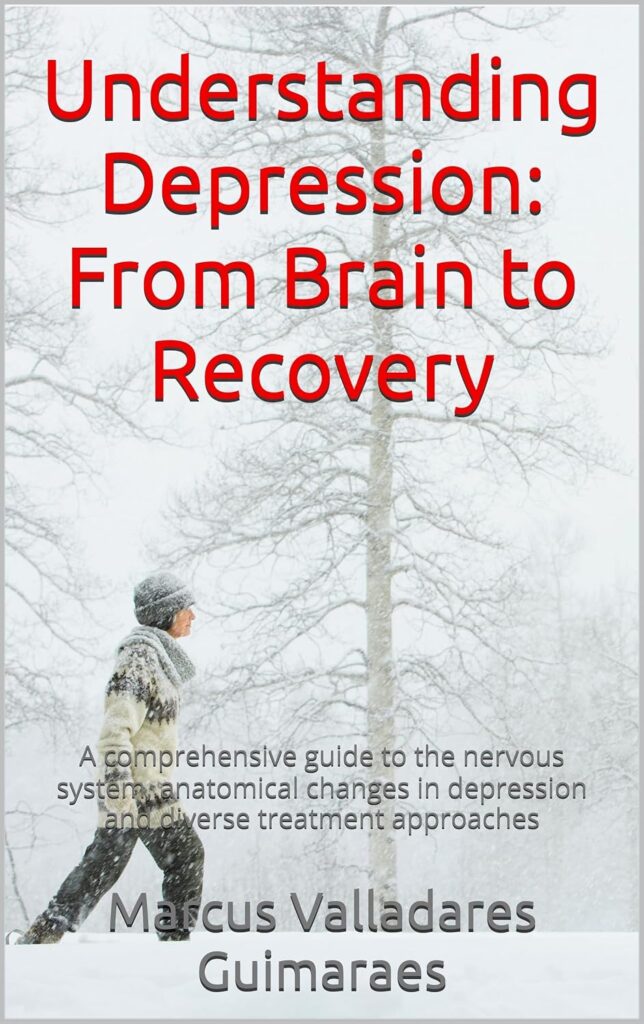
“Understanding Depression: From Brain to Recovery” is an accessible scientific guide that explains depression from neuroanatomy to healing strategies. You will discover how specific brain structures, including the hippocampus, amygdala and prefrontal cortex, are involved in the illness, the different forms of depression and a comprehensive overview of treatments beyond medications. The book dedicates particular attention to physical activity as a neurobiological ally and to Viktor Frankl’s logotherapy for finding meaning in difficulties. Written with clear and rigorous language, it offers practical tools to recognize and address depression, whether for personal experience or to help those you love.
Discover the Complete Guide – Begin Your Journey of Understanding
© 2025 Alice & Marcus Guimarães. All rights reserved.This site is proudly created with WordPress.