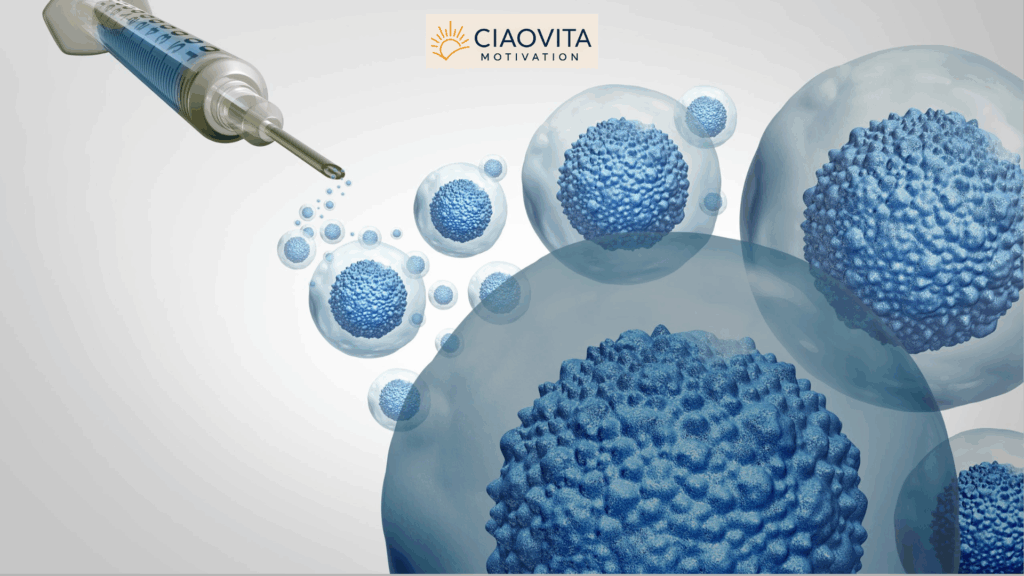
Stem Cells Transform Medicine and Tissue Repair
Revolutionary Bone Marrow Therapy Delivers Natural Healing for Knee Pain and Chronic Conditions
Your body contains millions of specialized cells capable of transforming into virtually any tissue type you need. These remarkable stem cells reside quietly in your bone marrow, ready to repair damage throughout your entire body. Scientists have learned to harness this natural healing power, creating treatments that address conditions conventional medicine struggles to manage effectively.
Bone marrow stem cell therapy represents medicine’s shift from symptom management to actual tissue regeneration. Rather than masking pain with medications or resorting to surgery, doctors now extract your own stem cells, concentrate them and inject them directly into damaged areas. Recent 2024 systematic reviews demonstrate this approach delivers superior outcomes for knee osteoarthritis compared to traditional treatments. Clinical evidence shows 75% of patients experience significant pain reduction lasting up to four years after a single procedure.
This breakthrough extends beyond orthopedics. Research published in 2025 confirms mesenchymal stem cellsdemonstrate therapeutic efficacy across diabetes, heart failure and neurodegenerative conditions. Understanding how these cells work and what treatments deliver real results empowers you to make informed decisions about your health care options.
Understanding bone marrow and mesenchymal stem cells
Bone marrow exists as spongy tissue inside your larger bones, particularly your hip bones. This hidden factory produces two critically important cell types that scientists have learned to harness for therapeutic purposes. Hematopoietic stem cells create all your blood cells, from oxygen-carrying red cells to infection-fighting white cells. Mesenchymal stem cells possess even more remarkable versatility, transforming into bone, cartilage, fat and other supportive tissues your body needs for repair.
When doctors perform bone marrow extraction, they use a specialized needle to access the marrow cavity, typically from your hip bone. The procedure resembles drawing blood but requires local anesthesia because the needle penetrates bone. Most patients tolerate this process well, experiencing minimal discomfort during the brief extraction.
The collected bone marrow can be used immediately as bone marrow aspirate or processed further to create bone marrow aspirate concentrate. Think of concentration like reducing orange juice to remove excess water while maintaining higher levels of beneficial nutrients. Processing removes unnecessary fluid while preserving millions of stem cells and growth factors that promote healing. Recent 2024 meta-analyses confirm concentrated preparations deliver superior clinical outcomes compared to unconcentrated aspirate.
Key characteristics of mesenchymal stem cells include:
- Self-renewal capability allowing continuous cell division
- Differentiation potential to become multiple tissue types
- Immunomodulatory properties reducing harmful inflammation
- Paracrine effects releasing healing signals to surrounding cells
- Low immunogenicity minimizing rejection risk
These properties explain why mesenchymal stem cells have become regenerative medicine’s most studied therapeutic tool. Unlike embryonic stem cells that raise ethical concerns, bone marrow stem cells come from adult tissue with no controversy. The National Institutes of Health recognizes mesenchymal stem cells as promising candidates for treating conditions ranging from cartilage defects to organ failure.
Revolutionary mechanisms of cellular repair
Mesenchymal stem cells orchestrate healing through sophisticated mechanisms scientists have only recently begun to understand. These cells function as biological conductors, coordinating complex repair processes rather than simply replacing damaged tissue like patches on torn fabric.
One fascinating mechanism involves mitochondrial transfer. Mitochondria serve as cellular powerhouses, generating energy needed for normal cell function. When tissues suffer injury or disease, their mitochondria often become damaged and unable to produce adequate energy. Stem cells literally donate their healthy mitochondria to rescue failing cells, similar to sharing a battery to jumpstart a dead car. This mitochondrial rescue helps damaged cells recover function rather than die.
Another crucial mechanism centers on paracrine signaling. Stem cells release powerful growth factors and cytokines that reduce inflammation, recruit other repair cells and coordinate tissue regeneration. These chemical messengers create the ideal environment for healing to occur naturally. Research published in specialized journals demonstrates that stem cells produce vascular endothelial growth factor, transforming growth factor-beta and other molecules that stimulate blood vessel formation and tissue rebuilding.
Stem cells can also fuse directly with damaged cells, combining their genetic material to create stronger, more functional hybrid cells. This cellular fusion represents a sophisticated repair strategy that goes far beyond simple tissue replacement.
Scientists now understand that injected stem cells typically don’t survive long-term in treated tissues. Instead, they perform their healing work quickly through these paracrine and cellular communication mechanisms, then disappear as the body’s own repair processes take over. This discovery changed how researchers view stem cell therapy, shifting focus from cell engraftment to therapeutic effects.
The immunomodulatory properties of mesenchymal stem cells deserve special attention. These cells actively suppress harmful inflammatory responses while preserving beneficial immune function. They accomplish this delicate balance through direct cell-to-cell contact and secretion of anti-inflammatory molecules including interleukin-10 and prostaglandin E2. This immune modulation explains therapeutic success in autoimmune conditions and inflammatory diseases.
Clinical applications in knee osteoarthritis treatment
Knee osteoarthritis affects millions worldwide, causing progressive pain, stiffness and reduced mobility that significantly impacts quality of life. Traditional treatments include anti-inflammatory medications, corticosteroid injections, hyaluronic acid supplementation and eventually total knee replacement surgery. However, these approaches often provide only temporary relief or carry significant risks and limitations.
Recent systematic reviews published in 2024 demonstrate remarkable success using bone marrow aspirate concentrate for knee arthritis treatment. A comprehensive analysis of randomized controlled trials found patients receiving bone marrow therapy experienced statistically significant improvements in pain levels, joint function and walking ability. These benefits lasted up to four years in some studies, far exceeding results achieved with conventional injection therapies.
The treatment protocol typically involves extracting bone marrow from the patient’s hip bone under local anesthesia. Technicians process this aspirate to concentrate the mesenchymal stem cells and growth factors, often increasing cell counts tenfold. Doctors then inject this concentrated preparation directly into the arthritic knee joint using ultrasound or fluoroscopic guidance to ensure precise placement.
Clinical evidence reveals several important findings about bone marrow therapy for knee osteoarthritis. Network meta-analysis data published in Arthroscopy journal shows bone marrow aspirate concentrate outperforms corticosteroids in both pain and function scores at minimum six-month follow-up. Studies comparing bone marrow therapy to platelet-rich plasma found equivalent or superior outcomes, with some patients experiencing better long-term results.
Evidence-based outcomes include:
- Pain reduction on visual analog scale averaging 3.5 points
- Functional improvement on knee injury scores exceeding minimal clinically important difference
- Sustained benefits lasting 24 to 48 months after single injection
- Higher satisfaction rates compared to hyaluronic acid treatment
- Potential to delay or avoid total knee replacement surgery
Importantly, because cells come from the patient’s own body, the risk of rejection or serious adverse reactions remains extremely low. This represents a significant advantage over treatments using artificial materials or drugs that may cause side effects. The most common adverse events reported include temporary pain at extraction and injection sites, with serious complications occurring in less than 1% of procedures.
Research demonstrates that bone marrow therapy works best for patients with mild to moderate arthritis. Those with severe bone-on-bone degeneration may not achieve adequate results and might still require surgery. Patient age, overall health status and body mass index influence treatment outcomes, with younger, healthier individuals generally experiencing better results.
Expanding applications in regenerative medicine
Beyond joint treatments, researchers have developed sophisticated techniques for growing tissues and organs using stem cells. These approaches represent the cutting edge of regenerative medicine, offering hope for conditions previously considered untreatable or requiring organ transplantation.
Bioprinting technology allows scientists to create three-dimensional tissue structures layer by layer, similar to how 3D printers create plastic objects. However, instead of plastic, these biological printers use living cells mixed with supportive biomaterials to build functional tissues. Researchers have successfully printed bone tissue using mesenchymal stem cells combined with calcium phosphate materials that promote bone formation. Early studies show these bioprinted constructs can integrate with native bone and support new tissue growth.
Scaffold technology provides another avenue for tissue regeneration. Scientists create biodegradable frameworks that serve as temporary structures for stem cells to grow upon. These scaffolds gradually dissolve as new tissue forms, leaving behind healthy functional tissue that integrates with surrounding structures. Researchers have used this approach successfully for cartilage repair, bone regeneration and even blood vessel formation.
Multiple clinical trials worldwide have documented safety and effectiveness of stem cell therapies across various conditions. In diabetes research, an umbrella review analyzing 17 systematic reviews found mesenchymal stem cell therapy significantly reduced hemoglobin A1c levels and insulin requirements in type 2 diabetes patients. The review encompassed over 8,000 patients and demonstrated both Wharton’s jelly-derived and bone marrow-derived stem cells delivered superior efficacy compared to other cell sources.
Cardiovascular applications show particular promise. Studies demonstrate bone marrow stem cells improve heart function in patients with severe heart failure following myocardial infarction. Patients receiving intracoronary stem cell infusions showed improved left ventricular ejection fraction and reduced adverse cardiac events compared to standard medical therapy alone.
Neurological research reveals mesenchymal stem cells cross the blood-brain barrier and exert neuroprotective effects. Preclinical studies in spinal cord injury models demonstrate stem cell-derived exosomes reduce inflammation, promote nerve regeneration and improve functional recovery. Clinical trials for stroke, Parkinson’s disease and multiple sclerosis are underway, with early results showing safety and potential efficacy.
Treatment considerations and future directions
Despite promising results, stem cell therapy faces several important challenges that researchers and clinicians continue to address. Quality control represents one significant concern, as treatment effectiveness depends heavily on the viability and characteristics of harvested cells. Factors such as patient age, health status and specific collection technique can influence the quality and quantity of stem cells obtained.
Older patients or those with certain medical conditions may have stem cells with reduced regenerative capacity. Additionally, the anatomical location of bone marrow extraction and specific processing methods used can affect treatment outcomes. Some studies suggest aspirating from multiple sites rather than a single location increases total cell yield and potentially improves results.
Standardization of procedures remains an ongoing challenge. Different medical centers may use varying collection techniques, processing methods and injection protocols, making it difficult to compare results across studies. Professional societies are working to establish standardized protocols that ensure consistent high-quality treatments.
Safety considerations include potential for infection during cell collection and processing, immune reactions in some patients and rare possibility of abnormal cell growth. However, extensive clinical experience demonstrates that serious adverse events remain extremely uncommon when proper protocols are followed. The safety profile of autologous bone marrow therapy compares favorably to many conventional treatments, including long-term corticosteroid use and major surgery.
Emerging technologies continue to expand possibilities for stem cell therapy. Scientists are developing methods to enhance stem cell effectiveness through genetic modifications, chemical treatments and specialized preparation techniques. These advances may allow treatments using fewer cells while achieving better results. Induced pluripotent stem cells represent another exciting frontier, potentially allowing doctors to create personalized stem cell treatments tailored to individual patient needs.
Combination therapies integrating stem cells with other regenerative approaches show particular promise. Research suggests combining stem cell injections with specialized exercise programs, nutritional support or complementary medications may enhance treatment outcomes beyond what any single approach can achieve.
Patients considering stem cell therapy should thoroughly research their options and choose experienced medical providers with proven track records. Not all stem cell treatments are created equal, and the field unfortunately includes some providers making exaggerated claims or using unproven methods. Legitimate stem cell therapy requires proper medical evaluation, informed consent processes and appropriate follow-up care.
Cost considerations remain important, as many stem cell treatments are not yet covered by insurance. However, when compared to long-term costs of chronic medication use, repeated injections or major surgery, stem cell therapy may prove economically advantageous for many patients. As clinical evidence accumulates and protocols become standardized, insurance coverage will likely expand.
Conclusion
Stem cell therapy represents a paradigm shift in how medicine approaches tissue damage and degenerative diseases. Rather than simply managing symptoms with medications or resorting to invasive surgery, these treatments offer the potential for actual tissue repair and restoration of normal function. The growing body of clinical evidence supports the safety and effectiveness of bone marrow-derived stem cell treatments for various conditions, particularly joint and tissue disorders.
The four-year durability data for knee osteoarthritis treatment demonstrates this approach delivers lasting benefits that conventional injections cannot match. Patients suffering from conditions that don’t respond well to traditional treatments now have reason for optimism. As research continues and techniques improve, stem cell therapy will likely become an increasingly important tool in modern medicine.
If you’re dealing with chronic joint pain, tissue damage or other conditions that might benefit from regenerative medicine, consider consulting with a qualified stem cell therapy provider. Understanding your options and the scientific evidence behind these innovative approaches empowers you to make informed decisions about your healthcare journey. The future of healing is already here and it starts with the incredible power your body already possesses.
References
- Han JH, Jung M, Chung K, Jung SH, Choi CH, Kim SH. Bone Marrow Aspirate Concentrate Injections for the Treatment of Knee Osteoarthritis: A Systematic Review of Randomized Controlled Trials. Orthop J Sports Med. 2024;12:23259671241296555.
- Pabinger C, Lothaller H, Kobinia GS. Intra-articular injection of bone marrow aspirate concentrate (mesenchymal stem cells) in KL grade III and IV knee osteoarthritis: 4 year results of 37 knees. Sci Rep. 2024;14:2665.
- Jawanda H, Khan ZA, Warrier AA, Acuña AJ, Allahabadi S, Kaplan DJ, et al. Platelet-Rich Plasma, Bone Marrow Aspirate Concentrate, and Hyaluronic Acid Injections Outperform Corticosteroids in Pain and Function Scores at a Minimum of 6 Months as Intra-Articular Injections for Knee Osteoarthritis: A Systematic Review and Network Meta-analysis. Arthroscopy. 2024;40(5):1623-36.
- Mesenchymal stem cell therapy for diabetes: An umbrella review. Transl Res. 2025. Available from: https://www.sciencedirect.com/science/article/abs/pii/S0040816625003234
- Efficacy based on dose-response and safety of bone marrow-derived mesenchymal stem cells for the treatment of osteoarthritis: a systematic review and meta-analysis. Stem Cell Res Ther. 2025. Available from: https://link.springer.com/article/10.1186/s13287-025-04799-0
- Tissue Engineering and Regenerative Medicine: Perspectives and Challenges. PMC. 2024. Available from: https://pmc.ncbi.nlm.nih.gov/articles/PMC12022429/
- Umbrella review of mesenchymal stem cell-derived extracellular vesicles in preclinical models: therapeutic efficacy across diverse conditions. Front Cell Dev Biol. 2025. Available from: https://www.frontiersin.org/journals/cell-and-developmental-biology/articles/10.3389/fcell.2025.1655623/full
- Vasanthan J, et al. Role of Human Mesenchymal Stem Cells in Regenerative Therapy. Cells. 2021;10:54.
© 2025 Alice & Marcus Guimarães. All rights reserved.This site is proudly created with WordPress.