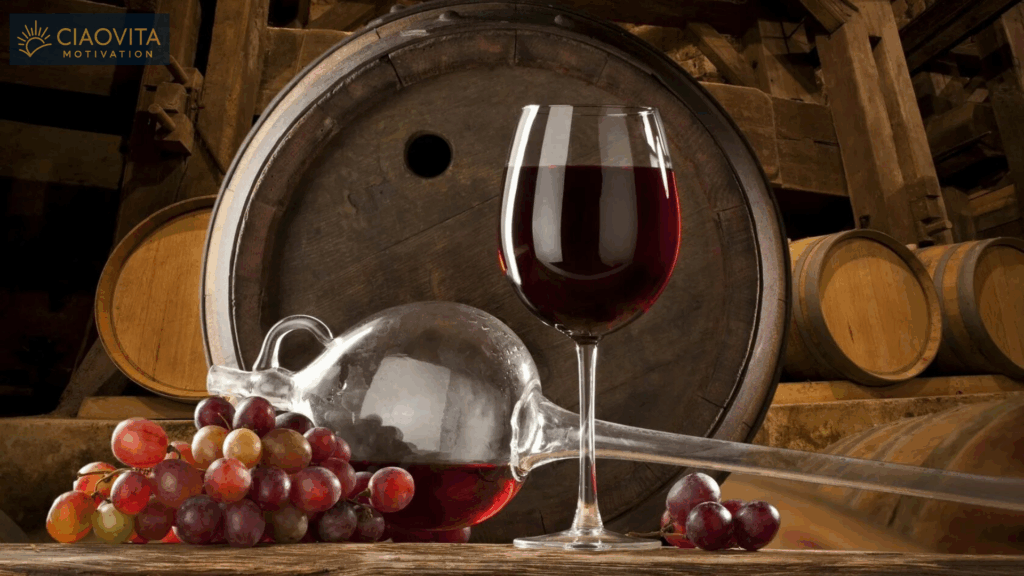
Red Wine and Long-Term Health
The Science Behind Moderate Consumption. Understanding. How Moderate Red Wine Intake Affects Cardiovascular Health and Cognitive Function
The relationship between red wine consumption and health has fascinated researchers for decades, particularly since observations of the French Paradox highlighted how French populations showed lower cardiovascular disease rates despite diets rich in saturated fats. Recent comprehensive research synthesizing evidence from multiple scientific studies provides clarity on how moderate red wine consumption affects long-term health outcomes.
Understanding the science behind red wine’s potential benefits requires examining not just the alcohol content but the unique bioactive compounds that distinguish wine from other alcoholic beverages. Red wine contains approximately 1,800 mg per liter of polyphenolic compounds, substantially higher than white wine at 200-300 mg per liter, beer at 280 mg per liter and spirits which contain virtually no polyphenols. These polyphenolic compounds, particularly resveratrol, emerge as key factors in wine’s differential health effects.
The Cognitive Protection Phenomenon
Recent research examining 2,456 Danish men over 41 years revealed compelling evidence about wine’s effects on cognitive function. The study tracked intelligence test scores from young adulthood to late midlife, controlling for education, baseline intelligence, and lifestyle factors. Men consuming 8-14 units of wine weekly showed 1.5 IQ points less decline compared to wine abstainers. Similarly, moderate spirits consumption at 1-7 units weekly demonstrated protective effects. However, beer consumption showed different patterns, with statistical tests suggesting meaningful differences between wine and beer effects on cognitive decline.
What makes these findings particularly significant is their consistency across multiple studies. All five dementia-focused studies analyzed showed positive health outcomes for moderate wine consumption. The protective effect extends beyond preventing decline to potentially reducing dementia risk by up to 68% in some populations. This cognitive protection appears related to wine’s ability to reduce oxidative stress and inflammation in brain tissue.
Cardiovascular Health Benefits
The cardiovascular benefits of moderate wine consumption represent perhaps the most extensively studied health outcome. Analysis of eight major studies consistently demonstrated that individuals consuming alcohol moderately, particularly wine, showed 26% lower cardiovascular disease risk, 35% reduction in total mortality and 51% lower cardiovascular mortality when alcohol consumption consisted primarily of red wine.
The mechanisms underlying these cardiovascular benefits involve multiple pathways. Polyphenols in red wine activate cellular defense systems through the Nrf2 pathway, upregulating antioxidant enzymes including superoxide dismutase, catalase and glutathione peroxidase. This activation reduces oxidative stress that damages blood vessels and contributes to atherosclerosis development.
Research published in leading cardiovascular journals demonstrates that moderate wine consumption improves several cardiovascular risk factors. Studies show beneficial effects on HDL cholesterol levels, reduced inflammation markers, improved endothelial function, and decreased platelet aggregation. These effects occur at consumption levels of approximately one glass daily for women and up to two glasses for men, always consumed with meals following the Mediterranean diet pattern.
Metabolic Health and Diabetes Prevention
Three comprehensive studies examined wine consumption’s relationship with type 2 diabetes. Regular moderate wine drinkers consistently showed lower glucose levels and reduced diabetes occurrence compared to abstainers. The metabolic benefits extend beyond glucose control to include improved insulin sensitivity and favorable effects on metabolic syndrome parameters.
Research demonstrates that 150 ml daily red wine intake for two years significantly increased HDL cholesterol and Apolipoprotein AI levels while decreasing the total cholesterol to HDL ratio in patients with type 2 diabetes. The polyphenolic compounds in wine appear to influence glucose metabolism through multiple mechanisms, including enhanced insulin signaling and reduced inflammatory responses that impair metabolic function.
The Polyphenol Advantage
Understanding why red wine shows different health effects than other alcoholic beverages requires examining its unique bioactive compound profile. Beyond resveratrol, red wine contains quercetin, catechin, epicatechin and numerous other flavonoids and phenolic acids. These compounds work synergistically to produce effects greater than any single component alone.
Resveratrol, the most studied wine polyphenol, activates sirtuins (SIRT1), proteins involved in cellular stress responses and longevity pathways. It also modulates gene expression related to inflammation, metabolism and cellular protection. Laboratory studies demonstrate that resveratrol reduces inflammatory markers including TNF-α and IL-6, protects against LDL oxidation and supports mitochondrial function.
The compound ε-viniferin, a resveratrol dimer found in red wine at concentrations up to 1 mg per liter, shows even more potent biological effects than resveratrol in some studies. Research indicates this compound provides strong antioxidant and anti-inflammatory properties relevant to cardiovascular and neurodegenerative disease prevention.
Mortality and Longevity Evidence
Perhaps the most striking finding across research comes from mortality studies. All ten studies examining mortality outcomes showed positive associations between moderate wine consumption and reduced death rates. The relationship consistently follows a J-shaped curve where moderate consumption (approximately 5-15 grams alcohol daily from wine) associates with 20-45% lower all-cause mortality compared to abstainers.
The Copenhagen City Heart Study demonstrated that wine intake specifically, rather than other alcoholic beverages, provided additional mortality benefits beyond alcohol alone. Participants consuming wine monthly, weekly, or daily showed lower stroke risk (relative risks of 0.83, 0.59 and 0.70 respectively) compared to non-wine consumers, while beer and spirits showed no such association.
Life expectancy studies suggest moderate wine drinkers may live up to five years longer than non-drinkers, though this benefit disappears entirely with heavy consumption. The longevity effects appear mediated through reduced cardiovascular disease, lower inflammation, better metabolic health, and preserved cognitive function.
The Mediterranean Drinking Pattern
The concept of moderate consumption extends beyond quantity to include pattern and context. The “Mediterranean way of drinking” emphasizes regular, moderate wine intake primarily with meals. This pattern differs fundamentally from binge drinking or consuming alcohol without food.
When consumed with meals, wine is absorbed more slowly, leading to lower peak blood alcohol concentrations and reduced liver stress. Food in the stomach slows ethanol absorption while simultaneously enhancing polyphenol bioavailability from both the wine and the meal. This synergistic effect may partly explain why wine consumed within a Mediterranean dietary pattern shows stronger health associations than wine consumed in isolation.
Research examining gene expression after meals with or without wine reveals that red wine up-regulates antioxidant enzyme genes (catalase, SOD2, GPX1) while down-regulating inflammatory markers. A Mediterranean meal with red wine produces different gene expression patterns than a high-fat meal with wine or meals without wine, suggesting the combination of nutrient-dense foods with wine’s bioactive compounds creates unique metabolic benefits.
Cancer Risk Considerations
The relationship between wine consumption and cancer risk represents the most complex and controversial aspect of alcohol and health research. Alcohol, including wine, is classified as a Group 1 carcinogen by the International Agency for Research on Cancer, with clear evidence linking heavy consumption to increased risk of several cancers including those of the upper digestive tract, liver, breast and colorectum.
However, analysis of studies specifically examining moderate wine consumption within Mediterranean dietary patterns shows different results. Four studies on lung, colorectal, prostate cancers and overall cancer mortality found that moderate wine consumption does not appreciably contribute to or protect against these malignancies. One study showed strong association between Mediterranean diet adherence and reduced breast cancer risk, with results unchanged when excluding the alcohol component.
The critical distinction appears to be consumption level. Heavy alcohol intake unequivocally increases cancer risk regardless of beverage type. Moderate wine consumption, particularly within nutrient-dense dietary patterns rich in protective compounds from fruits, vegetables and olive oil, shows neutral to slightly protective associations depending on cancer type. These findings do not suggest people should drink wine for cancer prevention, but they indicate that moderate consumption within healthy dietary patterns does not substantially increase cancer risk.
Distinguishing Wine from Other Alcoholic Beverages
A fundamental question in alcohol and health research is whether benefits derive from ethanol itself or from other beverage components. Evidence increasingly suggests that wine’s health associations differ meaningfully from those of beer or spirits due to its polyphenol content.
Direct comparison studies demonstrate that moderate wine consumption, but not beer or spirits, associates with reduced cardiovascular mortality and improved metabolic health markers. The Danish cognitive decline study found statistical differences between regression coefficients for wine versus beer consumption at moderate levels, suggesting beverage type matters beyond alcohol content alone.
These differences likely stem from wine polyphenols’ ability to activate endogenous defense mechanisms, reduce oxidative stress, improve vascular function and modulate inflammatory responses. Beer contains some polyphenols but at much lower concentrations, while spirits contain virtually none. This biochemical distinction translates into different health outcome patterns across beverage types.
Practical Implications and Limitations
These research findings have important practical implications while requiring careful interpretation. The evidence does not suggest that non-drinkers should start consuming alcohol for health benefits. Potential risks including alcohol dependence, accidents, and social harms must be considered alongside any potential health benefits.
For individuals who already consume alcohol moderately, the research suggests that choosing wine over other beverages and consuming it with meals following Mediterranean dietary principles may optimize any potential health benefits while minimizing risks. Consumption should remain moderate, defined as one standard glass daily for women and up to two for men, never exceeding these limits.
Young people under age 40 should avoid alcohol consumption entirely, as research indicates no health benefits and significant risks in this age group. Alcohol represents the leading risk factor for premature mortality and disability among those aged 15-49 years. Brain development continues into the mid-20s, making alcohol consumption particularly harmful during adolescence and early adulthood.
Study limitations include reliance on self-reported consumption data, inability to fully control for lifestyle differences between drinkers and non-drinkers, and variations in wine polyphenol content based on grape variety, growing conditions, and production methods. Long-term randomized controlled trials of alcohol consumption face ethical barriers, requiring researchers to rely primarily on observational studies with their inherent limitations.
Conclusion
Scientific evidence from multiple large-scale studies indicates that moderate red wine consumption, particularly within Mediterranean dietary patterns, associates with several health benefits including reduced cardiovascular disease risk, preserved cognitive function, improved metabolic health and increased longevity. These benefits appear related both to alcohol’s effects on HDL cholesterol and blood clotting as well as to red wine’s unique polyphenolic compounds that activate cellular defense mechanisms and reduce inflammation.
The consistent finding across research is that wine differs from other alcoholic beverages in its health associations, likely due to its high polyphenol content. Moderate consumption defined as one glass daily for women and up to two for men, always with meals, represents the pattern associated with health benefits. Benefits disappear entirely with heavier consumption, which increases risks across all health outcomes.
This evidence should not encourage non-drinkers to start consuming alcohol. However, for individuals who currently drink moderately, choosing wine and following Mediterranean consumption patterns may optimize any potential benefits while minimizing risks. Future research should continue examining mechanisms underlying wine’s health effects and identifying which populations benefit most from moderate consumption.
References
- Grønkjær MS, Flensborg-Madsen T, Osler M, et al. Differences in Associations of Three Types of Alcoholic Beverages with Age-Related Cognitive Decline in Men. Nutrients. 2024;16:3714.
- Wojtowicz JS. Long-Term Health Outcomes of Regular, Moderate Red Wine Consumption. Cureus. 2023;15(10):e46786.
- Hrelia S, Di Renzo L, Bavaresco L, et al. Moderate Wine Consumption and Health: A Narrative Review. Nutrients. 2023;15(1):175.
- National Institute on Aging – Brain Health
- American Heart Association – Mediterranean Diet
- CDC – Alcohol and Public Health
© 2025 Alice & Marcus Guimarães. All rights reserved.This site is proudly created with WordPress.