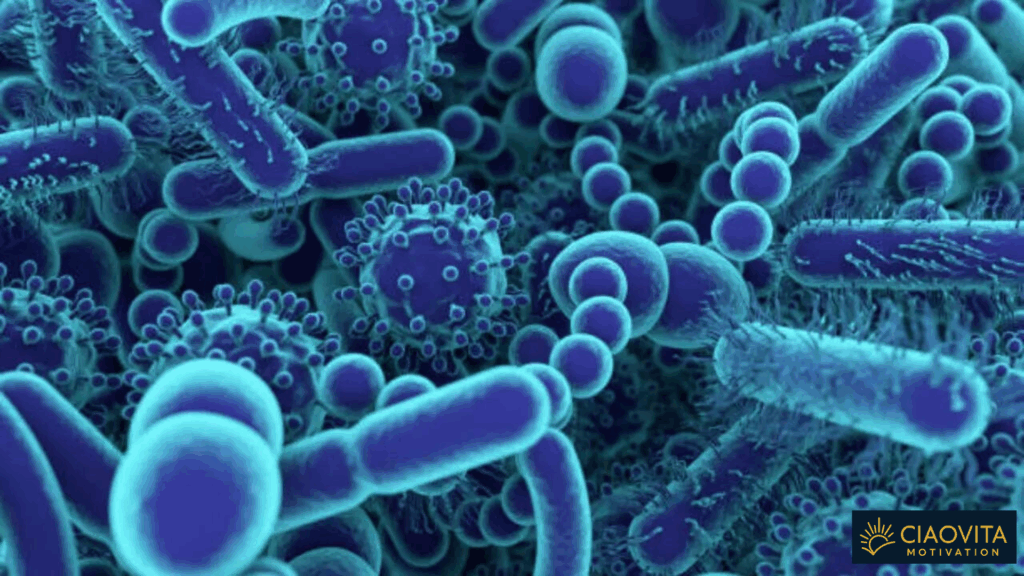
Probiotics Boost Athletic Performance and Recovery
How gut microbiome optimization enhances endurance, strength and immune function
When athletes optimize their training routines, they typically focus on workout programming, protein timing and recovery protocols. However, emerging research from 2023-2025 reveals that gut microbiome optimization through probiotic supplementation may represent one of the most overlooked performance enhancers available today. Recent systematic reviews and meta-analyses demonstrate that specific probiotic strains deliver measurable improvements in endurance capacity, strength production, immune function and recovery speed. Understanding which strains produce specific benefits and how to implement evidence-based supplementation strategies can transform athletic performance across competitive levels.
Your digestive system houses approximately 70% of your immune system, creating a critical interface between external challenges and internal defense mechanisms. Athletes pushing physical limits through intense training place extraordinary demands on immune function. Probiotics work through multiple mechanisms to support athletic performance, including inflammation modulation, enhanced nutrient absorption, strengthened gut barrier function and optimized immune responses. The latest research clarifies not only which benefits athletes can expect but also which specific strains deliver those outcomes reliably.
Performance Benefits Backed by 2025 Research
Perhaps the most compelling evidence for probiotic supplementation comes from studies examining respiratory infection rates. Upper respiratory tract infections represent the leading cause of missed training days among competitive athletes. A 2023 systematic review analyzing performance-related features in athletes examined data from 465 physically active individuals and found that daily supplementation with Bifidobacterium animalis reduced respiratory infection risk by 27% over 150 days. Even more impressively, athletes receiving probiotics experienced approximately eight-month delays before developing illness compared to placebo groups.
These immune benefits extend beyond simple infection prevention. During heavy training periods, athletes experience temporary immune suppression driven by physiological stress, inadequate recovery and environmental challenges. Probiotics appear to counter these negative effects by supporting mucosal immunity and maintaining balanced inflammatory responses. This translates directly into consistent training without illness interruptions, which research consistently links to superior performance outcomes.
Recent 2024 studies have expanded our understanding of probiotic effects on strength and power production. Resistance-trained males consuming Bacillus coagulans combined with whey protein for 60 days demonstrated remarkable improvements: one-rep max leg press increased by 17% and vertical jump power improved by 8% compared to athletes consuming protein alone. These findings suggest probiotics may enhance the well-known benefits of protein supplementation on muscle adaptation and strength development.
Endurance performance benefits also show strong scientific support. A 2024 randomized controlled trial involving marathon runners found that five-week supplementation with combined Lactobacillus and Bifidobacterium strains (totaling 10 billion CFU) significantly improved distance covered during Cooper testing. Remarkably, functional magnetic resonance imaging (fMRI) revealed greater post-exercise muscle microperfusion in athletes receiving probiotics, indicating improved blood flow supporting aerobic efficiency.
Accelerated Recovery and Reduced Muscle Damage
Beyond performance enhancement, probiotics show promise for accelerating recovery from intense exercise. Muscle-damaging activities like heavy resistance training or downhill running create microtears triggering inflammation and delayed-onset muscle soreness that typically peaks 24-72 hours post-exercise. Research demonstrates that specific probiotic strains possess anti-inflammatory properties potentially helping muscles repair and rebuild more efficiently.
A 2025 meta-analysis examining probiotic supplementation effects on body composition and recovery included comprehensive assessment of creatine kinase levels, a standard marker of muscle damage. Athletes receiving probiotics showed creatine kinase reductions averaging 45.57 IU compared to control groups, indicating significantly less muscle tissue breakdown following exercise. This physiological marker translates into faster functional recovery between training sessions.
Studies combining Bacillus coagulans with protein supplementation demonstrated improved recovery and decreased soreness after muscle-damaging leg exercises. Similarly, Bifidobacterium breve combined with Streptococcus thermophilus improved muscle function and range of motion during acute recovery periods following challenging arm workouts. These findings suggest strategic probiotic supplementation may help athletes maximize training frequency by reducing recovery duration.
The mechanisms underlying these recovery benefits remain under investigation. However, research indicates probiotics may work through multiple pathways: reducing exercise-induced inflammation, supporting immune function during recovery periods, improving nutrient absorption supporting muscle repair and maintaining gut barrier integrity preventing systemic inflammation. Understanding gut health fundamentals provides context for how these mechanisms interact.
Enhanced Nutrient Absorption and Metabolism
Athletes consuming high amounts of protein, carbohydrates and micronutrients to fuel training require optimal digestive function. Your digestive system serves as the gateway for all nutrients entering your body, making efficient absorption critical for performance and recovery. Intense, prolonged exercise particularly in hot conditions increases intestinal permeability. Essentially, your intestinal barrier becomes more permeable, potentially allowing harmful substances into your bloodstream and triggering systemic inflammation.
Research demonstrates certain probiotic strains help strengthen gut barrier function. Studies measuring zonulin, a marker indicating intestinal permeability, show that multi-strain probiotic supplementation can improve gut integrity. Better barrier function means more efficient nutrient absorption and reduced risk of exercise-related digestive problems common among endurance athletes, including cramping, nausea and bloating.
A 2024 systematic review on gut microbiota and sport performance revealed striking effects on amino acid availability. Triathletes supplementing with Lactobacillus plantarum PS128 for eight weeks showed remarkable increases in circulating branched-chain amino acids (BCAAs): isoleucine, leucine and valine concentrations increased 24-60% compared to baseline measurements. Since BCAAs play crucial roles in muscle protein synthesis and reducing exercise-induced fatigue, these elevated levels may directly support performance and recovery.
Probiotics also influence carbohydrate metabolism. A randomized controlled trial in trained male cyclists found that four-week probiotic supplementation produced small but significant improvements in glucose oxidation rates during 60-120 minutes of moderate-intensity cycling. Specifically, carbohydrate metabolism improved approximately 4%, potentially enhancing fuel availability during sustained exercise. Proper sports nutrition timing amplifies these metabolic benefits.
Some probiotic species produce digestive enzymes enhancing protein breakdown. Bacillus coagulans, for example, produces alkaline proteases working effectively under gut conditions. These enzymes digest protein more thoroughly than your body’s natural enzymes alone, potentially improving amino acid availability for muscle repair and growth.
The Gut-Brain Axis and Mental Performance
Emerging research reveals fascinating connections between probiotic supplementation and mental performance in athletes. The gut-brain axis represents bidirectional communication between your digestive system and central nervous system through neural, hormonal and immune pathways. Probiotics influencing gut microbiota may modulate this axis, impacting mood, stress responses and cognitive function crucial for athletic performance.
A 2024 study examining competitive badminton players found that six-week supplementation with Lactobacillus casei Shirota produced remarkable mental health benefits. Athletes receiving probiotics showed 16% reductions in anxiety scores and 20% decreases in stress measurements compared to placebo groups. These improvements occurred during intense competition periods when psychological pressure typically peaks.
Even more interesting, research examining competitive male football players revealed that four-week probiotic supplementation significantly increased both delta and theta brain wave activity. These brain wave patterns indicate greater attention capacity and relaxation states. Athletes also demonstrated significant improvements in sustained attention testing, suggesting probiotics may enhance focus during competitions requiring prolonged concentration.
The mechanisms underlying these mental performance effects involve neurotransmitter production influenced by gut bacteria. Certain probiotic strains produce gamma-aminobutyric acid (GABA) and influence serotonin production, both neurotransmitters playing key roles in mood regulation, anxiety reduction and stress management. Understanding how lifestyle affects brain health provides additional context for these connections.
Probiotics may also influence hormonal pathways related to stress responses. Research suggests certain strains modulate cortisol production, the primary stress hormone athletes must balance during heavy training periods and competitions. By supporting healthy stress hormone regulation, probiotics may help athletes maintain psychological resilience alongside physical performance.
Choosing the Right Probiotic for Athletic Goals
Not all probiotics deliver athletic benefits. The evidence demonstrates that effects are highly strain-specific and dose-dependent. This means athletes cannot simply select any probiotic supplement expecting performance improvements. Understanding which specific strains have been validated in published research becomes critical for evidence-based supplementation.
The most extensively studied genera for athletic applications include Lactobacillus (examined in 35 studies), Bifidobacterium (18 studies), Streptococcus (8 studies) and Bacillus (5 studies). Within these categories, specific strains show distinct effects. For instance, Lactobacillus fermentum demonstrated reduced respiratory infection severity in male cyclists but showed no effect in female cyclists, suggesting gender may influence probiotic effectiveness.
Dosing typically ranges from 1 billion to 100 billion colony-forming units (CFU) daily. However, most successful athletic performance studies utilized 10 billion CFU or higher. The International Olympic Committee noted moderate support for probiotic use in athletes with daily doses of 10 billion CFU taken for several weeks before competitions or intense training blocks.
Specific strains with strong research support for athletic performance include:
- Lactobacillus plantarum PS128 – Demonstrated improvements in triathlete performance, reduced inflammation and oxidative stress, and increased circulating BCAAs by 24-60%
- Bifidobacterium lactis BL-99 – Enhanced lipid metabolism and sports performance in cross-country skiers through short-chain fatty acid production
- Bacillus coagulans GBI-30 – Combined with protein supplementation, improved recovery and decreased muscle damage markers, producing 17% increases in one-rep max strength
- Bifidobacterium animalis – Reduced respiratory infection risk by 27% in physically active individuals over 150 days
- Lactobacillus fermentum VRI-003 – Decreased upper respiratory infection severity in endurance athletes
Products containing probiotics must list genus, species and strain of each microorganism on labels, along with total quantity at expiration dates. This information matters because research validates specific strains for particular benefits. A probiotic claiming “supports immune health” should identify exactly which strains provide that support and reference research backing those claims.
Practical Implementation Strategies
If you’re considering probiotic supplementation for athletic performance, timing and consistency matter significantly. Research suggests starting supplementation at least 14 days before major training periods or competitions, allowing your gut microbiota to adapt. During this colonization period, you might experience mild, temporary digestive changes like increased gas or bloating that typically resolve within one week.
Most research protocols involve daily probiotic consumption, preferably with food. One study found that consuming probiotics 30 minutes before meals or with meals resulted in better bacterial survival compared to taking them 30 minutes after eating. Consuming probiotics with milk or oat-based foods appeared more protective than taking them with juice or water, likely due to buffering effects protecting bacterial strains from stomach acid.
Storage conditions affect probiotic viability. While newer formulations don’t require refrigeration, probiotics remain living organisms sensitive to heat, moisture and light. Keep supplements in cool, dry places away from direct sunlight. This becomes particularly important for athletes traveling frequently or training in hot environments where temperature extremes might compromise bacterial survival.
Research examining supplementation duration suggests benefits accumulate over time. Most studies showing significant performance improvements involved 4-16 week supplementation periods. Longer interventions spanning several months may deliver more substantial benefits, though optimal duration remains an active research question.
Athletes should monitor their individual responses during initial supplementation periods. While research shows group-level benefits, individual gut microbiota composition varies considerably, potentially influencing how specific strains colonize and produce effects. Tracking training performance, recovery quality, illness frequency and digestive comfort can help determine whether supplementation provides personal benefits.
Integration with Comprehensive Athletic Development
Probiotics represent legitimate, evidence-based supplement options for athletes and active individuals. The strongest research support exists for reducing respiratory infection frequency and severity, translating to fewer missed training days. Emerging evidence suggests benefits for muscle recovery, gut health, nutrient absorption and mental performance, though these areas require continued research for definitive conclusions.
However, probiotics aren’t magic solutions compensating for inadequate training, insufficient sleep or suboptimal nutrition. They work best as part of comprehensive athletic development approaches. Think of probiotics as supporting elements rather than primary drivers of performance improvement.
Athletes should prioritize fundamental training principles before adding supplements. Understanding how exercise transforms your body provides essential context for realistic performance expectations. Adequate protein intake, strategic carbohydrate consumption, proper hydration, sufficient sleep and progressive training programs create foundations for athletic success.
Within this context, probiotics may provide incremental advantages. Reducing illness frequency by 27% means more consistent training. Accelerating recovery by measurable percentages enables higher training frequencies. Improving nutrient absorption ensures consumed calories and macronutrients support physiological adaptation. Reducing anxiety and stress helps athletes perform optimally under competitive pressure.
When selecting probiotics, look for products clearly identifying strains and doses matching those used in published research. Consider your specific goals (immune support, recovery enhancement, gut health optimization, mental performance) and select strains validated for those purposes in athletic populations. Start supplementation well before important competitions or training blocks, monitor your response carefully and maintain patience during adaptation periods.
Conclusion
The scientific evidence supporting probiotic supplementation for athletic performance has strengthened considerably from 2023-2025. Systematic reviews, meta-analyses and randomized controlled trials demonstrate that specific probiotic strains deliver measurable benefits for immune function, strength production, endurance capacity, recovery speed and mental performance. Understanding strain specificity, appropriate dosing and implementation timing allows athletes to leverage these benefits strategically.
The gut microbiome represents a sophisticated ecosystem influencing far more than digestion alone. Its profound effects on immune regulation, nutrient metabolism, inflammation modulation and even brain function make it a legitimate target for performance optimization. As research continues evolving, we’ll likely discover additional mechanisms through which probiotics support athletic performance.
For now, existing evidence provides reasonable support for probiotic use, particularly during heavy training periods, travel exposures or times of increased infection risk. Whether you’re a competitive athlete seeking marginal performance gains or an active individual wanting to maintain consistent training, probiotics deserve consideration in your evidence-based nutrition toolkit.
References
- Jarrett H, Medlin S, Morehen JC. The Role of the Gut Microbiome and Probiotics in Sports Performance: A Narrative Review Update. Nutrients. 2025;17(4):690.
- Nami Y, Barghi A, Shahgolzari M, Salehian M, Haghshenas B. Mechanism of Action and Beneficial Effects of Probiotics in Amateur and Professional Athletes. Food Sci Nutr. 2024;13(1):e4658.
- Di Dio M, Calella P, Pelullo CP, Liguori F, Di Onofrio V, Gallè F, Liguori G. Effects of Probiotic Supplementation on Sports Performance and Performance-Related Features in Athletes: A Systematic Review. Int J Environ Res Public Health. 2023;20(3):2226.
- Shirkoohi S, et al. The effects of probiotic supplementation on body composition, recovery following exercise-induced muscle damage, and exercise performance: A systematic review and meta-analysis. Physiol Rep. 2025;13:e70288.
- da Silva Carvalho Porepp O, Xavier MG, da Silveira LM, et al. Effect of Probiotic Supplementation on Gut Microbiota and Sport Performance in Athletes and Physically Active Individuals: A Systematic Review. J Int Soc Sports Nutr. 2024;21(5):660-76.
- Jäger R, Mohr AE, Carpenter KC, et al. International Society of Sports Nutrition Position Stand: Probiotics. J Int Soc Sports Nutr. 2019;16:62
© 2025 Alice & Marcus Guimarães. All rights reserved.This site is proudly created with WordPress.