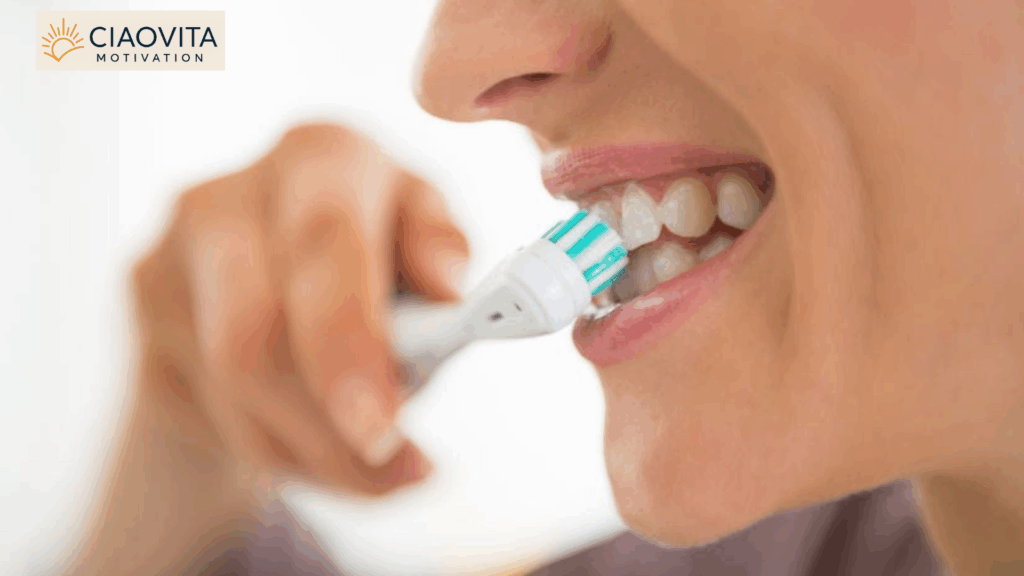
Oral Health – The Game Changer in Athletic Performance.
How Your Mouth Affects Your Sports Results
When you think about improving athletic performance, you probably focus on training routines, nutrition plans and recovery strategies. However, there is one critical factor that often gets overlooked: oral health. Your mouth might seem disconnected from your muscles and endurance, but growing scientific evidence shows that what happens in your mouth can significantly impact how you perform in sports.
Recent research has uncovered fascinating connections between oral health and athletic achievement. Athletes with periodontal disease, which is a condition affecting the gums and supporting structures of teeth, face measurable declines in their performance. Understanding this relationship can help you make better choices about your dental care and potentially improve your results in training and competition.
The Science Behind Oral Health and Performance
Multiple studies have examined how oral health influences athletic capability. Researchers analyzed data from hundreds of athletes across different sports including swimming, rugby, hockey, water polo and track and field. What they found was striking: athletes with gum disease were significantly more likely to report reduced performance compared to those with healthy mouths.
One comprehensive review that analyzed eight different studies found that athletes with periodontal disease had 1.5 times higher risk of experiencing performance decline. This means that maintaining good oral health could be just as important as your regular training schedule.
The connection works through several pathways. When you have gum disease, your body experiences chronic inflammation. This inflammation does not stay localized in your mouth. Instead, inflammatory markers travel through your bloodstream and affect your entire body. For athletes, this means reduced training capacity, longer recovery times and increased susceptibility to other infections.
Understanding Your Oral Microbiota
Your mouth contains a complex ecosystem of microorganisms called the oral microbiota. This community includes over 700 species of bacteria plus viruses, fungi and other microscopic organisms. Together they form the second most complex microbial ecosystem in your body after your gut.
When you exercise intensely, especially in competitive sports, this oral ecosystem changes. Research on swimmers, rugby players and water polo athletes has revealed specific shifts in bacterial populations during training. Some bacteria increase while others decrease, creating a different balance than what sedentary people have.
Athletes who engage in regular physical activity show distinctive oral microbial compositions compared to people with sedentary lifestyles. Studies found increases in certain bacterial genera including Rothia, Stenotrophomonas and Veillonella in athletes. Meanwhile, the genus Gemella tends to decrease. These changes appear related to the physical demands of sports training.
The genus Streptococcus, which plays a major role in dental plaque formation, shows frequent modifications in athletes. Some Streptococcus species help protect against cavities while others contribute to tooth decay. The balance between protective and harmful species can shift based on your training routine, diet and oral hygiene practices.
How Sports Nutrition Affects Your Dental Health
Food and fluid supply is fundamental for optimal athletic performance but can also be a major risk factor for dental problems. Many studies report a high prevalence of oral diseases in elite athletes. The numbers are sobering: dental caries affects 20 to 84% of athletes, dental erosion occurs in 42 to 59%, gingivitis appears in 58 to 77%, and periodontal disease strikes 15 to 41% of competitive athletes.
These problems stem largely from frequent consumption of sugars and carbohydrates, sports drinks and energy products. Athletes have high energy requirements to maintain their weight and body composition. When you train intensely, carbohydrate and protein intake becomes particularly important to control body weight and maximize training effects, glycogen storage, muscle gain and tissue repair.
During prolonged exercise, your muscle glycogen stores become depleted. Sports diets often focus on increasing these stores and providing additional carbohydrate supply during physical strain. Recent studies found that 28% of elite and professional athletes are high sugar consumers, 59% use energy bars and 70% use energy gels.
However, this nutritional strategy creates challenges for oral health. The composition of your oral microbiota is closely linked to salivary pH level, which depends on the availability of food debris and fermentable carbohydrates. When you frequently consume carbohydrates, you foster the multiplication of acid producing species in your mouth.
The Sports Diet Paradox
Here lies a fundamental conflict: the nutritional requirements of competitive sports are in many respects at odds with the requirements of oral health. This creates what we might call the sports diet paradox.
Carbohydrates are classified into sugars and starches. These fermentable carbohydrates represent the most important substrate for bacterial metabolism in your mouth. The adhesiveness, solubility and texture of foods affect sugar clearance by salivary flow. Foods that stick in your mouth lead to extended periods of acid production. The more frequently you consume food and drinks, and the shorter the intervals between consumption, the greater your risk of dental damage.
The connection between dental caries and carbohydrates has been firmly established. Research shows a correlation between sugar consumption and higher caries experience, especially when sugar is consumed between meals. Both the frequency of sugar consumption and the amount influence the development of dental caries, though frequency appears particularly cariogenic.
The type of sugar matters too. Sucrose is more cariogenic than other sugars like fructose, maltose, lactose and glucose. A pH of 5.5 is considered the critical threshold for enamel loss, and starch containing foods can reduce the pH level even further.
The local dietary effects on your teeth depend on the frequency and amount of carbohydrate intake. These effects are also influenced by the oral environment such as overall dietary regimen, biofilm and saliva composition, saliva flow, tooth morphology, oral hygiene and fluoride exposure.
Sports Drinks and Dental Erosion
Athletes require additional fluid to cover sweat losses during training and competition. Studies show that 86% of athletes consume sports drinks during training or competition, and 64% drink them at least three times per week. These beverages contain carbohydrates to maintain blood glucose levels and fluid balance during endurance activities.
Sports drinks typically contain minerals, electrolytes, acids like citric and phosphoric acid, and carbohydrates. Their consumption results in lower salivary pH values. Remember that enamel dissolution starts at pH 5.5, while dentine and root surfaces have a higher critical pH of approximately 6.2 for dissolution.
Commercial sports drinks have pH values between 3.2 and 3. The contact time with dental enamel is decisive for irreversible damage. Prolonged consumption favors dental erosion. Under normal circumstances, acidic fluids are eliminated within 10 minutes, but with low salivation this can take up to 30 minutes.
Evidence shows that exercise decreases salivary flow rates and causes dehydration, resulting in increased viscosity of saliva. This leads to decreased buffering and antibacterial properties. After a two hour cycling session, salivary flow decreased by 39% and saliva IgA secretion dropped by 19.5%. These exercise induced factors result in dental erosion, decreased immune response and increased susceptibility to oral cavity problems.
Studies demonstrate that the frequency of acidic drink consumption is more crucial for dental erosion than the total amount consumed. Athletes with frequent consumption, decreased salivary flow, prolonged drinking patterns or mouth breathing face especially high risk of dental erosion.
The Protective Role of Protein
While carbohydrates pose challenges, protein offers protection for your oral health. Recommendations for daily protein intake among athletes range between 1.2 and 2.0 grams per kilogram of body weight. Higher consumption during intensive training may provide additional benefits due to upregulated muscle protein synthesis.
High quality protein foods like meats, eggs, cheese, fish and vegetables are associated with decreased risk for dental caries. Milk is particularly beneficial because it is rich in protein and provides essential amino acids. Milk contains two major proteins: casein at 80% and whey at 20%, along with enzymes, vitamin binding proteins and growth factors.
Milk derived protein activity inhibits bacterial enamel binding, supports buffering and enhances enamel remineralization. These antimicrobial effects are used in commercial products such as toothpaste, gels and mouth rinses. Dairy products contain calcium, phosphate and lipids that have caries protective effects.
Cheese offers special advantages. It harbors casein phosphopeptides that stabilize calcium and phosphate into forms that protect teeth. Chewing hard cheese stimulates salivary flow and remineralization by increasing calcium and phosphate in dental plaque. Even soft cheese provides remineralization effects, and processed cheese has been claimed to be anticariogenic.
Cheese contains the amino acid tryptophan, a component of serotonin, which plays an important role in inducing and maintaining sleep. Foods containing tryptophan such as dairy products, meat, fish and nuts can support healthy sleep patterns, which is crucial for athletic recovery.
Studies show an inverse association between protein intake and the prevalence of periodontitis. The gingival tissue has one of the highest turnover rates in your body, and proteins are crucial for structural maintenance. Severe protein malnutrition causes tooth loss and periodontal lesions. Inadequate protein intake negatively affects your immune system, wound healing and antibacterial properties of saliva.
The Fat Factor in Oral Health
The proportion of fat in sports diet is around 20 to 35%. Fats are components of cell membranes and nerves. Fat restriction to less than 20% of total energy means low intake of fat soluble vitamins and essential fatty acids like omega 3.
A caries protective effect may be attributed to essential fatty oils from aromatic plants. These oils show antibacterial effects against caries related microorganisms, particularly Streptococcus mutans. Oil pulling has been used to treat caries, oral malodor and gingival bleeding. The anticariogenic effect may be attributed to reduction in Streptococcus mutans bacteria and inhibition of bacterial adhesion.
Regarding periodontal health, diet can alter cell membrane and blood lipid profiles, and thus susceptibility to oxidative damage. Changes in dietary habits that affect lipid profiles may help prevent and improve periodontal diseases. Polyunsaturated fatty acids like omega 3 promote periodontal health through their antioxidant and anti inflammatory effects. In contrast, saturated fat rich diets increase oxidative and inflammatory stress.
The type of fat is crucial for general systemic and periodontal health. Strict attention should be paid to achieving a sufficient and balanced ratio of omega 6 to omega 3 fatty acids, ideally at or below 5:1. A lack of omega 3 fatty acids depresses the anti inflammatory and immune response of periodontal tissue.
Research on endurance athletes following a low carbohydrate and high fat diet showed that this modified the oral microbiota, resulting in decreased relative abundances of certain harmful bacteria and increased beneficial species.
Vitamins, Antioxidants and Oral Health
A sports related diet should contain several antioxidants such as vitamins A, C and E along with other nutrients that promote periodontal health. Recent studies show that reduced levels of antioxidant micronutrients affect periodontal health in cases of poor diet or lifestyle.
Vitamin A stimulates salivary flow and thereby helps stabilize salivary pH levels. Dietary sources include eggs, carrots, liver, sweet potato, broccoli and leafy vegetables. In vegan diets, there is risk of vitamin B12 deficiency. A prospective study reported low serum B12 levels in cases of worse periodontal status.
Vitamin C is required for collagen synthesis, enhances iron absorption and promotes tissue healing. Compared to conventional toothpastes, toothpaste containing vitamin C can improve gingivitis and provide anti ROS effects. Long lasting vitamin C deficiency leads to scurvy. The risk of periodontitis increases by 20% with low vitamin C intake.
Vitamin D deficiency may decrease periodontal attachment and jaw bone density, but further studies are necessary to clarify the association between serum vitamin D values and periodontal health. The impact of vitamin E on periodontal health also needs further research.
Green tea or green tea extract with caffeine has antioxidant potential to scavenge reactive oxygen species. The health benefits of consuming polyphenols derive from synergistic effects between bioactive compounds and other nutrients in fruits or vegetables. Cooking may alter the antioxidative properties.
Reactive oxygen species and free radicals are predominant in periodontitis. Antioxidants may inhibit ROS mediated periodontal inflammation. A restricted dietary intake of antioxidants compared to a conventional diet over two weeks increased systemic oxidative stress markers in athletes significantly. Therefore, a balanced diet rich in natural antioxidants and polyphenols is recommended.
Polyphenol antioxidants like flavonoids, phenolic acids and carotenoids contained in fruits and vegetables have been considered potentially anticariogenic as they reduce caries pathogenic bacterial growth and biofilm formation. However, studies mostly used single species biofilms, and clinical evidence demonstrating real anticariogenic benefit remains limited.
Probiotics and Your Oral Ecosystem
Probiotics are preparations containing beneficial microorganisms like lactic acid bacteria and yeasts. They are used as natural components to prevent gastrointestinal problems. Prebiotics such as inulin and oligofructose are dietary fibers that promote the growth and activity of beneficial bacteria.
The intestinal microbiota impacts host metabolism, physiology, nutrition and immune function. Dietary fiber fermentation by intestinal bacteria produces short chain fatty acids that stabilize intestinal bacteria, improve intestinal barrier function and have systemic metabolic effects. These fatty acids also help regulate appetite and metabolism and may contribute to cancer prevention.
Studies focusing on probiotics and sport reported possible benefits. Probiotics impaired the occurrence of cold like symptoms after intensive exercise. Research on reducing the risk of developing infections or severity of related symptoms in athletes showed mostly beneficial effects.
Some studies revealed a symbiotic association between oral bacteria and an entero salivary nitrate to nitrite to nitric oxide pathway that supports nitric oxide homeostasis. Nitric oxide has physiological effects on vasodilatation, neurotransmission, immune defense, oxidative energy regeneration and muscle contraction.
Inorganic nitrate is a natural micronutrient found in green leafy vegetables. Human cells can only activate biologically inert nitrate to a limited extent, but symbiotic oral bacteria enhance this process. They reduce ingested nitrate to bioactive nitrite, which can be reduced to nitric oxide in circulation or in regions of low oxygen availability. This benefit may be negatively affected by an imbalanced oral microbiota.
A diet with high nitrate content focusing on vegetable consumption leads to increased nitrate and nitrite concentrations in the bloodstream, positively affecting blood vessels. Nitrate supplementation may lead to faster acceleration in high intensity sports.
Regarding dental health specifically, probiotics can help treat dental diseases originating from infections and microbiota imbalances. Probiotics may enhance the proliferation of nitrate reducing bacteria and nitric oxide production. They can adhere to and colonize various surfaces of the oral cavity.
The effects of probiotics on periodontitis are promising. Some studies showed positive effects on pocket depth, bleeding on probing and inflammation. Probiotic dairy products like milk, yogurt, kefir, curd and cheese or pharmaceutical formulas can improve oral health by modifying the microbiota and decreasing Streptococcus mutans levels.
Several studies found that probiotics positively influence caries and periodontitis development. Continuous supply seems decisive for the effect. Discontinuing consumption will diminish positive effects after two to four weeks. The latest research unveils a positive role of probiotics in preventing caries, halitosis and periodontitis. Therefore, supplementary use of probiotics apparently plays a relevant role in athletes’ dental care.
Practical Strategies to Protect Your Oral Health
Given the clear connection between oral health and athletic performance, what can you do to protect your mouth while pursuing your fitness goals? The structural basis of a sports specific prevention program is knowledge and behavior.
Start with the basics of oral hygiene. Brush your teeth twice daily using fluoride toothpaste and proper technique. Take two full minutes to ensure you clean all tooth surfaces effectively. Pay special attention to the gum line where bacteria accumulate and cause inflammation. Flossing removes plaque and food particles from between teeth where your toothbrush cannot reach. Make this a daily habit.
Consider the timing of your oral care routine around training. Some athletes find it helpful to rinse their mouth with water immediately after consuming sports drinks or energy products. This simple step helps wash away sugars and acids before they cause damage. You can do thorough brushing later when more convenient.
Be strategic about sports nutrition choices. While sports drinks serve important purposes during intense or prolonged exercise, you might not need them for every workout. For moderate intensity sessions lasting less than an hour, water often suffices. When you do use sports drinks, consider drinking them quickly rather than sipping over extended periods. This limits the time your teeth are exposed to sugars and acids.
Apply a two bottle strategy: consume your sport supplement followed by plain water. Rinsing with plain water or milk after sports drink intake reduces contact time and dental damage by neutralizing oral pH levels more quickly.
Use fluoride containing products strategically. Where carbohydrates or sugars are consumed regularly, use fluoride toothpastes or high concentrated fluoride toothpastes containing 2800 ppm or more twice per day to reduce dental erosion. To maximize fluoride uptake, avoid intense spitting or rinsing after tooth brushing. Additionally, use sodium fluoride mouth rinse at a different time of day.
Regular dental checkups become even more important when you train seriously. Professional cleanings remove hardened plaque that you cannot eliminate with brushing and flossing alone. Your dentist can identify early signs of gum disease and provide treatment before problems become severe. Aim for dental visits at least twice yearly, or more frequently if your dentist recommends it based on your oral health status.
The Protein and Dairy Advantage
Your overall nutrition affects your oral health just as it influences your athletic performance. Make sure your diet includes adequate protein from high quality sources. The anticariogenic effects of protein rich foods like meat, fish, eggs and dairy products help protect against tooth decay.
Consider increasing your dairy consumption. Milk makes an excellent sports drink due to its composition. Buttermilk provides ideal nutrition for athletes. Cheese has protective potential against teeth demineralization. Including these foods at the end of meals or as snacks between training sessions provides both nutritional and dental benefits.
For athletes concerned about sugar intake, dairy products offer a smart alternative to sugary sports drinks in many situations. The calcium, phosphate and protein in dairy foods actively protect and remineralize your teeth while providing nutrients your body needs for recovery and performance.
Hydration Beyond Sports Drinks
Staying well hydrated supports saliva production, which is your mouth’s natural defense system. When you become dehydrated during training, your mouth becomes drier and more vulnerable to bacterial growth. Carry a water bottle and drink regularly throughout the day, not just during workouts.
If you experience persistent dry mouth due to mouth breathing during exercise, discuss this with your dentist or doctor. They might recommend specific products like moisturizing mouth rinses or sugar free gum to stimulate saliva production. Saliva analysis could be applied to choose the best diet and training regimen for your specific needs.
Foods That Fight Inflammation
Focus on foods with anti inflammatory properties. Include plenty of colorful fruits and vegetables in your diet. These provide vitamins, minerals and antioxidants that support healthy gums and strong teeth. Dark leafy greens, berries, nuts and fatty fish rich in omega 3 fatty acids all contribute to reducing inflammation in your body, including your mouth.
The benefits come from synergistic effects between bioactive compounds and other nutrients in whole foods. Processed and synthetic foods lack these benefits and may actually increase your risk of dental problems. Choose whole, minimally processed foods whenever possible.
The Role of Supplements
Consider adding probiotic supplements or probiotic rich foods to your diet. These beneficial bacteria can improve your oral microbiome balance. Fermented foods like yogurt, kefir and sauerkraut naturally contain probiotics. Pharmaceutical probiotic formulas designed specifically for oral health are also available.
For athletes using nutritional supplements, be aware that some products contain sugars or acids that can harm your teeth. Read labels carefully and choose products with minimal added sugars. If you use supplements in powder or liquid form, rinse your mouth with water after consumption.
Avoiding Harmful Practices
Never use mouthwash products containing chlorhexidine if you rely on dietary nitrate for performance benefits. Research shows that chlorhexidine mouthwash impairs the nitrate to nitrite conversion that supports nitric oxide production and exercise performance. This antibacterial effect also disrupts the beneficial oral bacteria that contribute to your overall health.
Teeth brushing immediately after consuming acidic drinks increases tooth surface loss. Wait at least 30 minutes before brushing to allow your saliva to begin neutralizing the acid and remineralizing your enamel.
The Bottom Line
The relationship between oral health and athletic performance represents an often overlooked aspect of sports training. Research clearly shows that athletes with periodontal disease face higher risks of performance decline compared to those with healthy mouths. The oral microbiota undergoes specific changes in response to training, and chronic inflammation from gum disease can interfere with recovery and adaptation.
Sports nutrition creates unique challenges for oral health. The high carbohydrate intake necessary for athletic performance conflicts with requirements for maintaining healthy teeth and gums. Sports drinks provide needed energy but also expose your teeth to acids and sugars that promote decay and erosion.
However, you can take concrete steps to protect your oral health without sacrificing athletic performance. Smart nutrition choices, strategic timing of food and beverage consumption, excellent oral hygiene practices and regular professional dental care all contribute to keeping your mouth healthy.
Understanding the connections between sports diet, oral health and performance allows you to make informed decisions. Simple changes like the two bottle strategy, increasing dairy consumption, focusing on whole foods rich in antioxidants and using probiotics can make meaningful differences.
Your athletic goals deserve comprehensive support from every aspect of your health. Do not let poor oral health become the weak link that holds back your performance. The evidence is clear: what happens in your mouth affects your entire body and your ability to train and compete at your best.
Start by evaluating your current oral hygiene routine and sports nutrition habits. Are you brushing twice daily for two full minutes? Do you floss every day? When did you last visit your dentist? How often do you consume sugary sports drinks or energy products? What is your protein and dairy intake?
Making improvements in these basic areas gives you a strong foundation. From there, consider the more nuanced strategies around timing, food choices and supplementation. Every positive change you make supports both your oral health and your athletic performance.
Remember that prevention is always easier and less costly than treatment. Investing time and attention in your oral health now prevents problems that could sideline your training or require extensive dental work later. The few minutes you spend on proper oral care each day pay dividends in sustained health and performance over the long term.
Your mouth is not separate from the rest of your body. It is an integral part of your overall health system. When you take care of your oral health, you support your immune function, reduce systemic inflammation, improve recovery and enhance your ability to train consistently at high levels.
The science connecting oral health to athletic performance continues to evolve. Researchers are exploring salivary biomarkers, investigating the oral microbiome in greater detail and studying how different interventions affect both dental health and athletic outcomes. While we still have much to learn, the current evidence provides clear direction for athletes who want to optimize their health and performance.
Taking care of your mouth means taking care of your athletic future. Make oral health a priority alongside your training, nutrition and recovery strategies. The comprehensive approach to health that includes attention to your teeth and gums will help you achieve your athletic goals while maintaining lifelong wellness.
Your performance depends on countless factors working together. Strength, endurance, skill, strategy, nutrition, recovery and mental preparation all matter. Add oral health to that list. It might seem like a small detail, but the evidence shows it can make a real difference in your results.
Start today with one positive change. Perhaps you commit to flossing daily if you do not already. Maybe you switch from frequent sports drink consumption to a more strategic approach. Or you schedule that dental checkup you have been putting off. Whatever step you choose, you are investing in both your oral health and your athletic success.
The mouth body connection is real and powerful. Understanding it gives you an advantage over competitors who overlook this aspect of health. Use the knowledge you have gained here to make informed choices that support your goals. Your teeth, gums and performance will all benefit from the attention you give to maintaining excellent oral health throughout your athletic journey.
References
- Schulze A, Busse M. Sports Diet and Oral Health in Athletes: A Comprehensive Review. Medicina. 2024;60(2):319.
- Dubois M, Delcourt B, Ortis M, Bougault V, Doglio A, Bertrand MF. Correlation Between the Oral Microbiota and Sports Practice: A Systematic Review. Cureus. 2025;17(1):e78168. DOI: 10.7759/cureus.78168
- Kahatab R, Polyzois I. Enhancing athletic performance: the critical role of oral health in sports. Evidence-Based Dentistry. 2025;26:105-106.
- Ferreira RO, Frazão DR, Ferreira MKM, et al. Periodontal disease and sports performance: a systematic review and meta-analysis. Research in Sports Medicine. 2024;32:767-786.
© 2025 Alice & Marcus Guimarães. All rights reserved.This site is proudly created with WordPress.