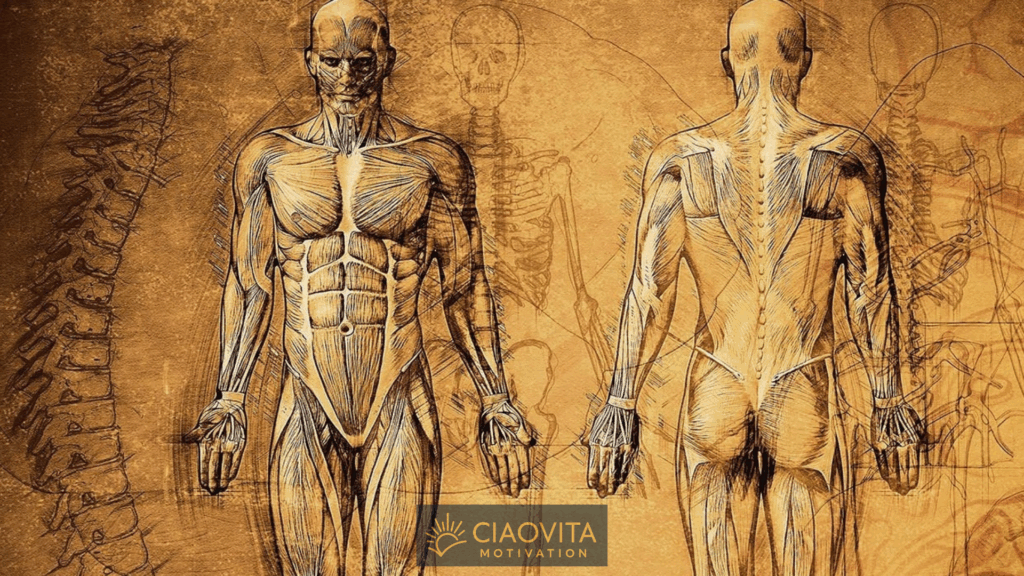
Body Fat Distribution: Genetics, Hormones, and Treatment
Visceral Fat, Aging, Menopause, and Treatment Options
Most people measure health by what they weigh. Doctors do it too — checking BMI, comparing to population charts, flagging anything above 25 kg/m². But two people can weigh exactly the same and carry completely different disease risk. The variable that predicts heart attacks, type 2 diabetes, and early death more accurately than total body weight is not how much fat you have. It is where you carry it.
Body fat distribution — the pattern of how adipose tissue accumulates across body compartments — is shaped by genetics, sex hormones, age, menopausal status, and daily behavior. A 2024 review in Current Cardiology Reports by Khawaja et al. confirmed that visceral fat and hepatic fat are independently associated with cardiometabolic disease, regardless of BMI. A person of normal weight with high visceral fat carries measurable metabolic risk that a standard physical exam will miss.
Understanding each fat distribution pattern — its biological drivers, its clinical prognosis, and the evidence behind treating it — gives patients and clinicians a far more accurate map of metabolic health than any single weight measurement provides. This article draws on more than 10 peer-reviewed studies, including large genome-wide association studies (GWAS), to explain what your fat pattern reveals about your health and what you can actually do about it. For context on how overall obesity prevalence is changing, see current obesity data and projections through 2035.
Why fat location matters more than fat quantity
Adipose tissue is not a passive storage organ. It is metabolically active, releasing hormones, inflammatory signals, and fatty acids that circulate through the body and influence organ function. Fat stored in different locations behaves differently — and those differences translate directly into clinical risk.
Four main patterns define body fat distribution in clinical and research contexts:
- Android distribution (apple-shaped): Fat concentrates in the abdomen, flanks, and upper back. This includes subcutaneous abdominal fat and visceral fat — the fat surrounding the internal organs inside the abdominal cavity. Android distribution is more common in men and in postmenopausal women. It is the highest-risk pattern metabolically.
- Gynoid distribution (pear-shaped): Fat accumulates in the hips, gluteal region, and thighs, primarily as subcutaneous fat. This pattern is driven by estrogen and is more common in premenopausal women. It carries lower metabolic risk than android distribution — though in excess, it adds significant mechanical load to the knees and hips.
- Ectopic fat deposition: Fat deposited where it should not exist in significant quantities — inside the liver, skeletal muscle, heart, and around the joints. This pattern develops when subcutaneous storage capacity is overwhelmed, forcing fat into non-adipose tissue. Ectopic fat strongly links to insulin resistance, non-alcoholic fatty liver disease (NAFLD), and poor post-surgical outcomes.
- Sarcopenic obesity: A simultaneous loss of skeletal muscle mass and accumulation of body fat, including intramuscular fat. This pattern becomes common after age 60. The ESPEN/EASO 2022 international consensus defines it as the coexistence of excess adiposity and low muscle mass and function.
In clinical practice, waist circumference is the most accessible proxy for android risk. According to criteria from the International Diabetes Federation and WHO, a waist above 102 cm in men and 88 cm in women signals elevated cardiometabolic risk — a threshold that catches patients whom BMI alone misses. Understanding how metabolic syndrome connects to these measurements adds important clinical context.
A 2024 review in Current Cardiology Reports by Khawaja et al. confirmed that visceral fat raises risk of insulin resistance, atherogenic dyslipidemia, hypertension, and coronary heart disease — all independently of overall body weight. The effect of hepatic fat on cardiovascular outcomes showed more mixed results in that review, with discordant findings across studies, but its link to metabolic dysfunction remains strong.
The genetic blueprint behind fat distribution
Fat distribution is not random. Genetics account for 30 to 60 percent of where your body stores fat, independent of total body weight. This figure comes from twin studies, including a foundational experiment by Bouchard and colleagues involving 12 pairs of monozygotic twins who were overfed for 84 days. The intraclass correlation for visceral fat accumulation was 0.72 after controlling for covariates — meaning the twins gained fat in almost exactly the same places, regardless of individual differences in diet compliance.
Large-scale genome-wide association studies (GWAS) have made the genetic picture more precise. A 2019 study published in Nature Communications by Winkler et al. analyzed 362,499 individuals from the UK Biobank and identified 98 independent genetic associations with body fat distribution across the arms, legs, and trunk. Thirty-seven of those signals showed stronger effects in women than in men — strong evidence that sex hormones modify gene expression in fat tissue.
An earlier meta-analysis covering nearly 700,000 individuals of European ancestry identified 463 signals in 346 genetic loci associated with waist-to-hip ratio adjusted for BMI. That study found that the 5% of individuals carrying the most fat-distribution risk alleles were 1.62 times more likely to exceed metabolic syndrome waist thresholds than those in the bottom 5% — a clinically meaningful genetic gradient.
The specific genes involved include developmental genes such as TBX15, RSPO3, and KLF14, which influence which body regions preferentially accumulate fat. Adipogenesis genes control how precursor cells differentiate into mature fat cells. Lipid-handling genes determine how fat depots manage storage, release, and lipolysis. The result is a biological baseline that differs between individuals from birth.
Genetics set the starting point. Hormones, aging, behavior, and environment then shift fat distribution on top of that foundation. This interaction explains why identical twins who follow different lifestyles can end up with different fat patterns by midlife. The broader picture of hormonal drivers in midlife is covered in a dedicated article on this site.
Hormones that direct where fat goes
Sex hormones are the primary regulators of fat distribution across the lifespan. Estrogen is the dominant driver of gynoid storage. It promotes fat accumulation in the gluteal-femoral region by upregulating lipoprotein lipase activity in subcutaneous fat there, and it suppresses visceral fat deposition through estrogen receptor activity in visceral adipocytes. Estrogen also activates brown adipose tissue thermogenesis, supporting energy expenditure in premenopausal women.
Testosterone produces the opposite effect. It promotes visceral fat accumulation and inhibits subcutaneous fat expansion. This explains why men develop android distribution patterns at puberty and why women with polycystic ovary syndrome — who have elevated androgens — tend toward abdominal fat storage even in young adulthood. Low testosterone in aging men, paradoxically, is also associated with visceral fat gain, because the ratio of estrogen to testosterone matters, not just absolute testosterone levels.
Cortisol is a third hormonal driver that receives insufficient attention in clinical weight management. Chronic psychological stress raises cortisol, which directly stimulates visceral adipocyte differentiation and fat storage while suppressing fat oxidation. How cortisol links chronic stress to metabolic dysfunction and visceral accumulation is covered in detail in a companion article.
Insulin completes the hormonal picture. Chronic hyperinsulinemia — driven by high processed food intake, sedentary behavior, or insulin resistance — promotes fat storage over fat burning. It preferentially increases fat deposition in visceral depots, accelerating android redistribution. This is why patients with type 2 diabetes who are placed on high-dose insulin therapy frequently report accelerated abdominal weight gain despite stable caloric intake.
⚠️ Clinical Note: Waist circumference measurement should be routine in all metabolic risk assessments, independent of BMI. Men above 102 cm and women above 88 cm carry elevated risk for insulin resistance, cardiovascular disease, and type 2 diabetes — regardless of total body weight. |
Menopause, aging, and the redistribution of fat
The menopausal transition is one of the most significant biological reconfigurations of fat distribution in the human lifespan. It is not a gradual drift. In some women, the shift toward central accumulation begins within months of estrogen decline.
A 2022 cross-sectional study published in Menopause — the journal of the North American Menopause Society — by Gould et al. at the University of North Carolina directly characterized body composition across pre-, peri-, and postmenopausal women. Total fat mass increased and lean mass decreased as estrogen fell, with body composition changes continuing for up to two years after the final menstrual period. Glucose metabolism was also altered in peri- and postmenopausal women, particularly those with overweight or obesity.
A 2025 study in Exploration of Endocrine and Metabolic Disease by Vecchiatto et al. analyzed adipose tissue behavior in postmenopausal women and confirmed that fat redistribution toward the visceral compartment is driven primarily by a higher testosterone-to-estradiol ratio following menopause. This hormonal shift associates with worse adipokine profiles, greater dyslipidemia, and higher insulin resistance — the full metabolic syndrome picture, often in women who had no prior metabolic abnormalities.
A 1997 study in the Journal of Clinical Endocrinology & Metabolism followed postmenopausal women for 12 months without hormone replacement therapy (HRT) and found a significant increase in trunk fat without major changes in total body weight. The fat moved. Women who received HRT showed no increase in trunk fat and maintained bone mineral density. Current evidence from the 2022 NAMS position statement supports HRT as the most effective intervention for menopause-related body composition changes in appropriate candidates without contraindications. A complete guide to hormone therapy timing and options is available for further reading.
Aging affects both sexes in parallel, independent of menopause. After age 50, even men with stable weight accumulate visceral fat as testosterone levels decline and physical activity decreases. Skeletal muscle mass falls at a rate of 1 to 2 percent per year after 50, and intramuscular fat replaces much of that lost tissue. By age 70, many adults have the body composition of someone with metabolic obesity even when their scale weight appears unremarkable.
Android fat and ectopic fat: prognosis and treatment
Android fat distribution — particularly its visceral component — carries the most serious long-term prognosis. The risk list includes type 2 diabetes, cardiovascular disease, hypertension, NAFLD, obstructive sleep apnea, and several cancers. The biological mechanism is direct: visceral adipocytes release pro-inflammatory cytokines (IL-6, TNF-alpha), free fatty acids, and resistin directly into the portal circulation, reaching the liver first and triggering systemic metabolic dysfunction before the signals even reach peripheral tissues.
Ectopic fat compounds this picture. Hepatic fat impairs insulin signaling in the liver, contributing to fasting hyperglycemia even in patients who eat carefully. Intramuscular fat reduces insulin sensitivity in skeletal muscle, the largest glucose-disposal organ in the body. Pericardial fat has been linked to atrial fibrillation and diastolic dysfunction. Periarticular fat at the knee — the infrapatellar fat pad in particular — releases pro-inflammatory mediators that drive osteoarthritis progression.
Treatment for android and ectopic fat follows an evidence-based hierarchy:
- Aerobic exercise targets visceral fat preferentially over subcutaneous fat. Controlled studies show that 150 minutes per week of moderate-intensity aerobic exercise reduces visceral fat area by 6 to 10 percent over 12 weeks, even without significant total weight loss. High-intensity interval training (HIIT) achieves similar or greater visceral fat reductions in shorter training times.
- Caloric restriction accelerates visceral fat loss beyond exercise alone. The body mobilizes visceral fat before subcutaneous fat on a caloric deficit. A daily deficit of 500 to 750 kcal, combined with aerobic exercise, produces the most consistent results in 12-week clinical trials.
- GLP-1 receptor agonists have become the most clinically significant pharmacological tool for visceral fat reduction. A systematic review and meta-analysis published in 2023 found that GLP-1 RAs — including liraglutide and semaglutide — significantly reduced both visceral adipose tissue and hepatic fat content in adults with and without type 2 diabetes, exceeding results from lifestyle intervention alone. A 40-week randomized controlled trial published in The Lancet Diabetes & Endocrinology confirmed meaningful visceral fat reductions with liraglutide 3.0 mg. Full coverage of GLP-1 medications is available in the article on anti-obesity pharmacotherapy on this site.
- SGLT2 inhibitors reduce visceral and hepatic fat in patients with type 2 diabetes, with modest but consistent effects across multiple controlled trials.
- Bariatric surgery — gastric bypass and sleeve gastrectomy — produces the largest and most durable reductions in visceral fat. A 2025 position statement from the International Federation for the Surgery of Obesity confirms that metabolic bariatric surgery remains the most effective long-term intervention for severe visceral obesity, with outcomes that exceed pharmacotherapy in 5-year follow-up data. Indications include BMI above 35 kg/m², or above 30 kg/m² with serious metabolic comorbidities.
Gynoid fat and sarcopenic obesity: prognosis and treatment
The pear-shaped (gynoid) fat pattern carries a notably better metabolic prognosis than android distribution. Subcutaneous gluteofemoral fat is less metabolically active, releases fewer inflammatory cytokines, and may actually protect against insulin resistance by trapping circulating free fatty acids before they reach visceral depots or ectopic sites. Large prospective studies consistently show that high gluteofemoral fat mass is associated with lower — not higher — cardiovascular risk in premenopausal women.
The orthopedic consequences are different. Excess gynoid fat adds mechanical load to the lower limb joints. Knee osteoarthritis and hip osteoarthritis are both more prevalent in individuals with high gluteofemoral fat mass, independent of visceral fat. In orthopedic surgery, high lower-limb fat mass is a known predictor of longer recovery time and greater post-operative pain after knee replacement.
Treatment for excess gynoid fat requires patience and a specific approach. Caloric deficit remains the primary driver of fat loss from all depots, but gynoid fat is highly resistant to mobilization because estrogen receptors in gluteofemoral adipocytes suppress lipolysis. Women on a caloric deficit typically lose proportionally more fat from the abdomen and trunk than from the hips and thighs — a genetically programmed pattern. Resistance training builds the underlying muscle and improves the fat-to-muscle ratio in the lower body without requiring the same volume of fat loss that the scale would suggest.
Sarcopenic obesity represents a clinical problem of growing importance, and its management requires a different approach than either pure obesity or pure sarcopenia.
A 2024 clinical overview in Nature Reviews Endocrinology by Prado et al. confirmed that sarcopenic obesity requires combined exercise, nutrition, and pharmacotherapy. The condition is now formally defined by the ESPEN/EASO 2022 consensus as the coexistence of excess adiposity and low muscle mass or function — a definition that finally gives clinicians a standardized diagnostic framework.
A 2023 review in Frontiers in Endocrinology by Wei et al. established the prognosis clearly: sarcopenic obesity is strongly associated with cardiovascular disease, all-cause mortality, and accelerated development of geriatric syndromes including falls and functional decline. A meta-analysis of 29 randomized controlled trials found that combined exercise and nutritional interventions reduced sarcopenic obesity prevalence significantly, with progressive resistance training as the single most effective component.
A 2022 review in Cells by Zamboni et al. from the University of Verona analyzed the crosstalk between dysfunctional adipocytes and myocytes in aging and found that this bidirectional signaling — through adipokines and myokines — amplifies both muscle loss and fat gain in a self-reinforcing cycle. Understanding this mechanism clarifies why treating sarcopenic obesity requires addressing both components simultaneously.
Current treatment recommendations for sarcopenic obesity:
- Progressive resistance training: 2 to 3 sessions per week with progressive overload. This is the most evidence-supported single intervention. It builds lean mass, reduces intramuscular fat, and improves insulin sensitivity.
- High-protein nutrition: 1.2 to 1.6 g of protein per kg of body weight per day, distributed across meals to optimize muscle protein synthesis. Leucine-rich sources (eggs, dairy, legumes, lean meat) are preferred.
- Aerobic exercise: Added to resistance training to address the fat component. Combined exercise programs outperform single-modality training in most trials.
- Emerging pharmacotherapy: GLP-1 receptor agonists and dual GLP-1/GIP agonists (tirzepatide) reduce adiposity while partially preserving lean mass, though the muscle-sparing effect is still under active investigation. Myostatin inhibitors are in clinical development specifically for sarcopenic populations.
Behavioral factors modify all four fat distribution patterns. Sedentary time independently increases visceral fat accumulation regardless of total caloric intake — even in people who exercise regularly but sit for extended periods. Poor sleep raises cortisol and suppresses growth hormone secretion, both of which accelerate visceral fat gain. Alcohol, even in moderate amounts, preferentially deposits fat in the liver, making hepatic ectopic fat a specific risk for regular drinkers independent of their overall caloric balance.
The bottom line on fat distribution
Body fat distribution is not a cosmetic concern. It is a clinical variable with direct consequences for cardiovascular risk, metabolic function, joint health, and longevity. The pattern that matters most — visceral fat — is not visible on a standard physical exam and does not appear on a scale. Accurate assessment requires waist circumference measurement at minimum, with body composition analysis or imaging for high-risk patients.
Genetics set a baseline that accounts for 30 to 60 percent of fat patterning. Hormones, menopause, aging, sleep quality, cortisol, diet, and physical activity move that baseline continuously. The evidence supports treatment strategies tailored to the specific pattern: aerobic exercise and GLP-1 receptor agonists for visceral fat reduction, resistance training combined with high protein intake for sarcopenic obesity, and hormone therapy evaluation for postmenopausal women experiencing rapid central fat redistribution.
Waist circumference measurement takes under 10 seconds in a clinical visit. A 2024 meta-analysis of 29 randomized controlled trials showed that combined exercise and nutritional interventions produced meaningful improvements in sarcopenic obesity — a condition affecting an estimated 10 to 15 percent of adults over 65 worldwide. Identifying which fat pattern a patient has, and treating it specifically, is one of the highest-yield steps in preventive metabolic medicine.
References
- Khawaja T, Nied M, Wilgor A, Neeland IJ. Impact of visceral and hepatic fat on cardiometabolic health. Curr Cardiol Rep. 2024. doi:10.1007/s11886-024-02127-1.
- Winkler TW, Justice AE, Graff M, et al. Genome-wide association study of body fat distribution identifies adiposity loci and sex-specific genetic effects. Nat Commun. 2019;10(1):339.
- Heid IM, Jackson AU, Randall JC, et al. Meta-analysis identifies 13 new loci associated with waist-hip ratio and reveals sexual dimorphism in the genetic basis of fat distribution. Nat Genet. 2010;42(11):949–60.
- Shungin D, Winkler TW, Croteau-Chonka DC, et al. New genetic loci link adipose and insulin biology to body fat distribution. Nature. 2015;518(7538):187–96.
- Gould LM, Gordon AN, Cabre HE, et al. Metabolic effects of menopause: a cross-sectional characterization of body composition and exercise metabolism. Menopause. 2022;29(4):377–89.
- Vecchiatto B, Castro TL, Ferreira NJR, Evangelista FS. Healthy adipose tissue after menopause: contribution of balanced diet and physical exercise. Explor Endocr Metab Dis. 2025;2:101424.
- Gambacciani M, Ciaponi M, Cappagli B, et al. Body weight, body fat distribution, and hormonal replacement therapy in early postmenopausal women. J Clin Endocrinol Metab. 1997;82(2):414–17.
- Prado CM, Batsis JA, Donini LM, Gonzalez MC, Siervo M. Sarcopenic obesity in older adults: a clinical overview. Nat Rev Endocrinol. 2024;20(5):261–77.
- Zamboni M, Mazzali G, Brunelli A, et al. The role of crosstalk between adipose cells and myocytes in the pathogenesis of sarcopenic obesity in the elderly. Cells. 2022;11(21):3361.
- 10.Wei S, Nguyen TT, Zhang Y, Ryu D, Gariani K. Sarcopenic obesity: epidemiology, pathophysiology, cardiovascular disease, mortality, and management. Front Endocrinol (Lausanne). 2023;14:1185221.
- 11.Neeland IJ, Linge J, Swarbrick C, et al. Visceral fat reduction with liraglutide 3.0 mg vs placebo in adults with obesity: a randomized controlled trial. Lancet Diabetes Endocrinol. 2021;9(8):499–09.
© 2026 Alice & Marcus Guimarães. All rights reserved.This site is proudly created with WordPress.